Lighting Control System Explore Smart Lighting Technology and Energy Management
A lighting control system is a combination of hardware and software used to manage electric lighting within homes, offices, commercial buildings, factories, public spaces, and other environments.
Instead of operating every light only through a conventional wall switch, a control system can adjust lighting according to schedules, occupancy, daylight, activity, or programmed settings.
Traditional lighting systems generally depend on manual switches and fixed circuits. As buildings became larger and electrical systems became more sophisticated, there was a need for more coordinated ways to control groups of lights. Digital controls, sensors, dimmers, timers, and communication networks gradually expanded the possibilities.
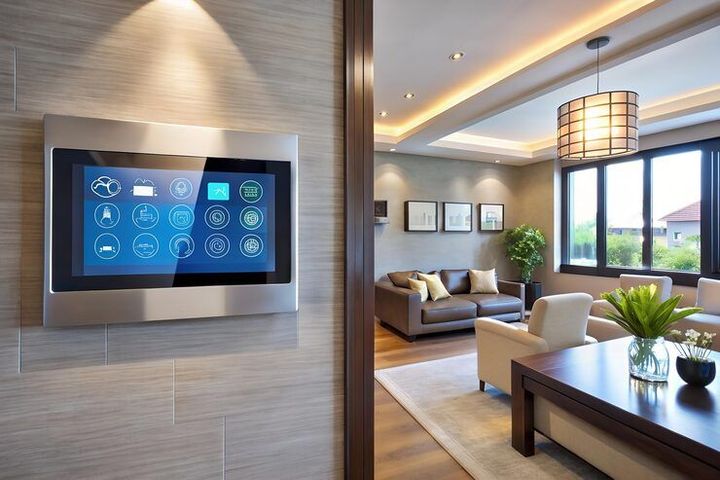
Smart lighting technology adds digital communication to this basic concept. A smart lighting system can connect luminaires, sensors, controllers, switches, and software so that lighting behavior can be adjusted according to defined conditions. Some systems operate locally, while others communicate through building automation networks.
Energy management is another important part of modern lighting control. Lights do not always need to operate at their full output throughout the day. A control system can respond to occupancy or available daylight and adjust lighting accordingly, depending on the building's design and operating requirements.
Main Components of a Lighting Control System
A lighting control system may contain several interconnected components:
Lighting fixtures that produce illumination
Switches for manual control
Dimmers for adjusting light output
Occupancy sensors for detecting activity
Daylight sensors for measuring natural light
Timers for scheduled operation
Central controllers for coordinating devices
Communication networks for exchanging control information
Software interfaces for configuration and monitoring
Smart gateways for connecting different systems
The combination depends on the size and purpose of the building. A small room may use a sensor and dimmer, while a large facility may use hundreds or thousands of connected devices.
How Smart Lighting Technology Works
A smart lighting system generally receives information from sensors, schedules, user commands, or building automation systems. The controller processes this information and sends instructions to connected lighting equipment.
For example, an occupancy sensor can detect movement in a room and signal the lighting system to activate or adjust illumination. A daylight sensor can measure available natural light and allow compatible fixtures to reduce their output when additional artificial light is less necessary.
Some systems allow users to define scenes. A scene is a predefined combination of lighting levels for a particular activity, such as presentation, meeting, cleaning, or general occupancy.
Importance
Lighting control systems matter because lighting is an important part of building operation. Lighting affects visibility, comfort, work environments, security, energy use, and the way spaces are used.
A conventional lighting arrangement may keep entire areas illuminated even when only part of the space is occupied. Automated controls can divide a building into zones and adjust lighting according to actual conditions.
Energy management is particularly relevant in larger facilities. Lighting represents one component of overall electricity use, and controls can help building operators understand when lights are operating and how different areas are being used.
Who Uses Lighting Control Systems?
Lighting controls can be found across many types of buildings and environments, including:
Residential buildings
Offices
Retail buildings
Hotels
Schools
Hospitals
Warehouses
Manufacturing facilities
Parking structures
Public buildings
Outdoor areas
The control requirements differ according to occupancy patterns, building layout, operating hours, lighting technology, and safety requirements.
Occupancy-Based Control
Occupancy sensors allow lighting to respond to whether people are present. Sensors can use technologies such as passive infrared, ultrasonic detection, microwave sensing, or camera-based systems.
When an area becomes unoccupied, a programmed system may switch lights off or reduce their output after a defined period. When activity is detected again, lighting can return to a selected level.
Sensor placement matters. Poor positioning can result in missed detection, unwanted activation, or frequent changes in lighting. Control settings therefore need to account for room size, movement patterns, furniture arrangements, and the sensor technology being used.
Daylight-Based Control
Daylight harvesting uses information about natural light to adjust artificial illumination. A sensor measures the available daylight, and compatible controls can adjust connected fixtures according to programmed settings.
This approach is particularly relevant near windows, skylights, atriums, and other areas with changing natural illumination. The effectiveness of daylight control depends on building orientation, window design, weather conditions, interior surfaces, and fixture placement.
Zoning and Scheduling
Lighting zones divide a building into controllable areas. A zone could represent a single room, a corridor, a floor, an outdoor area, or another defined section.
Scheduling allows lighting to operate according to predetermined times. This can be useful for facilities with predictable operating patterns. More advanced systems can combine schedules with occupancy information, daylight measurements, and manual commands.
Recent Updates
From 2024 through 2026, lighting control systems have continued moving toward connected devices, digital monitoring, wireless communication, sensor integration, and broader building automation. Smart lighting technology is increasingly viewed as part of an interconnected building environment rather than an isolated electrical system.
Connected Lighting
Modern lighting systems can communicate through wired or wireless networks. Connected luminaires and sensors can exchange information with centralized or distributed controllers.
Communication allows operators to configure multiple lighting zones from a common interface. Depending on the system, information can include fixture status, sensor activity, lighting levels, schedules, alarms, and energy-related measurements.
Wireless Controls
Wireless lighting controls can reduce the need for additional control wiring in certain building configurations. Technologies such as Bluetooth-based systems, Wi-Fi, Zigbee-based networks, and other communication protocols can support different types of lighting applications.
Wireless systems still require careful planning. Signal coverage, network security, device compatibility, battery requirements, and interference can influence system performance.
Integration With Building Automation
Lighting control systems are increasingly integrated with broader building automation platforms. A building management system can potentially coordinate lighting with heating, ventilation, air conditioning, access systems, occupancy information, and other building functions.
Integration can provide a more unified view of building operation. It can also create dependencies between systems, making compatible communication protocols and appropriate cybersecurity practices important during planning.
Data and Energy Monitoring
Modern controllers can collect information about lighting operation and energy consumption. Facility operators can use dashboards to examine patterns across rooms, floors, or buildings.
Energy data can help identify areas where lights operate for long periods or where control settings differ from expected schedules. Measurements should be interpreted within the context of building occupancy, lighting design, equipment characteristics, and operating conditions.
Human-Centered Lighting
Some modern systems allow lighting color temperature and intensity to change throughout the day. These approaches are sometimes associated with human-centered or circadian-oriented lighting design.
The purpose can include creating different visual environments for morning, daytime, evening, or specific activities. Such systems should be designed around appropriate illumination requirements rather than assuming that one lighting profile is suitable for every person or environment.
Laws or Policies
Lighting control systems are influenced by electrical regulations, building energy requirements, workplace safety rules, accessibility provisions, fire safety requirements, and equipment standards. The specific requirements depend on the country, building type, installation, and intended use.
Electrical Requirements
Lighting controls are part of an electrical installation and may need to comply with rules concerning wiring, grounding, circuit protection, switching equipment, control panels, and installation practices.
Dimmers, sensors, controllers, and connected fixtures must also be compatible with the electrical characteristics of the lighting equipment. Incorrect combinations can result in flickering, reduced control performance, or equipment problems.
Building Energy Requirements
Many jurisdictions have building energy requirements that address lighting power, automatic controls, occupancy sensing, daylight-responsive controls, or operating schedules.
These requirements can influence the design of new buildings and major renovations. The exact requirements vary by building category and jurisdiction.
Workplace and Accessibility Considerations
Lighting levels can be relevant to workplace visibility, task performance, circulation, and safety. Controls should therefore be designed so that occupants can use spaces appropriately without creating unnecessary changes in illumination.
Accessibility can also influence switch placement, control interfaces, and ease of operation. Building-specific requirements determine the applicable design criteria.
Tools and Resources
Planning a lighting control system involves electrical drawings, lighting layouts, sensor-placement diagrams, control schedules, energy calculations, and equipment specifications.
Lighting design software can model fixture positions and illumination levels. Electrical design platforms can document circuits and control connections, while building automation software can provide system-level monitoring.
Useful resources include:
Lighting layout software
Lighting level calculators
Electrical load worksheets
Sensor placement diagrams
Energy monitoring dashboards
Lighting control schedules
Building automation platforms
Digital floor plans
Equipment specification sheets
Commissioning checklists
Maintenance records
Lighting audit templates
A simplified comparison of common lighting control approaches is shown below:
| Control Method | Main Function | Typical Application |
|---|---|---|
| Manual Switch | Basic on/off operation | Small rooms |
| Dimmer | Adjusts light output | Offices and living areas |
| Occupancy Sensor | Responds to activity | Offices and corridors |
| Daylight Sensor | Responds to natural light | Window-side areas |
| Timer | Operates according to schedule | Exterior and common areas |
| Central Controller | Coordinates multiple zones | Large buildings |
| Smart Network | Connects lighting devices | Connected facilities |
Energy Management Tools
Energy management platforms can combine lighting information with broader electricity data. They may show operating patterns, consumption measurements, schedules, and equipment status.
A lighting audit can also document existing fixtures, operating hours, control methods, room occupancy, and lighting conditions. This information can help create a clearer picture of how a building's lighting infrastructure currently operates.
Commissioning and Maintenance
Commissioning verifies whether a lighting control system operates according to its intended configuration. It can include checking sensor coverage, schedules, dimming ranges, scene settings, emergency operation, and communication between devices.
Maintenance can include sensor inspection, controller checks, firmware management where applicable, fixture inspection, and review of control settings. Documentation helps facility teams understand how the system has been configured.
FAQs
What is a lighting control system?
A lighting control system is a combination of switches, sensors, controllers, dimmers, communication equipment, and software used to manage lighting. It can control individual fixtures or groups of fixtures according to defined conditions.
How does smart lighting technology work?
Smart lighting technology connects lighting equipment with sensors, controllers, software, or communication networks. The system can adjust lighting based on occupancy, daylight, schedules, user commands, or programmed scenes.
How can lighting control support energy management?
Lighting controls can reduce unnecessary operation by responding to occupancy, daylight, schedules, or selected lighting levels. Monitoring systems can also provide information about operating patterns and electricity use.
What sensors are used in lighting control systems?
Common sensors include occupancy sensors, daylight sensors, motion detectors, and environmental sensors. Different technologies are selected according to room characteristics and the type of information needed by the control system.
Can lighting controls connect to building automation?
Yes. Compatible lighting systems can communicate with building automation platforms through suitable wired or wireless protocols. Integration can allow lighting information to be coordinated with other building systems.
Conclusion
Lighting control systems combine fixtures, sensors, controllers, switches, communication networks, and software to manage illumination across different spaces. Smart lighting technology can respond to occupancy, daylight, schedules, and programmed settings while providing information for energy management. Recent developments include connected controls, wireless systems, digital monitoring, building automation integration, and adjustable lighting environments. Electrical rules, building requirements, workplace considerations, and system compatibility all influence the design and operation of lighting controls.