Medical Gas Pipeline Systems Information With Gas Distribution and Healthcare Infrastructure
Medical gas pipeline systems are an essential part of modern healthcare infrastructure. They provide a central method for distributing medical gases, compressed air, and vacuum throughout hospitals, clinics, operating rooms, intensive care units, and other patient treatment areas.
These systems connect central gas storage or generation equipment to designated outlets near hospital beds and medical equipment.
Before centralized pipeline networks became common, healthcare facilities relied heavily on individual gas cylinders and portable equipment. Although cylinders remain important for emergency and mobile applications, larger healthcare buildings require a more organized distribution arrangement. Medical gas pipeline systems developed to address this requirement by connecting multiple patient care areas to centralized supply sources.
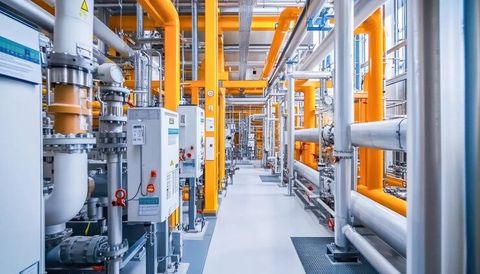
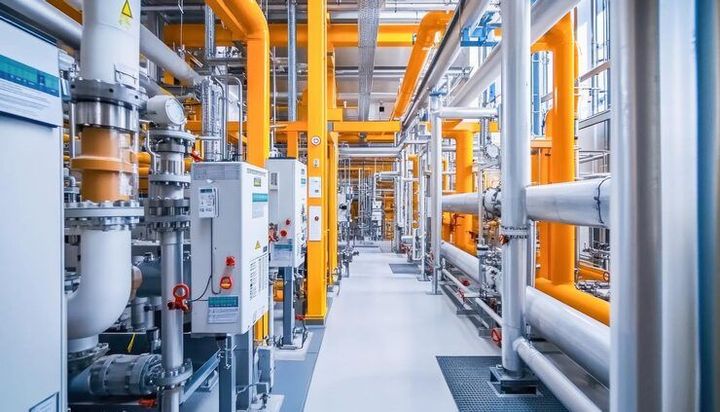
The system generally includes several interconnected components, such as gas storage tanks, cylinder manifolds, compressors, pressure regulators, copper pipelines, isolation valves, monitoring equipment, and terminal outlets. Each component performs a specific function to maintain an appropriate gas supply throughout the facility.
What Are Medical Gas Pipeline Systems?
Medical gas pipeline systems are permanent distribution networks designed to transport designated medical gases from a central supply point to specific locations within healthcare buildings. Their design considers gas purity, operating pressure, pipeline capacity, and patient safety.
Commonly distributed gases and related systems include:
Medical oxygen: Used in respiratory support and other clinical applications.
Medical air: Supplies appropriately prepared compressed air for respiratory equipment and other clinical purposes.
Nitrous oxide: Used in certain anaesthesia applications.
Carbon dioxide: Used in selected surgical and medical procedures.
Nitrogen: Supports specific medical equipment and surgical applications.
Medical vacuum: Provides suction for removing fluids and other materials during clinical procedures.
Anaesthetic gas scavenging: Collects and removes waste anaesthetic gases from designated areas.
Not every healthcare facility requires every gas. The distribution arrangement depends on clinical activities, building design, and applicable healthcare regulations.
Main Components of a Medical Gas Distribution System
A medical gas distribution system combines several technical elements to maintain controlled delivery.
1. Central supply source: May include liquid oxygen storage tanks, compressed gas cylinders, oxygen generation plants, or dedicated compressor systems.
2. Pipeline network: Usually consists of appropriately specified copper tubing designed for medical gas applications.
3. Pressure regulation equipment: Controls gas pressure before distribution through the pipeline network.
4. Zone isolation valves: Allow designated pipeline sections to be isolated during maintenance or emergency situations.
5. Terminal outlets: Provide connection points for compatible medical equipment near patient beds and treatment stations.
6. Alarm and monitoring panels: Display operating conditions and alert designated personnel when abnormal conditions occur.
These components operate together to support organized gas distribution across different hospital departments.
Importance
Medical gas pipeline systems matter because hospitals depend on reliable access to essential gases during routine treatment, emergency care, surgery, and intensive monitoring. A properly planned distribution network reduces dependence on moving individual cylinders between departments and supports more organized hospital operations.
The importance of medical gas infrastructure became particularly visible during periods of increased respiratory care demand. Healthcare facilities needed adequate oxygen generation, storage capacity, distribution pipelines, and monitoring arrangements to support changing patient requirements.
Who Depends on Medical Gas Infrastructure?
Several groups within healthcare environments depend on these systems.
Patients: Receive prescribed medical gases through compatible equipment connected to designated outlets.
Doctors and nurses: Use centralized gas outlets during clinical procedures and patient monitoring.
Anaesthesia teams: Depend on designated gases and related equipment in operating rooms.
Hospital engineering departments: Monitor pipeline conditions, pressure levels, alarms, and maintenance activities.
Healthcare administrators: Coordinate infrastructure planning, capacity management, and regulatory compliance.
Problems Addressed by Centralized Gas Distribution
A medical gas pipeline network addresses several operational challenges.
Reduced cylinder movement: Centralized distribution reduces the need to transport individual cylinders between different patient care areas.
Organized gas availability: Designated outlets make medical gases accessible in planned treatment locations.
Pressure management: Regulation equipment helps maintain the required operating pressure within the distribution network.
Emergency monitoring: Alarm panels can alert personnel to pressure abnormalities, supply interruptions, or other system conditions.
Infrastructure coordination: Centralized supply arrangements allow healthcare facilities to plan gas distribution according to building layouts and clinical requirements.
Medical Gas Pipeline Applications Across Healthcare Facilities
Medical gas distribution systems support different departments depending on their clinical requirements.
Healthcare area | Typical gas infrastructure |
|---|---|
Intensive care units | Oxygen, medical air, vacuum |
Operating theatres | Oxygen, medical air, vacuum, selected anaesthetic gases |
Emergency departments | Oxygen, medical air, vacuum |
Recovery rooms | Oxygen, medical air, vacuum |
Patient wards | Oxygen and selected vacuum outlets |
Diagnostic departments | Gas connections according to equipment requirements |
Dental treatment rooms | Medical air and vacuum arrangements |
The actual configuration varies according to the facility's clinical activities, equipment, and applicable regulations.
Recent Updates
Medical gas pipeline technology continues to develop through improvements in system design, oxygen generation, monitoring equipment, infrastructure planning, and safety management. Developments between 2024 and 2026 have placed additional attention on healthcare oxygen infrastructure and the integration of different supply technologies.
Improvements in Oxygen Generation and Distribution
Healthcare facilities are increasingly evaluating different oxygen supply arrangements, including liquid oxygen storage, cylinder manifolds, and pressure swing adsorption (PSA) oxygen generation plants.
PSA technology separates oxygen from atmospheric air through specialized adsorption materials. It allows suitably designed facilities to generate oxygen on-site, subject to applicable medical gas quality requirements and regulatory controls.
The World Health Organization published updated technical specifications for health facility-based medical oxygen systems in 2024. The publication addresses oxygen sources, storage, distribution equipment, and safety considerations.
Digital Monitoring and Alarm Technology
Modern medical gas infrastructure increasingly incorporates electronic monitoring and centralized alarm panels.
These technologies can help engineering personnel monitor:
Pipeline pressure levels.
Central supply conditions.
Oxygen storage status.
Compressor operating conditions.
Equipment faults.
Emergency alarm notifications.
Some facilities also integrate monitoring equipment with building management systems. However, integration must preserve the independent safety functions required for medical gas monitoring.
Updated International Technical Standards
The international standard ISO 7396-1 is undergoing a major revision in its fourth edition during 2026. The revised document introduces additional clarification around supply systems, compressors, oxygen concentrators, testing, and system documentation.
The revision also reflects practical lessons from healthcare facilities that experienced capacity and infrastructure limitations during periods of increased oxygen demand.
Greater Attention to Infrastructure Capacity
Hospital planners are increasingly considering future expansion, changing patient requirements, and the capacity of existing pipelines.
Important planning considerations include:
Expected patient demand.
Simultaneous gas consumption.
Pipeline pressure losses.
Backup supply arrangements.
Future hospital expansion.
Equipment replacement and maintenance requirements.
These considerations help facilities evaluate whether existing medical gas infrastructure remains appropriate for their operational needs.
Laws or Policies
Medical gas pipeline systems are influenced by healthcare infrastructure regulations, medical device requirements, building safety provisions, fire protection rules, and technical standards. The exact requirements differ between countries and may also vary according to the type of healthcare facility.
International standards provide technical guidance, while national regulatory authorities establish the applicable legal requirements.
International Standards for Medical Gas Pipeline Systems
ISO 7396-1 is an important international reference covering medical gas pipeline systems for compressed medical gases and vacuum.
Its technical scope includes:
Pipeline system design and installation.
Gas supply arrangements.
Monitoring and alarm systems.
Component compatibility.
Testing and commissioning.
Technical documentation.
ISO 7396-2 addresses anaesthetic gas scavenging disposal systems.
Healthcare Facility Safety Requirements
In the United States, NFPA 99, known as the Health Care Facilities Code, includes provisions covering medical gas and vacuum systems. Its requirements address installation, testing, inspection, and maintenance.
The US Food and Drug Administration also recognizes NFPA 99:2024 as a consensus standard in its medical device standards framework.
In the United Kingdom, Health Technical Memorandum 02-01 provides guidance concerning medical gas pipeline design, installation, validation, verification, and operational management. An updated edition was published in 2026.
Regulatory Considerations Across Countries
Healthcare facilities generally need to consider the following regulatory areas:
Approved materials for medical gas pipelines.
Medical gas purity and quality requirements.
Equipment certification and compatibility.
Fire prevention and oxygen safety.
Installation testing and commissioning.
Maintenance records and inspection procedures.
Staff training and emergency procedures.
Compliance should be assessed against the current national regulations and technical standards applicable to the particular facility.
Tools and Resources
Medical gas pipeline planning involves engineering documentation, pressure calculations, monitoring equipment, and technical reference materials. These resources help healthcare infrastructure teams understand system requirements and maintain appropriate operating arrangements.
Engineering and Planning Tools
Pipeline design software: Computer-aided design applications help engineers prepare pipeline layouts, identify distribution routes, and coordinate medical gas outlets with hospital floor plans.
Pressure calculation tools: Engineering calculation applications help assess pressure drops, pipeline dimensions, and expected gas flow under specified operating conditions.
Gas monitoring panels: Electronic monitoring equipment displays pressure conditions, supply status, and alarm information.
Maintenance management platforms: Digital maintenance systems help organize inspection schedules, equipment records, repair histories, and testing documentation.
Building information modelling: BIM platforms allow engineering teams to coordinate medical gas pipelines with electrical, ventilation, plumbing, and structural building systems.
Technical Reference Materials
Several technical resources help explain medical gas infrastructure requirements.
ISO 7396-1: International guidance for compressed medical gas and vacuum pipeline systems.
ISO 7396-2: Technical requirements for anaesthetic gas scavenging disposal systems.
NFPA 99: Healthcare facility requirements, including medical gas and vacuum infrastructure.
WHO oxygen publications: Technical information about oxygen sources, storage, distribution, and healthcare facility requirements.
HTM 02-01: Guidance for medical gas pipeline infrastructure and operational management in the UK.
These resources provide technical background for healthcare planners, facility engineers, maintenance personnel, and infrastructure professionals.
FAQs
What Are Medical Gas Pipeline Systems Used For?
Medical gas pipeline systems distribute oxygen, medical air, selected anaesthetic gases, and vacuum throughout healthcare facilities. They connect central supply equipment to designated outlets in patient treatment areas.
Which Materials Are Used in Medical Gas Pipeline Installation?
Medical gas pipelines commonly use specially specified copper tubing. Materials, fittings, joining methods, and cleanliness requirements must comply with the applicable technical standards and installation specifications.
How Does a Hospital Oxygen Distribution System Work?
A hospital oxygen distribution system receives oxygen from a central source, such as a liquid oxygen tank, cylinder manifold, or approved generation plant. Pressure regulation equipment controls the supply before oxygen travels through pipelines to designated terminal outlets.
What Are the Main Components of a Medical Gas Pipeline System?
The main components include central gas sources, storage equipment, manifolds, compressors where required, pressure regulators, copper pipelines, isolation valves, terminal outlets, and monitoring alarms.
Which Standards Apply to Medical Gas Pipeline Systems?
ISO 7396-1 provides international technical requirements for compressed medical gas and vacuum pipeline systems. Other applicable standards include NFPA 99 in the United States and HTM 02-01 in the United Kingdom. National regulations determine the requirements applicable to individual healthcare facilities.
Conclusion
Medical gas pipeline systems form an important part of healthcare infrastructure by connecting centralized gas supplies with designated patient treatment areas. Their performance depends on appropriate pipeline design, gas quality, pressure regulation, monitoring equipment, and regular maintenance. Developments in oxygen generation, digital monitoring, and international technical standards continue to influence medical gas distribution planning. Understanding these systems provides useful background on the infrastructure that supports modern hospitals and healthcare facilities.