Health Programs For Adults Tips for Building Healthy Routines and Supporting Wellness
Health programs for adults are organized approaches that support physical activity, balanced nutrition, preventive care, mental wellbeing, healthy sleep, and other everyday habits.
provided through healthcare systems, workplaces, community organizations, educational institutions, fitness programs, or digital platforms. Their purpose varies, but many programs focus on helping adults understand health information and develop sustainable routines.
A healthy routine does not consist of one activity. It usually involves several connected behaviors, including regular movement, nutritious food choices, sufficient sleep, preventive checkups, stress management, social connection, and avoidance of harmful habits. The appropriate combination depends on age, physical condition, lifestyle, cultural background, and individual circumstances.
Health programs for adults have developed as public health systems have placed greater attention on prevention and long-term wellbeing. Instead of focusing only on illness after it occurs, preventive approaches also examine factors that influence health before a problem develops.
Modern adult wellness programs may use personal health assessments, activity tracking, nutrition education, group sessions, digital tools, health screenings, and educational resources. A program can be highly structured or simply provide information that helps participants organize daily habits.
Main Areas of Adult Wellness
Adult health programs commonly address several areas:
Physical activity and movement
Balanced eating patterns
Sleep routines
Preventive health checks
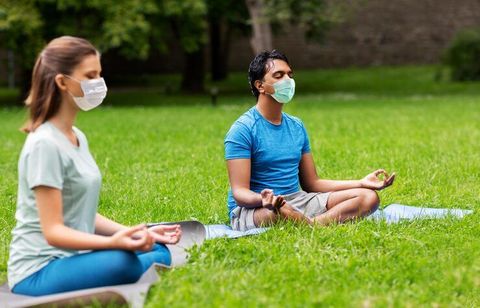
Mental and emotional wellbeing
Tobacco and alcohol risk reduction
Social connection
Healthy weight management
Stress management
Health education
These areas overlap. For example, regular physical activity can support physical and mental wellbeing, while adequate sleep can influence energy, concentration, and daily activity patterns.
Building a Practical Routine
A healthy routine generally works better when it fits into ordinary daily life. Small changes can include walking during routine activities, adding vegetables or legumes to meals, establishing regular sleep and wake times, and setting reminders for preventive appointments.
Adults can organize routines around existing activities rather than treating wellness as a separate task. For example, walking during a commute, taking movement breaks during prolonged sitting, or preparing meals in advance can integrate healthy behaviors into an established schedule.
Importance
Health programs for adults matter because many health-related behaviors develop through repeated daily choices. Public health guidance emphasizes physical activity, nutritious eating, preventive care, and other behaviors as important components of long-term wellbeing.
The topic affects adults across different ages and lifestyles. Office workers may spend long periods sitting, while shift workers may have irregular sleep patterns. Older adults may need routines that include balance and strength activities, while younger adults may focus on establishing consistent habits.
Physical Activity
The World Health Organization recommends that adults aged 18–64 undertake at least 150 minutes of moderate-intensity aerobic activity per week, or 75 minutes of vigorous activity, or an equivalent combination. It also recommends muscle-strengthening activities involving major muscle groups on at least two days each week.
Physical activity does not have to occur entirely through formal exercise. Walking, cycling, household activities, recreational movement, and other forms of daily movement can contribute to overall activity.
For adults who are currently inactive, gradually increasing activity can be more practical than making a sudden major change. People with medical conditions or specific physical limitations may need individualized guidance from an appropriate healthcare professional.
Nutrition and Healthy Eating
Healthy eating patterns are another foundation of adult wellness. WHO and FAO guidance describes healthy diets around principles including adequacy, balance, moderation, and diversity. The precise foods used to achieve these principles can vary according to culture, availability, personal circumstances, and dietary preferences.
A balanced routine can include a variety of vegetables, fruits, whole grains or other minimally processed carbohydrate sources, legumes, nuts and seeds, and appropriate protein sources. Limiting excessive amounts of salt, free sugars, unhealthy fats, and highly processed foods can also form part of general healthy-diet guidance.
Sleep and Recovery
Sleep is another important component of a healthy routine. Consistent sleep and wake times, a suitable sleeping environment, and reduced disruption before bedtime can help establish regular patterns.
Adults have different sleep requirements and circumstances. Persistent sleep difficulties, significant daytime sleepiness, or other ongoing concerns may require assessment by a healthcare professional rather than relying only on lifestyle changes.
Preventive Care
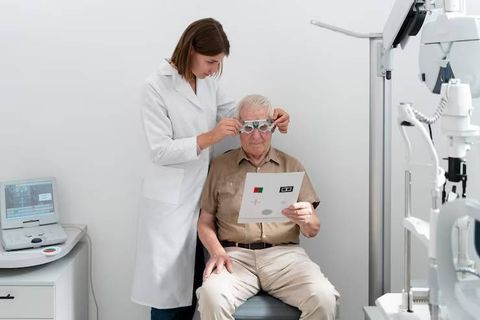
Preventive care includes routine health checks, vaccinations, screening tests, dental care, and discussions about personal and family health history. The appropriate schedule varies according to age, sex, medical history, risk factors, and local healthcare guidance.
For example, the CDC's current adult preventive-care information emphasizes routine checkups and screening as part of maintaining health and identifying some conditions early.
Recent Updates
From 2024 through 2026, adult wellness guidance has continued to emphasize integrated approaches that combine nutrition, physical activity, preventive care, and behavior change. Digital health tools have also become increasingly common for tracking activity, food intake, sleep, and other routine measures.
Digital Health Programs
Health applications and wearable devices can record information such as daily steps, exercise sessions, heart rate, sleep duration, and other measurements. These tools can help users observe patterns over time, although consumer measurements may not be equivalent to clinical assessments.
Digital programs can also provide reminders, educational material, activity plans, food records, and communication with healthcare professionals where appropriate. Privacy, data security, accuracy, and the qualifications of people providing health information are important considerations.
Nutrition Guidance
Recent international guidance continues to emphasize dietary diversity and minimally processed foods. WHO's current healthy-diet guidance describes adequacy, balance, moderation, and diversity as core principles and recognizes that healthy dietary patterns vary according to culture and individual circumstances.
This approach places greater emphasis on overall dietary patterns rather than a single food, ingredient, or restrictive eating method.
Integrated Wellness Programs
Adult health programs increasingly combine several areas rather than treating physical activity, nutrition, sleep, and preventive care as completely separate subjects. An integrated approach can include educational sessions, physical activity planning, nutrition information, health screening, and behavior tracking.
Programs may also account for accessibility and individual circumstances. WHO guidance recognizes physical activity across different ages and abilities, including adults living with chronic conditions or disabilities.
Preventive Health Updates
Preventive recommendations can change as health authorities review evidence. Vaccination schedules, screening recommendations, and other preventive guidance may be updated according to age, risk factors, health conditions, and emerging evidence.
For example, the CDC's adult immunization schedule was updated during 2025 and organizes recommendations according to age and individual medical circumstances.
Laws or Policies
Health programs for adults are influenced by public health policies, healthcare regulations, workplace requirements, privacy laws, food regulations, and preventive-care frameworks. The exact rules depend on the country, healthcare system, program provider, and type of activity.
Public Health Programs
Governments and public health organizations may develop programs addressing physical activity, nutrition, vaccination, screening, tobacco prevention, healthy aging, and chronic-disease prevention.
WHO's Global Action Plan on Physical Activity provides a framework for governments and other sectors to create environments that support physical activity. Its approach includes areas such as transportation, urban planning, sport, education, and health.
Health Information and Privacy
Digital wellness programs can collect sensitive information about activity, sleep, nutrition, or other personal health-related measurements. Privacy requirements may govern how such information is collected, stored, processed, and shared.
The applicable rules vary by jurisdiction and by whether a platform is operating as a healthcare provider, employer program, consumer application, or another type of organization.
Workplace Wellness
Some organizations operate workplace wellness programs that include health education, physical activity initiatives, ergonomic information, or preventive-care awareness. Workplace programs may be subject to employment, privacy, accessibility, and occupational health requirements.
Participation conditions and data practices should be clearly explained, particularly when personal health information is involved.
Tools and Resources
A range of tools can support adult wellness planning. Activity trackers can record movement, while calendars and reminders can help organize exercise sessions, health appointments, sleep routines, and other recurring activities.
Food-planning worksheets can help users organize meals and monitor dietary variety. Sleep logs can record bedtime, wake time, and perceived sleep quality, while habit trackers can show whether specific routines are being followed consistently.
Useful resources include:
Physical activity guidelines
Health screening schedules
Vaccination schedules
Nutrition planning templates
Activity trackers
Sleep logs
Habit-tracking applications
Health appointment calendars
Food composition databases
Step counters
Exercise planning tools
Health education materials
A simple framework for organizing an adult wellness routine is shown below:
| Wellness Area | Routine Example | Tracking Method |
|---|---|---|
| Physical activity | Walking and strength exercises | Activity log |
| Nutrition | Varied meals with minimally processed foods | Meal record |
| Sleep | Consistent sleep and wake schedule | Sleep diary |
| Preventive care | Scheduled health checks | Calendar |
| Mental wellbeing | Relaxation or mindfulness periods | Habit tracker |
| Social wellbeing | Regular contact with family or community | Personal schedule |
| Health education | Reviewing reliable health information | Learning log |
Setting Realistic Goals
Health goals are more useful when they are specific and measurable. Instead of creating many simultaneous changes, an adult may track one or two behaviors and gradually introduce additional routines.
A habit tracker can record whether an activity occurred without turning the record into a judgment about health. The purpose is to understand patterns and identify practical adjustments.
Using Health Information Carefully
Online health information varies in quality. Government health agencies, recognized public health organizations, medical institutions, and qualified healthcare professionals can provide information grounded in established evidence.
General wellness resources should not replace individualized medical assessment. People with symptoms, diagnosed conditions, pregnancy-related considerations, medication questions, or significant health concerns may need advice from an appropriately qualified healthcare professional.
FAQs
What are health programs for adults?
Health programs for adults are organized approaches that support areas such as physical activity, nutrition, preventive care, sleep, mental wellbeing, health education, and healthy daily routines.
What should a healthy adult routine include?
A general routine can include regular physical activity, varied nutritious foods, adequate sleep, preventive healthcare, social connection, stress-management activities, and avoidance of harmful health behaviors. Individual needs vary.
How much physical activity should adults get?
WHO recommends at least 150 minutes of moderate-intensity aerobic activity or 75 minutes of vigorous activity each week for adults aged 18–64, together with muscle-strengthening activities on at least two days per week.
What role does nutrition play in adult wellness programs?
Nutrition programs generally focus on dietary variety, balance, adequacy, and moderation. Healthy dietary patterns can include vegetables, fruits, whole grains, legumes, and other nutritious foods while limiting excessive salt, free sugars, and unhealthy fats.
Are adult health programs a substitute for medical care?
No. General wellness programs provide education and routine-building support, but they do not replace medical diagnosis or individualized treatment. Preventive appointments and professional assessment remain relevant when specific health concerns arise.
Conclusion
Health programs for adults bring together physical activity, nutrition, sleep, preventive care, mental wellbeing, and other habits that contribute to everyday wellness. Current guidance emphasizes regular movement, varied diets, preventive health measures, and routines that can fit individual circumstances. Digital tracking and integrated wellness programs are also becoming more common, although personal health information needs appropriate privacy protection. Specific health decisions should account for individual circumstances and applicable professional guidance.

You May Also Like