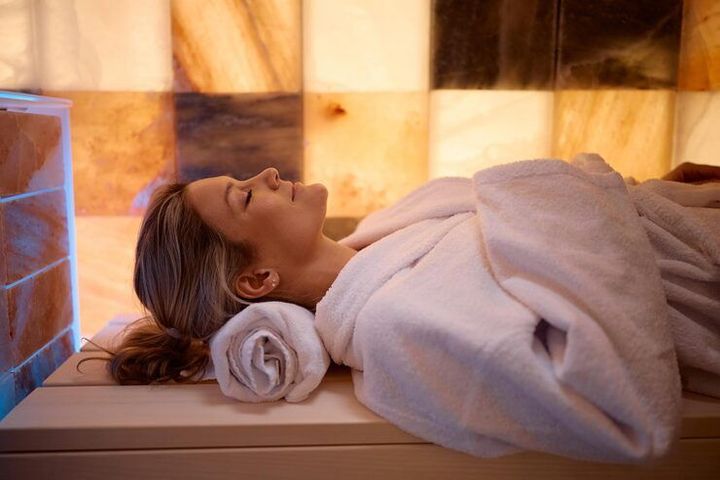
Spa Sauna Benefits Basics of Sauna Heat Exposure Relaxation and Personal Wellness
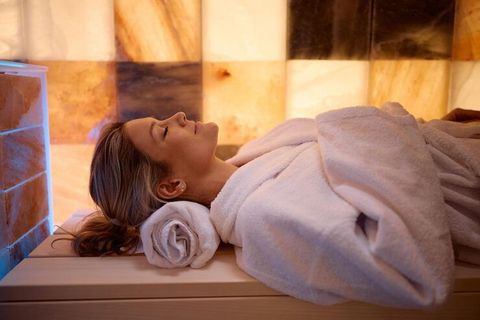
Spa sauna experiences combine controlled heat exposure with periods of rest and relaxation. A sauna is generally an enclosed space heated to create a warm environment, while spa facilities may incorporate saunas alongside bathing areas, massage rooms, steam rooms, relaxation spaces, pools, and other wellness activities.
Sauna traditions have existed for centuries in different cultures, with distinct approaches to heat, humidity, bathing, and relaxation.
Traditional sauna environments commonly use dry heat, while steam rooms create a much more humid atmosphere. Infrared sauna systems use infrared energy to warm the body and surrounding environment differently from conventional heated-air saunas. These approaches should not be treated as identical because temperature, humidity, heating method, and individual experience can vary.
Sauna heat exposure causes the body to respond to a warmer environment. Skin temperature rises, blood vessels near the skin can widen, and sweating increases as the body attempts to regulate its temperature. Heart rate can also change during heat exposure.
Many people use sauna sessions as part of a personal wellness routine because they provide a dedicated period away from daily activities. The experience may include quiet sitting, relaxation, controlled breathing, and time away from screens or other distractions.
Types of Sauna Environments
Several sauna formats are commonly encountered. Traditional dry saunas use heated surfaces or equipment to raise the temperature of the room while maintaining relatively low humidity. Some traditional environments introduce limited amounts of water onto heated stones, creating temporary increases in humidity.
Steam rooms use heated water vapor and therefore have much higher humidity. Infrared saunas use infrared emitters rather than relying primarily on heating the surrounding air.
A simple comparison is:
Traditional sauna: Primarily dry heat with controlled humidity
Steam room: Warm, highly humid environment
Infrared sauna: Infrared energy used for heating
Spa relaxation area: Lower-temperature environment designed for rest between activities
The experience can differ significantly between these environments.
Importance
Sauna use is relevant to personal wellness because it creates a structured period of heat exposure and relaxation. People may use a sauna after physical activity, during a spa visit, or as part of a regular relaxation routine.
Heat exposure also places physiological demands on the body. Sweating increases fluid loss, heart rate may rise, and blood pressure can change temporarily. Understanding these responses helps explain why sauna use should be approached as a heat-exposure activity rather than simply a passive relaxation space.
Relaxation and Personal Wellness
A sauna session can create an environment with fewer external distractions. Sitting quietly in a warm room may provide an opportunity to slow down, practice controlled breathing, or simply rest.
Relaxation is subjective, and individual responses vary. Some people find heat calming, while others may find high temperatures uncomfortable. Personal wellness routines can therefore include different levels and forms of relaxation.
Sauna use can also be combined with other low-intensity wellness activities, such as:
Quiet rest
Gentle breathing exercises
Stretching outside the sauna
Hydration
Calm music
Reading in an appropriate relaxation area
Time away from digital devices
Sauna Heat Exposure
Heat exposure affects the body's temperature-regulation mechanisms. Sweating helps release heat from the body as moisture evaporates from the skin, although high humidity can reduce the effectiveness of evaporation.
Blood vessels near the skin can widen during heat exposure, increasing blood flow toward the body's surface. Heart rate may rise as the cardiovascular system responds to the warmer environment.
These responses are normal physiological reactions, but they also mean that sauna use is not suitable for everyone. People with certain medical conditions, those who are pregnant, people taking particular medications, or anyone who has been advised to limit heat exposure should seek appropriate medical guidance before using a sauna.
Hydration
Sweating results in fluid loss. Drinking appropriate amounts of water before and after heat exposure can help maintain normal hydration.
Alcohol can increase dehydration and impair judgment, making it inappropriate to combine with sauna heat exposure. Individuals should also pay attention to symptoms such as dizziness, weakness, nausea, headache, unusual confusion, or feeling faint.
If concerning symptoms develop, leaving the heated environment and seeking appropriate assistance is important.
Personal Wellness Routines
Sauna use is sometimes included in broader routines involving physical activity, sleep, relaxation, and stress management. It should be considered one component rather than a replacement for balanced nutrition, regular movement, adequate sleep, or appropriate medical care.
The duration and intensity of a sauna session can influence how the body responds. People new to heat exposure may prefer shorter periods and gradual familiarity rather than prolonged exposure.
Recent Updates
From 2024 through 2026, interest in sauna use has continued alongside broader consumer interest in wellness, recovery, relaxation, and home-based health routines. Sauna environments are increasingly discussed together with fitness facilities, spa settings, recovery spaces, and personal wellness programs.
Sauna and Wellness Technology
Modern sauna systems can include digital temperature controls, timers, lighting systems, ventilation monitoring, and remote control functions. These technologies allow users or facility operators to monitor selected environmental conditions.
Some systems also combine sauna spaces with sound, lighting, and relaxation features. These additions change the user experience without changing the fundamental principle of controlled heat exposure.
Infrared Sauna Interest
Infrared sauna systems remain a distinct category within the broader sauna market. Instead of primarily heating the surrounding air, infrared systems use emitters designed to transfer infrared energy toward the body and nearby surfaces.
Research into infrared heat exposure continues, but claims about specific medical outcomes should be interpreted carefully. Sauna use is generally discussed as a wellness activity rather than a substitute for medical treatment.
Sauna Design and Energy Management
Sauna construction has also incorporated greater attention to insulation, ventilation, temperature control, and energy management. Proper insulation can help maintain the desired environment while reducing unnecessary heat loss.
Commercial spa facilities may use automated controls to manage operating periods, ventilation, lighting, and temperature. Residential systems can use programmable controls for scheduled operation.
Recovery and Fitness Settings
Saunas are increasingly present in fitness centers and recovery-oriented spaces. People may use them after exercise as part of a relaxation routine.
However, exercise already raises body temperature and causes fluid loss. Combining strenuous exercise with immediate prolonged heat exposure can increase thermal and hydration demands, so personal tolerance and appropriate recovery practices remain important.
Laws or Policies
Spa and sauna facilities can be affected by building regulations, electrical safety requirements, ventilation standards, fire protection rules, public-health provisions, accessibility requirements, and workplace regulations. The specific requirements depend on the country and type of facility.
Building and Electrical Safety
Sauna heaters and infrared systems use electrical or other energy sources that require appropriate installation. Electrical systems may need protection against moisture, heat, and other environmental conditions.
Building rules can address ventilation, emergency access, structural materials, fire safety, and occupancy. Sauna construction materials also need to be appropriate for the temperatures and humidity levels involved.
Public Spa Requirements
Commercial spa facilities may have additional requirements concerning hygiene, cleaning, water systems, changing areas, ventilation, emergency procedures, and facility maintenance.
Pools, hot-water systems, and other wet areas can be subject to separate public-health requirements. Sauna areas may also have operating procedures concerning temperature monitoring and emergency response.
Health and Safety Information
Facilities may provide notices explaining heat exposure, hydration, time limits, contraindications, and emergency procedures. Such information is intended to help users understand the environment before entering.
Sauna use should not be presented as a treatment for disease unless the activity is part of an appropriately regulated medical setting and supported by applicable evidence and professional oversight.
Tools and Resources
Several tools can help users understand and manage sauna environments. Digital thermometers can measure room temperature, while humidity meters can help distinguish dry sauna conditions from more humid environments.
Timers can help users keep track of session duration. Hydration tracking applications can also help monitor fluid intake as part of a broader personal routine.
Useful resources include:
Digital sauna thermometers
Humidity meters
Session timers
Sauna maintenance checklists
Ventilation inspection guides
Hydration tracking applications
Personal wellness journals
Facility cleaning schedules
Sauna operating manuals
Temperature monitoring systems
Emergency procedure checklists
A general comparison of heat environments is shown below:
| Environment | Main Heat Method | Humidity | Typical Purpose |
|---|---|---|---|
| Traditional Sauna | Heated air and surfaces | Generally low | Heat exposure and relaxation |
| Steam Room | Water vapor | High | Warm humid relaxation |
| Infrared Sauna | Infrared emitters | Generally low | Infrared heat exposure |
| Warm Relaxation Room | Ambient heating | Variable | Rest between activities |
Actual temperatures and humidity levels vary by facility and equipment, so the table should be viewed as a general description rather than an operating specification.
Sauna Maintenance
Proper maintenance is important for both commercial and residential sauna environments. Areas should be inspected for damaged surfaces, ventilation problems, electrical issues, moisture accumulation, or malfunctioning controls.
Sauna heaters, controls, benches, ventilation systems, and other components should be maintained according to their specific operating documentation. Regular cleaning is also important in shared facilities.
FAQs
What are the benefits of sauna heat exposure?
Sauna heat exposure can create a period of warmth, sweating, and relaxation. It also produces physiological responses such as increased skin blood flow and changes in heart rate. It should be viewed as a wellness activity rather than a medical treatment.
How does sauna heat affect the body?
Heat raises skin temperature and stimulates sweating as the body attempts to regulate temperature. Blood vessels near the skin may widen, and heart rate can increase during exposure.
Are spa sauna sessions suitable for everyone?
No. Certain health conditions, medications, pregnancy, dehydration, and individual heat sensitivity can affect how someone responds to sauna exposure. People with relevant health concerns should seek appropriate professional guidance.
What is the difference between a sauna and a steam room?
A traditional sauna generally uses dry heat with relatively low humidity, while a steam room uses heated water vapor and has high humidity. Infrared saunas use infrared emitters and operate differently from both environments.
How long should a sauna session last?
There is no single duration suitable for everyone. Session length depends on the environment, individual tolerance, health circumstances, and facility guidance. New users should avoid prolonged heat exposure and leave the environment if they feel unwell.
Conclusion
Spa sauna experiences combine controlled heat exposure with relaxation and personal wellness activities. Traditional saunas, steam rooms, and infrared systems differ in their heating methods, humidity, and user experience. Recent developments include digital controls, infrared systems, energy-management features, and integration with fitness and relaxation environments. Safe sauna use requires attention to hydration, heat tolerance, facility procedures, equipment maintenance, and applicable building and safety requirements.