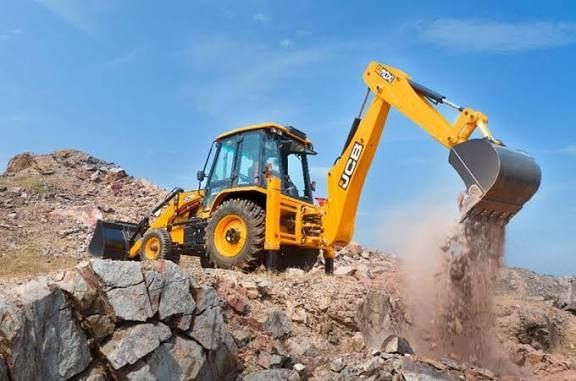
Mining Equipment Guide to Essential Machinery, Applications and Industry Applications
Mining equipment includes the machines, systems, and supporting tools used to extract, move, process, and manage minerals and other geological materials. Depending on the mine design and material being recovered, equipment can range from drilling machines and excavators to haul trucks, crushers, conveyors, screens, pumps, and underground loading systems.
Context
Mining has used mechanical equipment for centuries, but modern operations rely on increasingly specialized machinery. Equipment selection is influenced by factors such as geological conditions, mine depth, material characteristics, production methods, terrain, environmental conditions, and workplace safety requirements.
The main stages of a mining operation can be broadly divided into extraction, loading, hauling, processing, and material handling. Different machines perform different functions within these stages, and several machines may work together as part of one production system.
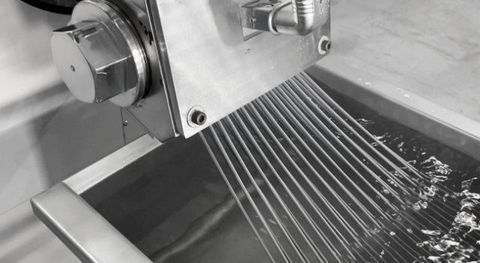
Mining equipment is also connected to other industrial machinery sectors. For example, waterjet cutting systems can be used during the fabrication or preparation of metal components and wear plates used around industrial and mining equipment. However, a waterjet is generally a cutting machine rather than a mineral-extraction machine.
Some machinery terms can also appear in broader manufacturing discussions without being mining equipment. Looms, Weaving Looms, Air Jet Looms, Rapier Looms, and Jacquard Looms are textile-manufacturing machines used to produce woven fabrics. Understanding this distinction is useful when researching machinery categories because these technologies belong to different production processes.
Main categories of mining equipment
Mining machinery can generally be grouped according to its role in the production process.
| Equipment category | Typical function | Common applications |
|---|---|---|
| Drilling equipment | Creates holes in rock | Exploration and rock preparation |
| Excavators | Dig and load material | Surface mining and quarrying |
| Haul trucks | Move bulk material | Open-pit operations |
| Loaders | Load or transport material | Surface and underground mining |
| Crushers | Reduce material size | Mineral processing |
| Screens | Separate material by size | Processing and classification |
| Conveyors | Move material continuously | Mines and processing plants |
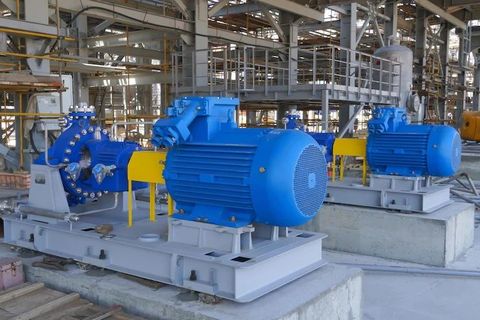
| Pumps | Move water or slurry | Drainage and processing |
| Underground machines | Extract and transport material | Underground mining |
Importance
Mining equipment plays an important role because mineral extraction involves large quantities of rock and material that cannot generally be handled manually at industrial scale. Machinery allows specific stages of extraction and processing to be performed according to the mine plan and geological conditions.
Equipment also affects how workers interact with the mining environment. Remote controls, machine monitoring, automated systems, protective structures, ventilation equipment, and detection technologies can change how particular tasks are performed.
Equipment across mining applications
Surface mining commonly uses large excavators, hydraulic shovels, wheel loaders, haul trucks, drills, graders, and dozers. These machines operate in open areas and are often selected according to excavation geometry, haul distances, material properties, and ground conditions.
Underground mining requires a different equipment arrangement because available space, ventilation, ground stability, and access routes can limit machine dimensions and operating methods. Equipment can include continuous miners, roof bolters, underground loaders, drilling machines, shuttle cars, and specialized transport systems.
Mineral processing introduces another group of machines. After extraction, material may pass through crushing, screening, grinding, separation, washing, or other processing stages depending on the mineral and the desired output.
Water management and material movement
Water management is another important part of mining. Pumps and drainage systems can move groundwater, process water, or slurry away from particular areas. In underground operations, pumping systems can be particularly important because accumulated water can interfere with access and working conditions.
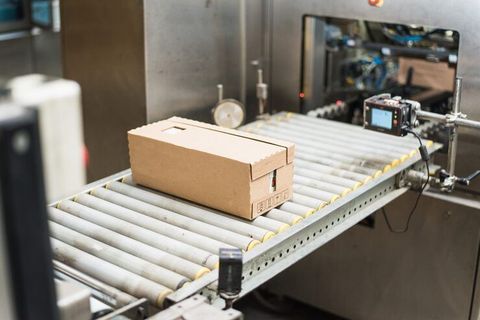
Conveyors provide another method of moving bulk material. Compared with individual vehicle movements, continuous conveying can form an integrated material-handling system between extraction areas, stockpiles, crushers, and processing facilities.
Mining equipment and related manufacturing machinery
Mining operations depend on a wider industrial supply chain that includes fabrication, machining, material processing, electrical systems, and equipment manufacturing.
Waterjet systems can be used in industrial fabrication to cut metals and other materials without the same type of heat-affected zone associated with some thermal cutting processes. Components such as plates, brackets, liners, and other fabricated parts may require cutting before assembly or further machining.
Looms belong to a different industrial sector. Weaving Looms convert yarn into woven fabric, while Air Jet Looms use air to insert the weft yarn across the shed. Rapier Looms use a rapier mechanism for weft insertion, and Jacquard Looms provide controlled yarn selection for more complex woven patterns. These machines are relevant to textile manufacturing rather than mineral extraction.
Recent Updates
Mining equipment has increasingly incorporated automation, electrification, remote operation, digital monitoring, and data analysis. These developments are partly associated with the need to manage complex mine environments, improve equipment utilization, reduce exposure to certain hazards, and respond to changing mineral requirements.
The International Energy Agency has reported continued growth in demand for several critical minerals associated with electrification, energy infrastructure, and industrial technologies. Its 2025 analysis also notes that declining ore quality in some mature mining regions can increase the capital intensity of mining and processing projects.
Automation and remote operation
Automated haulage, remotely controlled machines, machine guidance, and fleet-monitoring systems are becoming more visible across modern mining operations. Automation can allow some activities to be performed from controlled locations rather than directly beside operating equipment.
The International Labour Organization's mining safety guidance recognizes automated machinery as an important development and emphasizes risk assessment and appropriate safety controls when such systems are introduced.
Electrification and digital monitoring
Electrification is another area of development. Battery-electric and electrically powered equipment can change mine energy requirements and may reduce direct exhaust emissions in locations where such machines are used. The suitability of an electric machine depends on the mine layout, charging infrastructure, operating cycle, power availability, and equipment design.
Digital monitoring can also collect information about equipment operation, machine condition, fuel or energy use, location, and maintenance requirements. These systems can support planning and equipment management, although the usefulness of collected data depends on its quality and interpretation.
Greater attention to dust and environmental controls
Dust control remains an important consideration, particularly where drilling, crushing, loading, and material handling can generate airborne particles. Modern systems may incorporate water sprays, dust collectors, ventilation, enclosed transfer points, and other engineering controls.
International mining safety guidance specifically addresses ventilation, dust, equipment, remote controls, and other hazards associated with underground operations.
Laws or Policies
Mining equipment is affected by national mining laws, occupational safety requirements, environmental rules, electrical regulations, machinery standards, and mine-specific operating requirements. The exact legal framework varies according to jurisdiction, mineral type, mining method, and whether operations are surface or underground.
International guidance provides a useful general framework. The International Labour Organization's Safety and Health in Mines Convention establishes principles concerning national mine-safety policies, competent authorities, risk management, equipment, working conditions, ventilation, and emergency arrangements.
Equipment safety requirements
Rules commonly address the safe design, operation, inspection, maintenance, and guarding of machinery. Equipment operators may also need appropriate training and authorization under applicable regulations.
For example, the U.S. Mine Safety and Health Administration maintains approval and certification processes for certain mining equipment and evaluates equipment against applicable safety requirements. Its technical programs also address mechanical safety, electrical safety, equipment approvals, and newer technologies.
The exact requirements for a particular machine should therefore be checked against the regulations that apply to the mine's location and operating conditions.
Dust, ventilation, and underground hazards
Underground mining regulations commonly address ventilation, airborne dust, gases, fire risks, electrical equipment, ground stability, and emergency procedures. The ILO recommends that underground workplaces have appropriate ventilation and that hazards associated with mechanical equipment and electrical installations be addressed through appropriate preventive measures.
These requirements influence equipment selection as well as mine planning. A machine cannot be considered separately from the environment in which it operates.
Tools and Resources
Several resources can help readers understand mining machinery, equipment applications, and operational requirements.
Equipment specifications
Manufacturer technical documentation can provide information about machine dimensions, rated capacity, power systems, operating conditions, attachments, and recommended applications. Such information should be interpreted together with mine-specific engineering requirements.
Mine planning and simulation
Mine-planning software can model geological information, excavation sequences, haul routes, equipment movement, and production scenarios. Simulation tools can also help analyze interactions between trucks, loaders, conveyors, crushers, and other equipment.
Safety resources
The International Labour Organization provides mining safety and health resources covering underground and opencast operations, risk assessment, equipment, ventilation, dust control, and automated machinery.
National mining authorities can also provide regulations, equipment approval information, inspection guidance, accident-prevention resources, and technical publications. The applicable authority depends on the jurisdiction.
Equipment maintenance records
Maintenance records can contain information about inspections, repairs, operating hours, component changes, and recurring equipment issues. Digital fleet-management systems can organize some of this information and connect it with machine operating data.
FAQs
What are the main types of mining equipment?
Common categories include drilling machines, excavators, loaders, haul trucks, crushers, screens, conveyors, pumps, underground mining machines, and material-handling systems. The actual equipment combination depends on the mining method and geological conditions.
How is waterjet equipment used in the mining industry?
Waterjet machines are generally used for industrial cutting and fabrication rather than mineral extraction. They can process metal plates and other materials that may be incorporated into mining machinery, structures, liners, or fabricated components.
Are Weaving Looms used in mining?
Weaving Looms are textile-manufacturing machines rather than mining equipment. Air Jet Looms, Rapier Looms, and Jacquard Looms are different weaving technologies used to manufacture woven fabrics and therefore belong to the textile machinery sector.
What equipment is used in underground mining?
Underground operations can use drilling machines, continuous miners, roof bolters, loaders, shuttle systems, underground haulage equipment, conveyors, pumps, and ventilation equipment. The exact combination depends on the mining method and geological conditions.
How is mining equipment becoming more automated?
Mining operations are increasingly using remote controls, automated haulage, machine guidance, fleet monitoring, sensors, and digital planning systems. These technologies can change how equipment is operated and monitored while requiring appropriate safety controls and procedures.
Conclusion
Mining equipment covers a broad range of machinery used for extraction, loading, transportation, processing, drainage, and material handling. Recent developments include greater use of automation, remote operation, electrification, digital monitoring, and environmental controls. Waterjet systems may support the fabrication of mining-related components, while Weaving Looms, Air Jet Looms, Rapier Looms, and Jacquard Looms belong to textile manufacturing rather than mining. Equipment selection and operation are also shaped by mine conditions, engineering requirements, and applicable safety and environmental regulations.