Portable Coffee Maker: Explore the Basics of Brewing Coffee Anywhere
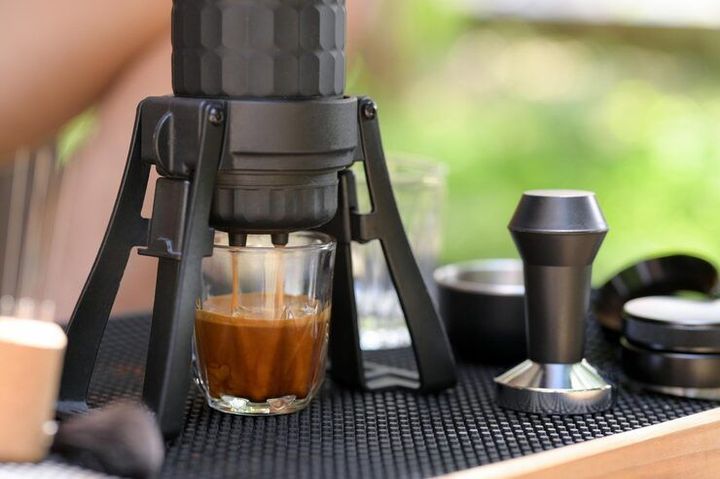
A portable coffee maker is a compact device designed to prepare coffee in places where a conventional kitchen setup may not be available. Depending on the design, it may use ground coffee, capsules, hot water, pressure, or electrical heating. Portable coffee makers are commonly associated with travel, outdoor activities, workplaces, temporary accommodation, and other situations where space and equipment are limited.
The idea comes from the wider development of manual coffee brewing. Traditional methods such as pour-over, immersion brewing, and pressure-based preparation can be adapted into smaller formats. Advances in materials, battery technology, heating systems, and compact mechanical components have also made it possible to create smaller brewing equipment.
A portable coffee maker can work in several ways. Some models require the user to provide hot water, while others contain a heating element that warms water internally. Manual models may use hand pressure or a pump to move water through coffee grounds. The basic principle remains the same: water comes into contact with ground coffee for a controlled period, allowing soluble compounds to move into the water.
Understanding portable coffee makers
Portable coffee makers can generally be grouped according to how they prepare coffee. Manual pressure models rely on physical force, while pour-over designs depend on controlled water flow. Compact electric models may heat water and regulate the brewing process internally.
The main categories include:
- Manual brewers, which rely on hand pressure or pouring.
- Electric brewers, which use an electrical source to heat or move water.
- Battery-powered models, which combine internal heating or pumping with rechargeable power.
- Capsule-based devices, which use pre-portioned coffee.
- Hybrid brewers, which combine more than one brewing method.
Each design involves different requirements for water, coffee, power, cleaning, and transportation.
Basic brewing principles
Coffee extraction depends on several variables, including grind size, coffee quantity, water temperature, contact time, and water flow. Changing one of these factors can affect the flavor and strength of the resulting drink.
The Specialty Coffee Association evaluates coffee brewing equipment using factors such as water temperature, brewing time, extraction, and consistency. Its certification program illustrates how brewing involves several measurable variables rather than a single setting.
Importance
Portable coffee makers matter because people do not always have access to a conventional coffee machine. Travelers, campers, commuters, students, remote workers, and outdoor enthusiasts may spend time in locations where kitchen equipment is limited.
A compact brewer can reduce the amount of equipment needed for basic coffee preparation. However, portability involves trade-offs. A smaller device may have a lower capacity, require more manual preparation, or depend on an external source of hot water.
The choice of brewing method can also affect the overall experience. A manual brewer may require more physical effort but have fewer electronic components, while an electric model may simplify heating but require access to a suitable power source.
What makes a portable coffee maker practical?
Several factors determine whether a portable brewer is suitable for a particular situation. These include size, weight, water capacity, brewing method, cleaning requirements, power requirements, and durability.
For travel, dimensions and weight can be particularly important. For outdoor use, the availability of hot water and electricity may determine which type of brewer is practical.
Comparing common portable brewing methods
| Brewing type | Water requirement | Power requirement | Preparation style | Common use |
|---|---|---|---|---|
| Manual pressure | Usually hot water | None | Hand-operated | Travel and outdoor use |
| Pour-over | Hot water | None | Controlled pouring | Travel and personal brewing |
| Electric | Water heated internally | Electrical power | Automated or semi-automated | Offices and rooms |
| Battery-powered | Internal or added water | Rechargeable battery | Portable operation | Travel and outdoor settings |
| Capsule-based | Usually water and capsule | Depends on design | Pre-portioned preparation | Convenient individual brewing |
These categories describe general characteristics. Actual operation varies between individual devices.
Water and coffee preparation
Water quality has a direct role in coffee preparation because brewed coffee consists primarily of water containing extracted compounds from coffee grounds. Using suitable drinking water can therefore affect both flavor and general beverage hygiene.
Coffee grind size also matters. Finer grounds generally provide greater surface area for water contact, while coarser grounds provide less. The appropriate grind depends on the brewing method and the time water remains in contact with the coffee.
Recent Updates
Portable coffee equipment has continued to develop alongside broader improvements in home and personal brewing technology. Recent designs increasingly focus on compact heating, rechargeable power, insulated materials, simplified controls, and improved consistency.
The Specialty Coffee Association's recent certified-equipment programs show continued development in brewing technology, including equipment with temperature control, programmable settings, single-cup preparation, integrated grinding, and other precision features.
Although these developments are not limited to portable devices, they influence compact brewing equipment as manufacturers apply similar principles to smaller formats.
More attention to brewing control
Temperature management has received continued attention in coffee research and equipment development. SCA research has examined how brewing temperature, extraction, and total dissolved solids relate to sensory characteristics. Research results also indicate that flavor is influenced by several variables rather than temperature alone.
This is relevant to portable coffee makers because small heating systems need to manage water temperature within the limitations of their size and power source.
Battery and compact heating systems
Rechargeable power has also become more common across portable electronic equipment. In coffee makers, this can allow heating and brewing without a direct connection to a wall outlet, although battery capacity and charging requirements remain practical considerations.
Portable electrical equipment involving water and heat should be operated according to the manufacturer's instructions. General electrical safety guidance also emphasizes keeping charging equipment dry and inspecting cables and connectors for damage.
Greater focus on cleaning
Compact equipment can contain narrow passages, filters, seals, reservoirs, and other components where coffee residue or moisture can remain. This makes cleaning an important part of regular use.
Food-contact equipment should be designed so that relevant surfaces can be cleaned properly. FDA guidance for coffee equipment used in transportation environments, for example, discusses cleanable coffee makers, reservoirs, filters, and related components.
Laws or Policies
There is no single worldwide law specifically governing portable coffee makers. Requirements can vary according to where a device is manufactured, sold, transported, or used.
Electrical products may be subject to safety standards covering areas such as electrical insulation, overheating, power connections, materials, and product testing. Requirements can differ between jurisdictions and between battery-powered and mains-powered equipment.
Food-contact materials can also be regulated. Materials that come into contact with drinking water or coffee may need to meet applicable safety requirements concerning substances that could migrate into beverages.
Travel and transportation considerations
Portable coffee makers may also be affected by transportation rules. Devices containing rechargeable batteries can be subject to additional requirements during air travel, particularly when batteries are removable or have higher capacities.
Travelers should check the current rules of the transportation provider and relevant aviation authority before carrying equipment containing batteries. Restrictions can differ depending on battery type, capacity, packaging, and whether the equipment is carried in cabin baggage or checked baggage.
Safe use around hot water
Hot water can cause burns if handled improperly. Heating water in unsuitable containers or using equipment outside its instructions can create additional risks.
The FDA has documented injuries involving super-heated water produced in microwave ovens and advises users to follow the heating instructions supplied with the appliance.
For portable coffee preparation, users should follow the manufacturer's operating instructions, keep hot components away from children, and place the brewer on a stable surface during use.
Tools and Resources
Several simple resources can help with portable coffee preparation. A digital kitchen scale can measure coffee and water quantities, while a timer can help maintain consistent brewing periods. A thermometer can also help users understand water temperature when the brewing method depends on externally heated water.
A basic travel brewing setup may include:
- Portable coffee maker
- Fresh drinking water
- Ground coffee or another compatible coffee format
- Measuring scale
- Timer
- Suitable cup or container
- Cleaning cloth or brush
- Appropriate power source when required
The Specialty Coffee Association's brewing resources provide technical information about brewing equipment, temperature, extraction, and testing methods. Its Certified Home Brewer program can also be used as a reference for understanding the characteristics evaluated in coffee brewing equipment.
Manufacturers' instruction manuals are another important resource. They normally explain compatible coffee formats, water capacity, cleaning procedures, charging requirements, operating temperatures, and maintenance intervals for a particular device.
For people who travel with portable electrical equipment, transportation authority websites and airline baggage guidance can provide current information about batteries and electronic devices.
FAQs
What is a portable coffee maker?
A portable coffee maker is a compact coffee-brewing device designed for use outside a conventional kitchen. Depending on its design, it may use manual pressure, hot water, electrical heating, batteries, or another brewing mechanism.
How does a portable coffee maker work?
A portable coffee maker brings water into contact with coffee grounds for a controlled period. The exact process depends on the design, with some models using pressure, gravity, pumping, or internal heating.
Can a portable coffee maker heat water?
Some portable coffee makers include an internal heating system, while others require water to be heated separately. The product design determines whether an external heat source or electrical connection is necessary.
What should I consider when choosing a portable coffee maker?
Important factors include size, weight, water capacity, brewing method, power requirements, cleaning needs, durability, and the type of coffee it accepts. The intended environment should also be considered.
How should a portable coffee maker be cleaned?
Cleaning depends on the design, but coffee-contact parts should generally be rinsed or washed according to the manufacturer's instructions. Removable filters, reservoirs, seals, and brewing chambers may require particular attention because coffee residue can remain in small spaces.
Conclusion
A portable coffee maker is a compact approach to preparing coffee when conventional kitchen equipment is unavailable. Manual, electric, battery-powered, and other designs use different methods and have different requirements for water, power, cleaning, and transportation. Recent developments have placed more attention on temperature control, compact heating, brewing consistency, and equipment maintenance. Understanding these factors helps explain how portable coffee brewing works and what practical considerations are involved.