Precision Grinding Equipment Basics With Grinding Methods, Features, and Industrial Applications
Precision grinding equipment is used to remove very small amounts of material from a workpiece while producing accurate dimensions and controlled surface finishes. Precision grinding equipment includes surface grinders, cylindrical grinders, centerless grinders, internal grinders, tool and cutter grinders, and specialized CNC grinding systems.
These machines use abrasive wheels or related grinding tools to shape materials such as steel, stainless alloys, ceramics, carbide, and other engineered materials. Understanding grinding methods, machine features, operating principles, and industrial applications helps explain why precision grinding remains important in modern manufacturing.
Context
What Is Precision Grinding Equipment
Precision grinding equipment refers to machinery designed to achieve controlled material removal with high dimensional accuracy. Unlike rough material-removal processes, grinding generally works with relatively small amounts of material during each operation.
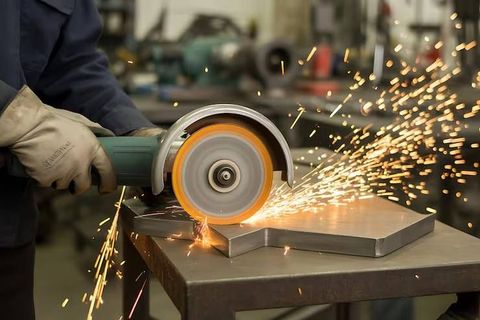
A grinding wheel contains many abrasive particles. As the wheel rotates against a workpiece, individual abrasive grains remove tiny portions of material. The process can produce accurate dimensions, smooth surfaces, defined edges, and specific geometric forms.
Precision grinding developed alongside the growth of mechanical manufacturing. As industrial components became more complex, manufacturers needed methods capable of producing consistent dimensions on shafts, bearings, gears, molds, dies, tools, and other components.
How Grinding Equipment Works
A typical grinding system contains several major elements:
- Grinding wheel or abrasive tool: Performs material removal.
- Machine spindle: Rotates the grinding wheel or workpiece.
- Workholding system: Holds the component in a controlled position.
- Feed mechanism: Controls movement between the abrasive tool and workpiece.
- Coolant system: Helps manage heat and remove grinding debris.
- Control system: Coordinates machine movement and operating parameters.
Modern CNC grinding equipment can coordinate multiple machine axes. This allows complex profiles and repeatable movements to be produced according to programmed machining instructions.
Common Types of Precision Grinding Equipment
Different machines are designed for different component shapes and production requirements.
Surface grinding equipment generally works on flat surfaces. Cylindrical grinding equipment processes the outside or inside diameter of round components. Centerless grinding supports cylindrical parts without using traditional centers, while tool and cutter grinders are designed for cutting tools and specialized geometries.
| Equipment Type | Typical Workpiece | Main Application |
|---|---|---|
| Surface Grinder | Flat components | Flat surface finishing |
| Cylindrical Grinder | Shafts and round parts | External diameter grinding |
| Internal Grinder | Bores and openings | Internal surface finishing |
| Centerless Grinder | Cylindrical parts | Continuous diameter processing |
| Tool and Cutter Grinder | Cutting tools | Tool geometry correction |
| CNC Grinder | Complex components | Automated precision grinding |
Importance
Why Precision Grinding Matters
Precision grinding equipment is important because many industrial components must fit together within controlled dimensional limits. A small dimensional variation can influence alignment, movement, sealing, vibration, or contact between components.
Grinding can also produce surface characteristics that are difficult to achieve through other machining methods. Controlled surface roughness can be important for components that interact with bearings, seals, sliding mechanisms, rotating assemblies, or precision mating surfaces.
The process is therefore relevant to several manufacturing sectors, including automotive production, aerospace manufacturing, medical equipment production, toolmaking, electronics, energy systems, and general engineering.
Problems Addressed by Grinding
Precision grinding addresses several common manufacturing requirements:
- Controlled dimensional accuracy
- Smooth and consistent surface finishes
- Accurate cylindrical diameters
- Flat and parallel surfaces
- Precise internal bores
- Defined tool edges and profiles
- Repeatable production of similar components
Grinding also plays an important role when a material has already undergone processes such as heat treatment. Hardened materials can be difficult to machine using conventional cutting methods, while abrasive grinding can process many hardened workpieces under suitable operating conditions.
Factors That Influence Grinding Results
Grinding performance depends on more than machine accuracy. Wheel selection, workpiece material, wheel speed, feed rate, dressing condition, coolant management, and machine rigidity all influence the result.
Heat is particularly important. Excessive heat can affect the surface condition of some materials and may create unwanted changes in the workpiece. Proper coolant delivery, suitable grinding parameters, wheel selection, and controlled machine movement help manage thermal effects.
Recent Updates
Growth of CNC Grinding Systems
Recent developments in precision grinding equipment have focused strongly on automation, digital controls, process monitoring, and improved machine coordination. CNC systems allow programmed grinding paths to be repeated with limited manual adjustment.
Modern equipment can also integrate measurement systems that inspect dimensions during or after grinding. This creates a closer connection between machining and quality control.
Automation and Process Monitoring
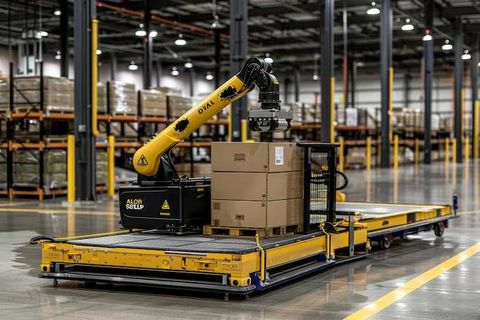
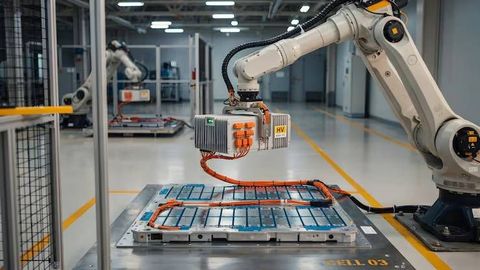
Automated loading and unloading systems are increasingly associated with production grinding environments. Robotic handling can move components between machining, inspection, cleaning, and other production stages.
Sensors and digital monitoring systems can track variables such as spindle condition, vibration, temperature, wheel behavior, and machine operating status. These technologies support more consistent process control and can help identify unusual operating conditions.
Improved Grinding Wheel Technology
Abrasive technology continues to develop through changes in abrasive materials, bonding systems, wheel structures, and wheel geometries. Different abrasive combinations are selected according to workpiece material and required grinding conditions.
Superabrasive materials such as cubic boron nitride and diamond are used for particular applications where their characteristics are suitable. Selection depends on factors such as material hardness, geometry, surface requirements, and operating parameters.
Energy and Resource Efficiency
Current industrial development also places greater attention on energy consumption, coolant management, abrasive utilization, and process efficiency. Machine builders increasingly incorporate systems designed to manage operating conditions and reduce unnecessary auxiliary activity.
Digital manufacturing systems can also collect production information, allowing operators and engineers to examine machine utilization and process behavior.
Laws or Policies
Industrial Machine Safety
Precision grinding equipment is subject to workplace safety requirements that vary by country and industrial environment. Common requirements address machine guarding, electrical protection, emergency stopping systems, operator training, abrasive wheel handling, and workplace risk assessment.
Grinding wheels can rotate at high speeds, making correct wheel selection, inspection, mounting, and guarding important safety considerations. Operators generally need to follow the equipment manufacturer's operating instructions and applicable workplace safety requirements.
Abrasive Wheel Safety
Abrasive wheels must be appropriate for the machine and operating speed. Damaged wheels, incorrect mounting, unsuitable wheel specifications, or inadequate guarding can create significant hazards.
Common safety practices include checking wheels before use, maintaining suitable guards, using appropriate personal protective equipment, and keeping operating conditions within specified limits.
Environmental and Workplace Considerations
Grinding can generate airborne particles, noise, heat, and used coolant or other process residues. Workplace rules may therefore address ventilation, exposure control, waste handling, noise levels, and chemical management.
Specific legal requirements depend on the country, industry, material being processed, and workplace conditions. Businesses generally need to identify the rules applicable to their particular production environment rather than relying on a single global requirement.
Tools and Resources
Grinding Parameter Calculators
Grinding parameter calculators can help estimate relationships among wheel speed, workpiece speed, feed rate, material removal, and other operating variables. Such calculations are useful when establishing machining parameters, although actual settings must match the equipment and abrasive manufacturer's specifications.
Surface Roughness Measurement
Surface roughness testers are commonly used to measure characteristics such as average roughness and related surface parameters. These measurements help determine whether a finished component meets a defined surface requirement.
CNC Programming Tools
CNC programming software can be used to create machining instructions for automated grinding equipment. Depending on the machine, programming may involve multiple axes, work offsets, tool information, inspection routines, and process parameters.
Inspection Equipment
Precision measurement tools can include micrometers, bore gauges, coordinate measuring machines, optical measurement systems, and electronic inspection instruments. The appropriate instrument depends on the component geometry and required measurement resolution.
Maintenance and Process Records
Machine maintenance schedules, grinding wheel records, inspection sheets, setup documentation, and process parameter records can help maintain consistent production conditions. Digital manufacturing platforms may also collect machine information for analysis and production monitoring.
FAQs
What is precision grinding equipment used for?
Precision grinding equipment is used to produce controlled dimensions, surface finishes, flatness, roundness, and other geometric characteristics on industrial components. Applications include shafts, bearings, gears, tools, molds, dies, and precision machine parts.
What are the main grinding methods?
Common grinding methods include surface grinding, cylindrical grinding, internal grinding, centerless grinding, and tool grinding. Each method is designed around a particular workpiece shape or machining requirement.
How does CNC grinding equipment improve production control?
CNC grinding equipment uses programmed machine movements to control grinding operations. It can provide repeatable movement patterns, coordinate several axes, and integrate measurement or monitoring functions depending on the machine configuration.
What factors affect grinding accuracy?
Grinding accuracy can be influenced by machine rigidity, wheel condition, abrasive selection, workholding, thermal effects, feed rate, wheel speed, dressing, coolant management, and measurement methods.
Where is precision grinding equipment used?
Precision grinding equipment is used across automotive, aerospace, medical equipment, toolmaking, electronics, energy, machinery, and general engineering applications. The specific machine and grinding method depend on the component material, geometry, dimensional requirements, and surface characteristics.
Conclusion
Precision grinding equipment provides controlled abrasive machining for components requiring accurate dimensions and carefully managed surface characteristics. Surface, cylindrical, internal, centerless, tool, and CNC grinding systems address different manufacturing requirements. Recent developments emphasize automation, digital monitoring, measurement integration, improved abrasives, and more controlled resource use. Safe operation continues to depend on suitable machine guarding, wheel selection, maintenance, operator training, and compliance with applicable workplace requirements.