Recycling Machine Guide: Materials, Processing Methods, Equipment Types and Industrial Uses
A recycling machine is equipment designed to process discarded materials so they can be recovered, separated, and prepared for reuse or further manufacturing. Recycling developed from traditional practices such as collecting scrap metal, reusing paper, and recovering glass. As industrial production and urban waste volumes expanded, mechanical equipment became increasingly important for handling large quantities of discarded materials.
Context
A recycling machine is equipment designed to process discarded materials so they can be recovered, separated, and prepared for reuse or further manufacturing. Recycling developed from traditional practices such as collecting scrap metal, reusing paper, and recovering glass. As industrial production and urban waste volumes expanded, mechanical equipment became increasingly important for handling large quantities of discarded materials.
A Recycling Machine Guide explains the materials these machines process, their operating methods, the main equipment types, and their industrial uses. Recycling systems can range from small machines used for specific materials to integrated industrial plants that process mixed waste. The equipment selected depends on the material's composition, contamination level, required output, and intended destination.
Understanding Recycling Machine Types
Different machines perform different tasks within the recycling process. Some reduce material size, while others separate materials by weight, shape, magnetic properties, or optical characteristics.
Common equipment categories include:
Shredders: Break large objects into smaller pieces for easier handling and subsequent processing.
Crushers: Reduce rigid materials such as glass, concrete, or certain plastics into smaller fragments.
Baling machines: Compress paper, cardboard, plastic film, and other suitable materials into compact bundles.
Sorting systems: Separate materials using screens, air currents, magnets, sensors, or manual inspection.
Granulators: Cut selected plastics and other suitable materials into smaller particles.
Compactors: Reduce the volume of certain waste materials to simplify storage and transport.
Some recycling facilities use several machines in sequence. A plastic recycling line, for example, may include sorting equipment, shredders, washing units, drying systems, and granulators.
Materials Processed by Recycling Equipment
Recycling equipment is designed around the physical and chemical properties of the material being processed. Paper, metals, glass, plastics, electronic waste, and construction debris require different handling methods.
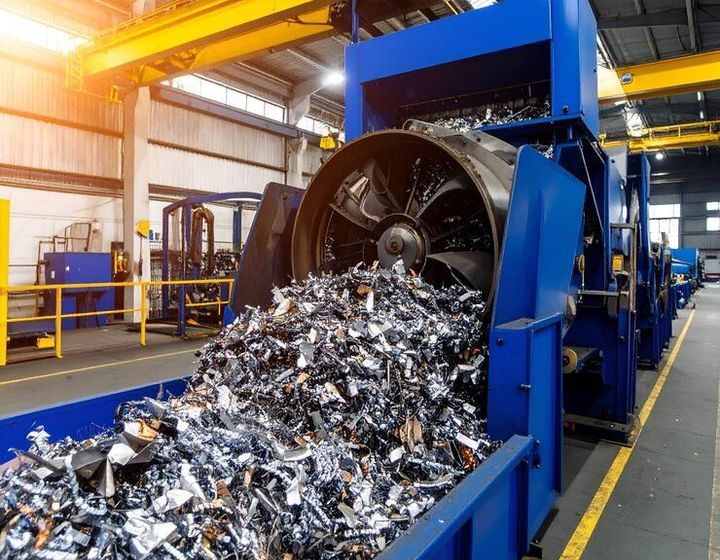
Paper and cardboard are commonly sorted, baled, and sent to facilities that turn recovered fibers into new paper products. Metals can be separated using magnets or eddy-current systems, while glass is crushed and sorted according to color or composition where required. Plastics may need separation by polymer type before washing, shredding, and further processing.
Electronic waste requires specialized handling because discarded devices can contain valuable metals, batteries, and hazardous components. Construction and demolition waste may include concrete, brick, wood, metal, and other materials that need separate processing routes.
Importance
Recycling machines help communities, businesses, manufacturers, and waste-processing facilities manage discarded materials in a more organized way. Without suitable equipment, large volumes of waste can be difficult to sort, store, transport, or prepare for material recovery.
Mechanical processing can also reduce the amount of material sent to disposal facilities when usable materials are successfully recovered. However, recycling does not eliminate all waste, and the environmental results depend on collection systems, contamination, energy use, transport, and the quality of recovered material.
Industrial Applications of Recycling Machines
Recycling equipment is used across a range of industries, including manufacturing, construction, packaging, electronics, and municipal waste management.
Manufacturing: Recovers production scraps, metal offcuts, packaging, and selected plastic residues.
Construction: Processes concrete, asphalt, masonry, and other suitable materials from demolition projects.
Packaging: Handles cardboard, paper, metal containers, and selected plastic packaging.
Electronic waste processing: Separates components and materials from discarded computers, appliances, and electronic devices.
Municipal waste management: Supports sorting and processing of collected household and commercial waste.
Agriculture: Processes certain plastic films, containers, and other recyclable materials when appropriate collection systems exist.
The suitability of a recycling machine depends on the material stream. Equipment designed for clean industrial plastic scraps may not be appropriate for mixed household waste containing food residues, textiles, batteries, and other contaminants.
Comparing Common Recycling Equipment
The table summarizes typical equipment functions and applications.
| Machine type | Main function | Common materials |
|---|---|---|
| Industrial shredder | Reduces material size | Plastics, wood, electronic waste |
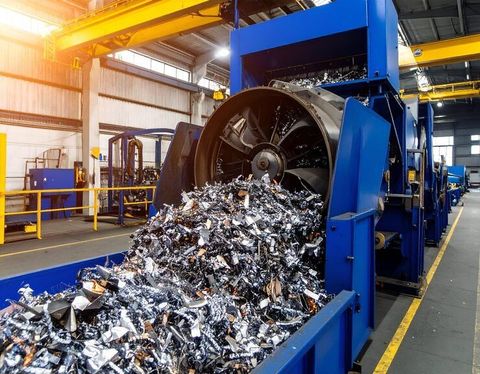
| Metal crusher | Breaks down selected metal items | Scrap metal, metal containers |
| Baling machine | Compresses materials into bundles | Cardboard, paper, plastic film |
| Optical sorter | Identifies and separates materials using sensors | Selected plastics, paper, glass |
| Glass crusher | Breaks glass into smaller fragments | Glass containers and suitable glass waste |
| Plastic granulator | Produces smaller plastic particles | Sorted plastic scraps |
| Construction waste crusher | Processes rigid construction materials | Concrete, brick, masonry |
These machines perform different functions and are not necessarily interchangeable. A complete recycling facility may require additional conveyors, washing systems, dust control, storage areas, and quality inspection equipment.
Recent Updates
Recycling technology has increasingly focused on automated sorting, improved material identification, energy efficiency, and better recovery of complex waste streams. Developments from 2024 through 2026 include continued investment in sensor-based sorting, robotics, and processing systems designed to handle materials that are difficult to separate manually. Adoption varies according to facility size, available infrastructure, local regulations, and the materials collected.
Artificial Intelligence and Automated Sorting
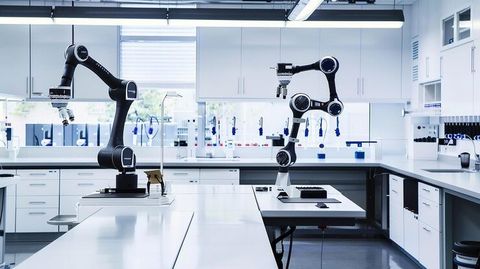
Some modern recycling facilities combine cameras, optical sensors, machine learning, and robotic systems to identify selected materials on moving conveyor belts. These technologies can help distinguish objects by color, shape, material type, or other detectable characteristics.
Automated sorting may improve consistency and reduce the amount of manual handling required for certain tasks. However, performance depends on the quality of the incoming waste, sensor configuration, maintenance, and the range of materials the system has been trained or configured to recognize. Manual inspection and quality checks may still be necessary.
Improved Plastic and Electronic Waste Processing
Plastic recycling research and industrial development increasingly address the difficulty of processing mixed polymers, multilayer packaging, and contaminated plastics. Mechanical recycling generally involves sorting, size reduction, cleaning, and remelting suitable materials. Chemical recycling methods use different processes to break down certain polymers into chemical feedstocks or other usable outputs.
Electronic waste processing also requires careful separation of batteries, circuit boards, metals, plastics, and other components. Facilities may use specialized dismantling equipment, magnetic separation, optical sorting, and controlled processing systems. These technologies require appropriate safeguards because some electronic components contain hazardous substances.
Resource Efficiency and Equipment Monitoring
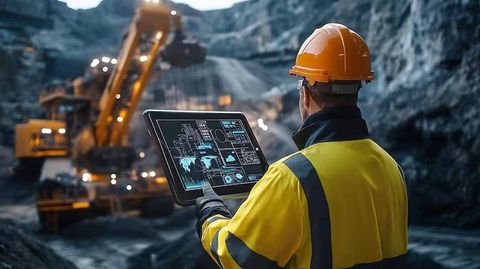
Industrial operators are also examining electricity consumption, water use, maintenance requirements, and material losses throughout recycling operations. Sensors and monitoring systems can track machine temperatures, vibration, throughput, and other operating conditions. Such information may help identify equipment problems and improve maintenance planning, although results depend on implementation and operating practices.
Laws or Policies
Recycling machine operations are shaped by environmental regulations, waste-handling rules, workplace safety requirements, and standards for specific materials. The rules that apply depend on the type of waste, the facility's activities, its location, and whether the material crosses regional or national borders.
Waste Management Regulations in India
In India, the Environment (Protection) Act, 1986, provides an important legal framework for environmental protection. Waste-specific rules establish requirements for the collection, handling, processing, and management of particular waste categories.
The Solid Waste Management Rules, 2016, address the management of municipal solid waste, including segregation and processing responsibilities. India's Plastic Waste Management Rules, 2016, as amended, establish requirements relating to plastic waste management and extended producer responsibility for covered entities. The E-Waste (Management) Rules, 2022, address electronic waste management and responsibilities for specified producers, manufacturers, refurbishers, and recyclers.
Requirements can change as rules are amended or new provisions take effect. Businesses should check the latest notifications from India's Ministry of Environment, Forest and Climate Change and the Central Pollution Control Board, along with requirements from the relevant State Pollution Control Board or Pollution Control Committee.
Industrial Safety and Environmental Controls
Recycling plants may need applicable environmental authorizations, operating permissions, and waste-specific registrations. Facilities handling batteries, electronic waste, chemicals, or other hazardous materials may face additional controls concerning storage, transport, worker protection, and pollution prevention.
Industrial recycling machinery also presents physical hazards, including moving blades, crushing forces, electrical equipment, noise, dust, and fire risks. Suitable machine guards, emergency stops, maintenance procedures, personal protective equipment, and staff training are important parts of safe operation. Specific legal obligations depend on the equipment, workplace, and applicable regulations.
Tools and Resources
Several technical resources help organizations understand recycling processes, assess equipment requirements, and monitor material recovery. The appropriate resource depends on whether the task involves a small recycling operation, a commercial facility, or an industrial processing plant.
Equipment Selection and Capacity Planning
Equipment specifications and manufacturer documentation describe acceptable material sizes, throughput ranges, power requirements, maintenance intervals, and operating limitations. These details help determine whether a machine can handle a particular waste stream.
Capacity planning may include estimating the amount of material collected each day, the proportion that can be recovered, storage requirements, and the expected operating hours. A simple spreadsheet can record incoming material volumes, contamination levels, machine downtime, recovered output, and rejected waste.
For industrial installations, engineers may also evaluate conveyor layouts, ventilation, dust collection, noise control, electrical demand, and access for maintenance. Actual throughput can differ from published capacity when materials are wet, mixed, irregular, or contaminated.
Environmental and Technical Information Sources
The Central Pollution Control Board provides Indian environmental guidance and information about waste-management regulations. The Ministry of Environment, Forest and Climate Change publishes environmental rules and notifications. The Bureau of Indian Standards provides information on applicable Indian standards, while the International Organization for Standardization publishes standards relevant to environmental management and related industrial practices.
Industry associations, technical publications, and academic research can provide additional information about sorting technologies, recycling methods, and material recovery. Regulatory documents and equipment specifications should be checked directly when a decision depends on a particular requirement.
Operational Monitoring
Recycling facilities may use weighing systems, material tracking software, maintenance logs, and quality-control records to monitor operations. Useful measurements include input weight, recovered material weight, contamination rate, energy consumption, equipment downtime, and the quantity of residual waste.
These measurements help operators understand where materials are lost and whether equipment is operating as intended. Consistent measurement methods are important because different facilities may define recovery rates and processed material differently.
FAQs
What is a recycling machine used for?
A recycling machine processes discarded materials by sorting, crushing, shredding, compacting, or preparing them for further recovery. Its specific function depends on the material and the intended processing method.
Which materials can industrial recycling machines process?
Industrial recycling machines can process selected plastics, paper, cardboard, metals, glass, electronic waste, and construction debris. Different materials generally require specialized equipment and appropriate separation.
How does a plastic recycling machine work?
A typical plastic recycling system sorts plastic by type, removes unsuitable items, reduces material size, and may wash and dry the pieces before further processing. Some systems then melt and form the material into pellets for manufacturing applications.
What factors matter when selecting recycling equipment?
Important factors include material type, contamination, required throughput, output quality, energy use, maintenance, safety features, and available space. Local environmental requirements may also affect equipment selection and facility design.
Which recycling rules apply to industrial facilities in India?
Applicable rules depend on the waste category and the facility's activities. Relevant frameworks include India's solid waste, plastic waste, and electronic waste management rules, along with environmental permissions and workplace safety requirements where applicable.
Conclusion
Recycling machines support material recovery by sorting, reducing, cleaning, and preparing discarded materials for further processing. Equipment selection depends on the material type, processing capacity, output requirements, and operating conditions. Automation and improved sorting technologies are expanding the range of materials that some facilities can handle, while safety and environmental controls remain important. In India, recycling operations must also account for applicable waste-management rules, environmental requirements, and industrial safety obligations.