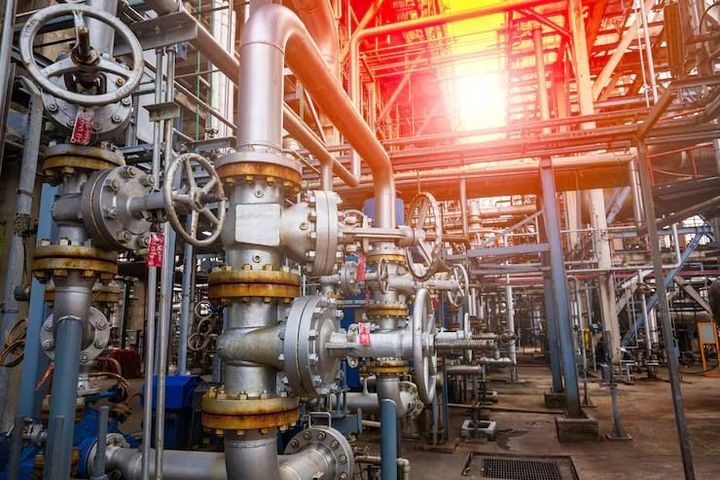
Refinery Process Equipment Guide With Modern Processing and Engineering Insights
Refinery process equipment forms the physical foundation of petroleum refining and related hydrocarbon processing operations. These systems receive raw feedstocks, separate different components, remove unwanted materials, and convert selected fractions into useful products through controlled physical and chemical processes.
A modern refinery process equipment system can include distillation units, heat exchangers, pumps, compressors, reactors, furnaces, separators, storage systems, instrumentation, and environmental control equipment. Understanding how these components work together helps explain how large industrial facilities manage complex processing requirements, energy use, safety, and product quality.
Context
What refinery process equipment means
Refinery process equipment refers to the machinery and engineered systems used throughout a refining facility. Different pieces of equipment perform specific functions, but they operate as interconnected parts of a larger processing network.
Crude feedstock contains hydrocarbons with different physical and chemical characteristics. Refining separates these components and processes selected fractions through several stages. The exact equipment arrangement varies according to the refinery configuration, feed characteristics, processing objectives, and environmental requirements.
A typical process sequence can include:
- Feed preparation, where incoming material is filtered, heated, and conditioned.
- Separation, where hydrocarbon fractions are divided according to physical properties.
- Conversion, where selected fractions undergo controlled chemical reactions.
- Treatment, where unwanted compounds and impurities are reduced.
- Blending, where processed streams are combined to meet specified characteristics.
- Storage and transfer, where finished and intermediate streams are handled through tanks, pipelines, pumps, and related systems.
Main equipment categories
Refinery process equipment can be grouped into several major categories. Separation equipment includes atmospheric and vacuum distillation columns, separators, drums, and fractionation systems. Thermal equipment includes furnaces, boilers, condensers, reboilers, and heat exchangers.
Rotating equipment is another important category. Pumps move liquids through process systems, while compressors handle gases and vapors. Turbines and other mechanical systems can support power generation or drive selected process equipment.
Static equipment remains in fixed positions but performs essential functions. Pressure vessels, storage tanks, reactors, towers, piping systems, and heat exchangers are examples of this category.
How a refinery process system works
A refinery process system generally moves material through multiple controlled stages. Temperature, pressure, flow rate, composition, and residence time can influence how each stage performs.
For example, a distillation column uses differences in boiling characteristics to separate hydrocarbon fractions. Heat is introduced through a furnace or related heating system, while condensers and cooling systems remove heat at appropriate points.
Downstream units can then process individual fractions further. This interconnected design means that equipment selection, process control, maintenance planning, and safety management are closely related.
Importance
Why refinery equipment matters
Refinery process equipment supports the transformation of raw hydrocarbon feedstocks into a range of usable products and intermediate materials. Reliable equipment operation is important because a failure in one process area can affect several connected units.
Equipment condition can also influence energy consumption and environmental performance. Heat exchangers with poor heat transfer, pumps operating outside their intended range, or furnaces with inefficient combustion can increase operational requirements.
Modern engineering therefore focuses not only on basic processing capacity but also on equipment reliability, process integration, monitoring, emissions management, and efficient use of energy.
Who is affected
Refinery equipment affects a wide range of people and industries indirectly. Transportation, manufacturing, chemical processing, construction, agriculture, and logistics can depend on refined hydrocarbon products or materials derived from refinery streams.
Workers at industrial facilities interact directly with process equipment, instrumentation, electrical systems, and safety controls. Engineers and operators monitor operating conditions, while maintenance teams inspect equipment for wear, corrosion, vibration, leakage, and other potential problems.
Communities near industrial facilities can also be affected by environmental controls, noise management, emergency planning, and emissions monitoring. These factors make refinery engineering relevant beyond the physical boundaries of a processing plant.
Common equipment and functions
| Equipment | Primary Function | Typical Process Role |
|---|---|---|
| Distillation column | Separates hydrocarbon fractions | Primary separation |
| Heat exchanger | Transfers heat between streams | Heating and cooling |
| Furnace | Provides controlled process heat | Thermal processing |
| Pump | Moves liquids | Fluid transfer |
| Compressor | Moves and pressurizes gases | Gas handling |
| Reactor | Supports controlled chemical reactions | Conversion |
| Separator | Divides liquid and vapor phases | Process separation |
| Storage tank | Holds process materials | Storage and buffering |
| Flare system | Handles selected excess gases safely | Pressure and emergency management |
| Control system | Monitors and regulates processes | Automation and operation |
Engineering challenges
Refinery process equipment operates under demanding combinations of temperature, pressure, flow, vibration, and chemical exposure. Materials may experience corrosion, erosion, fouling, thermal cycling, or mechanical fatigue.
Another challenge is equipment integration. A component may function correctly by itself but create operational problems if it is poorly matched with upstream or downstream equipment. Engineers therefore evaluate complete process systems rather than isolated machines.
Recent Updates
Digital monitoring and automation
Recent refinery engineering trends increasingly involve digital monitoring, advanced process control, and data-based equipment analysis. Sensors can collect information about temperature, pressure, vibration, flow, and other operating conditions.
Control platforms can use this information to identify changes in operating behavior. Digital models and digital twin technologies are also being applied to represent equipment and process conditions, helping engineering teams examine operating scenarios without relying solely on physical testing.
Predictive equipment analysis
Predictive maintenance techniques are becoming more common across industrial processing environments. Instead of depending only on fixed inspection intervals, facilities can combine equipment history with sensor information to identify patterns associated with developing problems.
Common monitoring methods include vibration analysis for rotating equipment, thermal monitoring for electrical and process components, corrosion monitoring for exposed materials, and performance analysis for pumps and compressors.
Energy and emissions considerations
Energy efficiency remains a major engineering focus. Heat integration can transfer energy between hot and cold process streams, reducing the amount of external heating or cooling required.
Refineries are also evaluating technologies associated with lower-emission operations. These can include improved furnace controls, electrification of selected systems, renewable electricity integration, hydrogen-related process changes, carbon management technologies, and improved flare monitoring.
The practical application of these technologies depends on refinery configuration, feed characteristics, infrastructure, technical requirements, and applicable regulations.
Modern materials and equipment design
Materials engineering continues to influence refinery process equipment. Alloy selection, protective coatings, corrosion-resistant materials, improved seals, and engineered linings can help address demanding process environments.
Equipment design is also increasingly supported by computer-based simulation. Computational fluid dynamics, process simulation, structural analysis, and three-dimensional plant models can help engineers examine equipment behavior and system integration before physical modifications are made.
Laws or Policies
Environmental requirements
Refinery facilities generally operate under multiple environmental requirements covering air emissions, wastewater, waste handling, flaring, fuel combustion, and chemical releases. Specific limits and compliance procedures vary by jurisdiction.
Air-quality rules can address pollutants from furnaces, boilers, process units, storage systems, and combustion equipment. Monitoring systems may be required to measure or estimate emissions from selected sources.
Process safety requirements
Industrial process safety frameworks commonly address hazardous materials, pressure systems, emergency shutdown arrangements, fire protection, equipment inspection, and operational procedures.
Facilities may use formal hazard identification methods such as hazard and operability studies, process hazard analysis, layers of protection analysis, and management-of-change procedures. These approaches are intended to identify potential hazards and control them through engineered and administrative measures.
Pressure and equipment standards
Pressure vessels, piping, boilers, tanks, electrical equipment, and other refinery systems can be subject to technical standards and inspection requirements. Engineering teams generally select applicable standards according to equipment type, operating conditions, location, and regulatory jurisdiction.
Regulatory compliance can therefore influence equipment design, documentation, testing, inspection intervals, instrumentation, and emergency systems.
Tools and Resources
Engineering software
Process simulation platforms can model temperature, pressure, flow, phase behavior, and material balances. These tools are commonly used during process design, equipment evaluation, and operating analysis.
Mechanical engineering software can also support pressure-vessel analysis, piping evaluation, structural calculations, heat-transfer analysis, and fluid-flow studies.
Monitoring and diagnostic tools
Industrial facilities use several types of monitoring equipment to evaluate process conditions. Examples include:
- Pressure and temperature transmitters for process measurement.
- Flow meters for tracking material movement.
- Vibration sensors for rotating machinery.
- Gas detection systems for hazardous atmospheres.
- Corrosion monitoring equipment for material degradation.
- Thermal cameras for identifying unusual heat patterns.
- Online analyzers for selected process composition measurements.
Planning and documentation resources
Engineering teams may use equipment datasheets, piping and instrumentation diagrams, process flow diagrams, inspection records, maintenance histories, operating procedures, equipment registers, and risk assessment documents.
These resources help connect individual refinery process equipment items with the wider processing system and provide information for engineering, inspection, maintenance, and operational planning.
FAQs
What is refinery process equipment?
Refinery process equipment includes machinery and engineered systems used to separate, heat, cool, convert, treat, transfer, monitor, and store materials within a refinery. Examples include distillation columns, pumps, compressors, reactors, heat exchangers, furnaces, and storage systems.
What are the main types of refinery process equipment?
Major categories include separation equipment, heat-transfer equipment, rotating machinery, reactors, pressure vessels, storage systems, piping, instrumentation, and control systems. Each category performs a different function within the overall process.
How does modern refinery process equipment improve monitoring?
Modern equipment can incorporate sensors, automated controls, process analyzers, vibration monitoring, and digital data systems. These technologies provide information about operating conditions and equipment behavior, supporting process analysis and maintenance planning.
Why are heat exchangers important in refinery process equipment?
Heat exchangers transfer thermal energy between process streams. They can heat incoming materials, cool processed streams, condense vapors, or support other temperature-control requirements within refinery operations.
What regulations affect refinery process equipment?
Requirements can cover emissions, wastewater, pressure equipment, hazardous materials, process safety, fire protection, inspection, and emergency systems. Exact requirements depend on the jurisdiction and the type of refinery operation.
Conclusion
Refinery process equipment consists of interconnected systems that separate, heat, convert, treat, transfer, and monitor hydrocarbon streams. Modern refinery engineering increasingly combines conventional machinery with digital monitoring, advanced controls, equipment diagnostics, improved materials, and energy-management technologies. Environmental requirements and process safety frameworks also influence equipment design and operation. Understanding these systems provides a foundation for examining how modern refineries manage complex industrial processing environments.