Shrink Wrap Machines Guide: Types, Working Process, Uses and Selection Factors
Shrink wrap machines are packaging machines that use heat-shrinkable film to enclose products or groups of products in a protective plastic layer. The basic process involves placing a product inside or beneath shrink film, sealing the film around it, and applying controlled heat so the material contracts around the product.
The technology ranges from small manual equipment to automated systems integrated with conveyor lines. Understanding the types, working process, film materials, applications, safety requirements, and selection factors helps explain how shrink wrapping fits into modern packaging operations.
Understanding Shrink Wrap Machines
What is a shrink wrap machine?
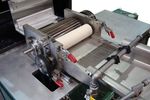
A shrink wrap machine is equipment designed to wrap products with a heat-sensitive plastic film. When the film is exposed to controlled heat, it contracts and forms a closer layer around the product.
The machine itself may perform one or several stages of the process. Depending on its design, it can feed film, position the product, create a seal, cut the film, apply heat, and move the wrapped item to the next stage.
Shrink wrapping is different from stretch wrapping. Stretch wrapping relies mainly on mechanical stretching of film around a load, while shrink wrapping uses heat to produce contraction in the film.
Where the technology comes from
Heat-shrinkable plastics became increasingly useful for packaging as polymer films and heat-control equipment developed. Over time, manufacturers introduced sealing bars, heat tunnels, conveyors, sensors, and automated controls to make the process more consistent.
Today, shrink wrapping can be adapted to individual products, multipacks, cartons, trays, and grouped items. Machine design depends largely on product dimensions, film characteristics, production volume, and the level of automation required.
Why Shrink Wrap Machines Matter
Packaging has to protect products while also allowing them to be handled, stored, displayed, and transported. Shrink wrapping can create a close-fitting layer around an item and can help keep grouped products together during movement.
Common packaging challenges
Shrink wrapping can address several practical packaging requirements:
- Protecting products from dust and surface contamination
- Grouping multiple units into a single package
- Helping reduce movement during handling
- Creating a transparent covering around packaged goods
- Supporting organized storage and transportation
- Providing tamper-evident characteristics when suitable film and sealing methods are used
- Protecting some products from moisture exposure during ordinary handling
The actual level of protection depends on the film, seal quality, package design, environmental conditions, and product characteristics. Shrink film is not automatically a substitute for specialized protective packaging.
Industries using shrink wrapping
Shrink wrapping is found in many applications, including:
- Food and beverage packaging
- Household products
- Printed materials and publications
- Consumer electronics
- Pharmaceutical and healthcare packaging
- Hardware and industrial components
- Cosmetics and personal-care products
- Retail multipacks
- Cartons and grouped packages
Different industries may have additional requirements relating to hygiene, product contact, labeling, temperature, or material composition.
Types of Shrink Wrap Machines
Shrink wrap machines differ according to how products are loaded, sealed, and heated. The appropriate machine type depends on the packaging process and the characteristics of the product.
Manual shrink wrap machines
Manual machines generally require an operator to position the product, place or pull the film into position, and initiate the sealing process. A separate heat source or integrated heating chamber then shrinks the film.
These machines are commonly associated with lower-volume packaging or applications where product sizes change frequently. Their relatively simple operating arrangement can also make them suitable for packaging environments where extensive automation is unnecessary.
Semi-automatic shrink wrap machines
Semi-automatic equipment reduces some manual steps while retaining operator involvement. The operator may position the product and film, while the machine controls sealing, cutting, or shrinking functions.
This arrangement can provide a balance between manual handling and automated movement. It may be used where production requirements are higher than a fully manual process but do not justify a completely automated line.
Automatic shrink wrap machines
Automatic systems can coordinate product feeding, film application, sealing, cutting, and transfer with limited operator intervention. Sensors and programmed controls may be used to synchronize different stages.
These machines are often integrated with conveyors and other packaging equipment. Their design is generally more appropriate for continuous production environments with consistent product dimensions and established packaging patterns.
L-bar shrink wrap machines
L-bar machines use an L-shaped sealing mechanism to create two film seals in a single operation. The product is positioned within folded film, and the sealing bar closes around two edges.
L-bar equipment can handle a range of product shapes and is often paired with a shrink tunnel. Film width, package dimensions, sealing temperature, and conveyor configuration are important operating considerations.
Side-seal shrink wrapping machines
Side-seal machines use a continuous sealing mechanism along the side of the package. This configuration can accommodate products with different lengths and can be integrated into automated packaging lines.
It is commonly considered when consistent product feeding and continuous film sealing are required.
Shrink tunnels
A shrink tunnel is a heated chamber through which wrapped products pass. Controlled heat causes the film to contract around the product.
A tunnel can be used with several types of sealing equipment. Important factors include tunnel dimensions, heating method, conveyor speed, temperature control, and product sensitivity to heat.
How a Shrink Wrap Machine Works
The exact sequence varies by machine design, but most shrink wrapping processes follow several basic stages.
Film placement
The product is positioned within or beneath shrink film. Depending on the machine, film may come from a roll and pass through guides before reaching the product.
Film selection depends on product dimensions, required appearance, strength requirements, sealing characteristics, and the temperature range needed for shrinking.
Sealing and cutting
The film is sealed around the product using a heated sealing element or another compatible sealing mechanism. The excess film may be cut away during the same operation.
Seal temperature and contact time need to correspond with the film being used. Excessive heat can damage film or products, while insufficient heat may result in weak or incomplete seals.
Heat shrinking
The partially sealed package passes through a heated chamber or receives controlled heat from another source. The film contracts and conforms more closely to the product shape.
Air circulation, temperature, exposure time, and conveyor speed influence the final appearance. Products that contain heat-sensitive materials may require particular process controls.
Cooling and inspection
After shrinking, the package may pass through a cooling area before being handled further. Operators or automated systems can inspect the seal, film position, package appearance, and overall integrity.
A consistent process can reduce wrinkles, open seals, excessive film, and incomplete shrinking.
Key Factors for Selecting a Shrink Wrap Machine
Selecting equipment requires consideration of the complete packaging process rather than machine size alone.
| Selection factor | What to examine | Why it matters |
|---|---|---|
| Product dimensions | Length, width, height, shape | Determines machine and film requirements |
| Product material | Plastic, glass, metal, paper, etc. | Influences heat sensitivity and handling |
| Packaging volume | Units per hour or shift | Helps determine automation level |
| Film type | Material, thickness, width | Affects sealing and shrinking behavior |
| Sealing method | L-bar, side seal, continuous seal | Determines package format |
| Heat system | Tunnel size and temperature control | Affects shrink quality |
| Conveyor | Width, speed, load capacity | Determines product movement |
| Space | Machine footprint and access area | Affects installation planning |
| Controls | Manual controls, sensors, programmable settings | Influences process consistency |
| Safety features | Guards, interlocks, emergency controls | Helps reduce machine-related hazards |
Product size and shape
Product dimensions are among the first factors to evaluate. Irregular shapes may require different film arrangements or conveyor configurations than rectangular cartons.
Products should also be assessed for sharp edges, delicate surfaces, heat sensitivity, and stability during movement through the machine.
Film compatibility
Shrink films differ in composition and performance. Common categories include polyethylene, polypropylene, PVC, and polyolefin films, although the appropriate material depends on the application and applicable regulations.
Film thickness, shrink characteristics, sealing temperature, transparency, strength, and intended product contact should all be considered before establishing operating settings.
Production requirements
Packaging volume influences whether manual, semi-automatic, or automatic equipment is appropriate. A process involving frequent product changes may require different equipment characteristics from a continuous line handling a standardized package.
The machine should also be evaluated for changeover requirements, conveyor speed, product spacing, and integration with upstream and downstream equipment.
Recent Developments in Shrink Wrapping
From 2024 through 2026, shrink wrapping has continued to develop alongside broader changes in packaging automation, material efficiency, and sustainability.
Automation and process monitoring
Modern packaging equipment increasingly incorporates sensors, programmable controls, automated product detection, and digital monitoring. These features can help coordinate film feeding, sealing, conveyor movement, and heat application.
Automation is also increasingly connected with broader production-line controls, allowing packaging equipment to exchange operating information with other machinery.
Material efficiency
Packaging operations are paying greater attention to film thickness, package dimensions, material use, and recyclability. Equipment settings can influence how much film is required for a particular package.
Packaging regulations are also increasing attention on material reduction and recyclability. In the European Union, the Packaging and Packaging Waste Regulation entered into force in 2025 and began applying from August 2026, with requirements covering packaging design, composition, reuse, recovery, and waste management.
This development is relevant to shrink wrapping because some forms of single-use plastic grouped packaging, including certain shrink-wrap formats, are addressed by the regulation.
Improved control systems
Temperature control and conveyor synchronization remain important areas of machine development. Digital controls can allow operators to adjust settings for different film types and package sizes while monitoring operating conditions.
These developments do not remove the need for suitable film selection and process testing. Machine settings still need to correspond with the particular product and packaging material.
Laws, Safety Rules, and Packaging Policies
Shrink wrap machines are subject to workplace safety requirements, machinery regulations, and packaging rules that vary by country and application.
Machine safety
Heat-sealing equipment contains heated surfaces, moving mechanisms, electrical components, and potential pinch points. Appropriate guarding and safety controls are therefore important.
For example, U.S. Occupational Safety and Health Administration guidance states that machinery with hazardous moving parts must have appropriate safeguarding, including protection from point-of-operation and other mechanical hazards.
Safety arrangements may include physical guards, interlocks, emergency controls, suitable operating procedures, and lockout procedures during maintenance. The exact requirements depend on the jurisdiction and machine configuration.
Packaging regulations
Packaging regulations can address material composition, labeling, recycling, waste management, and restrictions on particular packaging formats. Requirements may differ depending on the destination market and the type of product being packaged.
Businesses operating across borders therefore need to consider the rules applicable to the market where packaged products are placed. General information should be supplemented with the relevant regulatory authority's current requirements.
Tools and Resources for Shrink Wrapping
Several practical resources can support equipment planning and process evaluation.
Film selection charts
Film manufacturers and technical resources commonly provide information about film thickness, shrink temperature ranges, sealing characteristics, and recommended applications. Such charts can help compare material characteristics before testing.
Machine capacity worksheets
A basic worksheet can record product dimensions, package weight, required units per hour, film width, conveyor speed, sealing method, and available floor space. This creates a structured basis for evaluating machine specifications.
Packaging calculators
Packaging calculators can help estimate film dimensions, package volume, material usage, and conveyor requirements. Results should be treated as planning estimates because actual requirements depend on machine design and film behavior.
Safety checklists
A machine safety checklist can include:
- Guard condition
- Emergency stop operation
- Electrical connections
- Heated surface protection
- Conveyor access points
- Film-cutting areas
- Interlock operation
- Maintenance procedures
- Operator training
- Lockout procedures
Such checklists should complement the applicable workplace safety requirements rather than replace them.
FAQs
What is a shrink wrap machine used for?
A shrink wrap machine encloses products or groups of products in heat-shrinkable film. The film is sealed and heated so it contracts around the packaged item.
What are the main types of shrink wrap machines?
Common types include manual, semi-automatic, automatic, L-bar, side-seal, and shrink-tunnel systems. Some machines combine sealing and shrinking functions, while others use separate equipment for each stage.
How does a shrink wrap machine work?
The process generally involves positioning a product in shrink film, sealing and cutting the film, applying controlled heat, and allowing the package to cool before further handling or inspection.
What factors should be considered when selecting a shrink wrap machine?
Important factors include product dimensions, product shape, packaging volume, film type, sealing method, heat requirements, conveyor arrangement, available space, machine controls, and safety features.
What film is used in shrink wrapping?
Shrink wrapping can use several film materials, including polyethylene, polypropylene, PVC, and polyolefin. The appropriate film depends on the product, required package characteristics, sealing process, heat conditions, and applicable packaging requirements.
Conclusion
Shrink wrap machines combine film handling, sealing, heat application, and product movement to create compact protective packages. Manual, semi-automatic, automatic, L-bar, side-seal, and tunnel-based systems address different packaging requirements. Machine selection depends on product characteristics, film compatibility, packaging volume, heat requirements, available space, and safety considerations. Recent developments have placed greater attention on automation, process control, material efficiency, and packaging regulations, making these factors increasingly relevant when evaluating shrink wrapping processes.