Smart CNC Systems Explained: Types, Components, Applications, Benefits and Selection Considerations
Smart CNC systems are computer-controlled manufacturing systems that use digital instructions, sensors, software, and automated machine movements to produce parts with defined dimensions. CNC stands for Computer Numerical Control, a technology that directs machines such as milling machines, lathes, routers, and cutting equipment. Smart CNC systems extend traditional CNC technology by incorporating monitoring, connectivity, data analysis, and automated adjustments where supported.
Context
Smart CNC systems are computer-controlled manufacturing systems that use digital instructions, sensors, software, and automated machine movements to produce parts with defined dimensions. CNC stands for Computer Numerical Control, a technology that directs machines such as milling machines, lathes, routers, and cutting equipment. Smart CNC systems extend traditional CNC technology by incorporating monitoring, connectivity, data analysis, and automated adjustments where supported.
The origins of CNC technology date to the development of numerical control systems in the twentieth century, when manufacturers began using coded instructions to control machine movements. As computer technology advanced, these systems became more flexible and capable of handling complex designs. Modern smart CNC systems connect machine operations with digital design tools, production monitoring, and manufacturing data systems.
Understanding Smart CNC Technology
A conventional CNC machine follows a programmed sequence to move cutting tools, workpieces, or other machine components. A smart CNC system may also collect information about machine condition, tool wear, production progress, temperature, vibration, and operating performance. Depending on its configuration, it can display this information to operators or support automated responses to changing conditions.
Smart CNC technology is used in manufacturing environments that require repeatable operations and accurate component production. Examples include automotive parts, aerospace components, electronic housings, medical equipment components, industrial machinery, and furniture manufacturing. The capabilities of each system depend on the machine design, control software, sensors, and connected equipment.
Main Types of Smart CNC Systems
Different CNC systems are designed for particular materials, movements, and manufacturing processes.
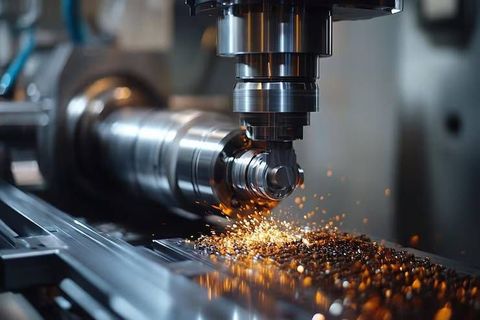
CNC milling systems: Remove material using rotating cutting tools to create slots, holes, surfaces, and complex shapes.
CNC turning systems: Rotate a workpiece while a cutting tool shapes it, commonly producing cylindrical components.
CNC routing systems: Cut or engrave materials such as wood, plastics, composites, and certain soft metals, depending on machine capability.
CNC laser cutting systems: Use a controlled laser beam to cut or engrave compatible materials.
CNC plasma cutting systems: Use an electrically conductive plasma jet to cut suitable conductive metals.
CNC grinding systems: Use abrasive wheels to refine dimensions and surface finishes.
Multi-axis CNC systems: Control movement along several axes, allowing the production of geometrically complex parts with fewer repositioning steps.
Some machines combine several operations in one setup. Smart features can be added to different CNC types, but not every machine includes advanced sensing, network connectivity, or automatic optimization.
Importance
Smart CNC systems matter because manufacturing depends on consistent dimensions, controlled production processes, and efficient use of materials and machine time. Industries producing repeated components may need to maintain similar specifications across large batches while also accommodating design changes. Digital control helps manage these requirements by following programmed instructions rather than relying entirely on manual machine movements.
These systems can also help operators identify production problems earlier. For example, unusual vibration, rising spindle temperature, or unexpected tool wear may indicate that a machine requires inspection. Monitoring can help reveal these conditions, although detecting a warning does not automatically identify the underlying cause.
Key Components of Smart CNC Systems
A smart CNC system combines mechanical equipment with control hardware and digital tools.
CNC controller: Interprets programmed instructions and coordinates machine movements.
Drive motors and actuators: Move machine axes and control the position of tools or workpieces.
Spindle and tooling: Hold and rotate cutting tools or workpieces, depending on the machine type.
Sensors: Measure conditions such as position, temperature, vibration, pressure, or tool condition.
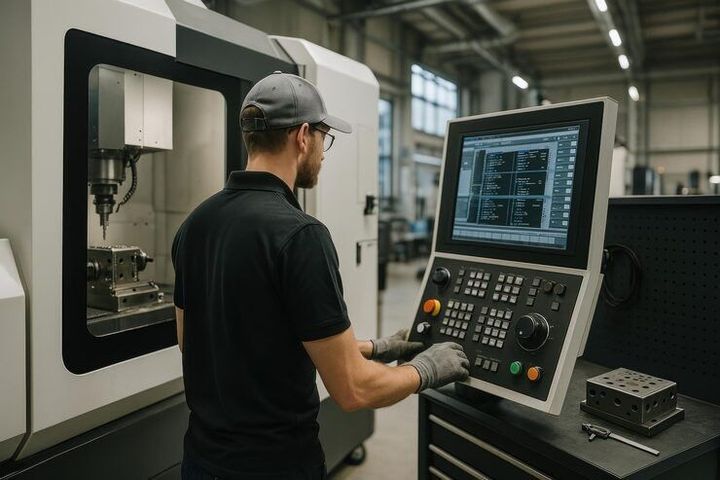
Human-machine interface: Allows operators to enter commands, monitor machine status, and review alerts.
Communication networks: Transfer machine data to connected computers, monitoring platforms, or factory systems.
Manufacturing software: Supports design, toolpath generation, production planning, monitoring, and analysis.
The components must work together within the machine's operating limits. Incorrect sensor readings, poorly configured software, or unsuitable cutting parameters can affect production quality even when the system includes advanced digital features.
Applications Across Industries
Smart CNC technology is used in many manufacturing sectors. Automotive manufacturers may use CNC machining for engine components, housings, and precision fittings. Aerospace production can involve complex metal components that require careful control of dimensions and machining processes.
Electronics manufacturers use CNC equipment to produce enclosures, fixtures, and specialized parts. Furniture and woodworking operations may use CNC routers for panels, decorative patterns, and accurately shaped components. Industrial equipment manufacturers also use CNC systems to produce gears, shafts, brackets, molds, and machine parts.
Potential Benefits and Practical Limitations
Smart CNC systems can support several operational improvements, depending on how they are implemented.
Repeatability: Programmed movements help produce similar parts under consistent operating conditions.
Process monitoring: Sensor data can help operators identify unusual machine behavior.
Production visibility: Digital records can make machine utilization, cycle times, and downtime easier to review.
Design flexibility: Updated digital programs can support changes in part geometry and production requirements.
Maintenance planning: Condition information can help maintenance teams investigate possible wear or equipment faults.
Reduced manual intervention: Automation can handle certain repeated movements and checks.
These benefits are not automatic. Installation, training, programming, maintenance, cybersecurity, and integration with existing equipment all influence the results. Smart features may also add complexity, and sensor data must be interpreted correctly before decisions are made.
Comparing Common CNC System Types
| CNC system | Main operation | Typical applications |
|---|---|---|
| Milling | Removes material with rotating tools | Housings, slots, machine parts |
| Turning | Shapes rotating workpieces | Shafts, bushings, cylindrical parts |
| Routing | Cuts or engraves sheet materials | Furniture panels, signs, composites |
| Laser cutting | Uses a focused laser beam | Sheet-metal profiles, compatible materials |
| Plasma cutting | Uses a plasma jet | Conductive metal plates |
| Grinding | Uses abrasive tools | Precision surfaces and finishing |
| Multi-axis machining | Coordinates several movement axes | Complex industrial components |
Actual capabilities depend on machine specifications, material properties, tooling, programming, and operator procedures.
Recent Updates
From 2024 through 2026, smart CNC development has continued alongside wider adoption of industrial connectivity, artificial intelligence, digital manufacturing platforms, and data-based maintenance. The pace of adoption varies between large factories, small manufacturers, and specialized production facilities. Not every recent CNC machine includes all these technologies.
Artificial Intelligence and Predictive Maintenance
Some manufacturing systems use machine-learning techniques to analyze vibration, temperature, spindle load, tool wear, and other operating information. These tools may help identify patterns associated with equipment deterioration or changes in machining quality. Their accuracy depends on sensor quality, data availability, model design, and the conditions under which they are used.
Predictive maintenance systems estimate when equipment may require attention rather than relying only on fixed maintenance intervals. Such estimates support planning but do not replace inspections, manufacturer instructions, or safety procedures. Unexpected failures can still occur.
Digital Twins and Connected Manufacturing
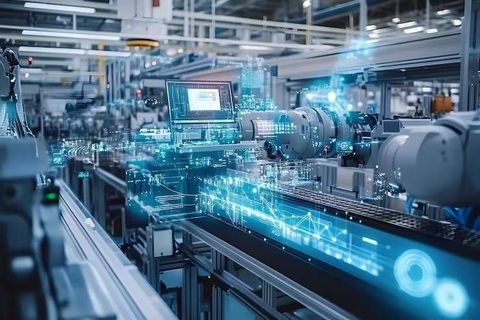
A digital twin is a digital representation of a physical machine, component, or production process. In CNC manufacturing, it may be used to simulate toolpaths, examine machine movements, study process conditions, or compare expected and observed performance. Its usefulness depends on how accurately the digital model represents the real equipment.
Connected CNC systems can also share information with manufacturing execution systems, enterprise planning software, and factory monitoring platforms. This can improve visibility across production activities, although communication standards, legacy equipment, and data security remain important integration challenges.
Laws or Policies
Smart CNC systems are affected by workplace safety rules, machinery requirements, electrical standards, environmental regulations, and data-security practices. The precise requirements depend on the country, machine type, industry, and intended use. Manufacturers and operators must consider both the physical machine and the software and network connections supporting it.
Manufacturing and Machine Safety in India
In India, relevant requirements may include applicable provisions of the Factories Act, 1948, state factory rules, occupational safety requirements, electrical safety rules, and machinery-related standards. The Occupational Safety, Health and Working Conditions Code, 2020, is also part of India's occupational safety framework; its applicability depends on the provisions in force and relevant implementation arrangements.
Machine operators may need suitable training, guarding, emergency-stop access, safe maintenance procedures, and appropriate protective equipment. Risk assessments should consider rotating tools, moving machine axes, flying material fragments, electrical hazards, and unexpected machine activation.
Quality, Environmental, and Cybersecurity Considerations
Manufacturers may use standards such as ISO 9001 for quality management and ISO 12100 for machinery safety risk assessment. These standards support structured approaches to quality and safety but do not automatically establish that every machine or workplace meets all legal requirements.
CNC equipment connected to factory networks can face risks such as unauthorized access, malware, and disruption of production programs. Access controls, network separation, software updates, secure backups, and controlled program changes can help reduce these risks. Environmental rules may also apply to cutting fluids, metal waste, dust, fumes, and industrial emissions, depending on the process and location.
Tools and Resources
Several digital tools support smart CNC planning, programming, monitoring, and maintenance. The appropriate resource depends on the machine controller, material, production process, and operator's technical experience.
CNC Design and Programming Software
Computer-aided design (CAD) software is used to create or modify digital component models. Computer-aided manufacturing (CAM) software converts design geometry into toolpaths and machining instructions. Examples include Autodesk Fusion, Mastercam, and Siemens NX, although their capabilities and licensing arrangements differ.
Machine simulation tools can help users examine tool movements, identify potential collisions, and review machining sequences before production. Simulation depends on accurate machine models, tool definitions, and setup information; it cannot eliminate every operational risk.
Monitoring and Maintenance Resources
Machine dashboards may display spindle load, cycle time, alarms, production counts, and sensor readings. Maintenance records can track inspections, tool changes, machine faults, and corrective actions. Comparing these records over time may help identify recurring issues.
Manufacturer manuals and technical documentation are important sources for controller functions, supported programming codes, maintenance intervals, and operating limits. Training resources from technical institutes and recognized industrial training organizations can also help operators develop programming and machine-safety skills.
FAQs
What is a smart CNC system?
A smart CNC system is a computer-controlled machine that may combine programmed movements with sensors, digital monitoring, connectivity, and data analysis. Its exact features depend on the machine and installed software.
What are the main types of smart CNC machines?
Common types include CNC milling, turning, routing, laser cutting, plasma cutting, grinding, and multi-axis machining systems. Each type supports different materials, shapes, and manufacturing processes.
How does AI improve smart CNC systems?
Artificial intelligence can analyze machine data to identify unusual patterns, support tool-condition monitoring, and assist maintenance planning. Results depend on data quality and system configuration, and human oversight remains important.
Which industries use smart CNC technology?
Automotive, aerospace, electronics, furniture, medical equipment, and industrial machinery manufacturing use CNC technology for different components. The appropriate system depends on material, geometry, precision requirements, and production volume.
What should manufacturers consider when selecting a smart CNC system?
Important factors include the materials being processed, component dimensions, required accuracy, machine capacity, software compatibility, operator training, safety features, maintenance needs, and network security. The system should match the intended production process and operating environment.
Conclusion
Smart CNC systems combine computer-controlled machining with digital monitoring, connectivity, and, in some cases, advanced data analysis. Their applications range from basic component production to complex multi-axis manufacturing across several industries. Performance depends on machine capability, programming quality, operator training, maintenance, and safe integration with factory systems. Understanding these factors provides a practical foundation for evaluating CNC technology.