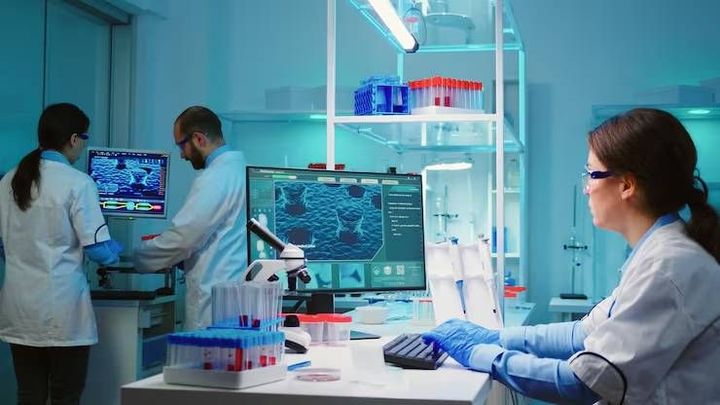
Specialized Laboratory Diagnostics Automation Guide With Precision Testing and Smart Laboratory Solutions
Specialized laboratory diagnostics automation combines laboratory instruments, software, robotics, sample handling systems, and analytical technologies to manage testing processes with greater consistency.
It is used in clinical laboratories, research facilities, biotechnology environments, pharmaceutical laboratories, and other settings where laboratory samples require controlled processing.
Traditional laboratory testing can involve many manual activities, including sample identification, preparation, movement, analysis, result recording, and reporting. As testing volumes and analytical requirements have expanded, laboratories have increasingly adopted automated systems to coordinate these activities.
Laboratory diagnostics automation does not mean that every laboratory task is performed without human involvement. Instead, automation can handle repetitive and structured activities while laboratory professionals remain involved in quality control, interpretation, validation, maintenance, and decision-making.
How Specialized Diagnostics Developed
The development of automated diagnostics followed advances in analytical instruments, computing, robotics, electronics, and laboratory information systems. Early systems focused mainly on individual analytical tasks, while newer laboratory automation environments can connect multiple stages of the testing workflow.
Specialized laboratory diagnostics are particularly important when testing requires controlled sample preparation, precise measurement, repeated procedures, or coordination between several instruments. Automation can help laboratories organize these processes within defined operating procedures.
Smart laboratory solutions extend this approach by connecting instruments and software through digital networks. Data can move between laboratory information systems, analytical platforms, sample tracking systems, and other digital components, creating a more coordinated workflow.
Importance
Why Precision Testing Matters
Precision testing is important because laboratory results can influence clinical assessments, research conclusions, quality investigations, and other technical decisions. Small inconsistencies in sample preparation, measurement, identification, or data handling can affect the reliability of a result.
Automation can support consistency by applying predefined operating steps. For example, an automated system may identify a sample, route it to an appropriate analytical platform, record instrument information, and transfer the resulting data into a laboratory information system.
However, automation does not automatically make every result accurate. Proper calibration, quality control, validated procedures, equipment maintenance, environmental controls, and trained personnel remain important parts of laboratory operations.
Who Uses Laboratory Automation
Specialized laboratory diagnostics automation can be found across several laboratory environments.
- Clinical laboratories use automated systems for activities such as sample processing and analytical testing.
- Research laboratories use automation to manage repeated experiments and large sample groups.
- Biotechnology laboratories use automated platforms for controlled analytical workflows.
- Pharmaceutical laboratories use laboratory automation for quality-related testing and research processes.
- Public health laboratories can use connected systems for structured sample processing and data management.
The appropriate automation level depends on testing volume, sample characteristics, analytical requirements, laboratory layout, available infrastructure, and quality procedures.
Common Problems Addressed by Automation
Laboratories often manage large numbers of samples while maintaining identification and traceability throughout the workflow. Manual handling can introduce opportunities for transcription mistakes, misplaced samples, inconsistent processing times, and workflow interruptions.
Automation can address some of these challenges through barcode identification, robotic sample movement, automated pipetting, digital records, instrument integration, and workflow monitoring. These capabilities can also make it easier to identify where a sample is located within a defined laboratory process.
| Laboratory Area | Automation Function | Potential Operational Benefit |
|---|---|---|
| Sample identification | Barcode or digital identification | Better sample tracking |
| Sample preparation | Automated pipetting and preparation | Consistent processing |
| Analytical testing | Instrument automation | Repeatable test procedures |
| Data handling | Software integration | Reduced manual transcription |
| Quality control | Automated monitoring | Structured quality checks |
| Sample storage | Robotic retrieval systems | Organized sample access |
Recent Updates
Growth of Smart Laboratory Solutions
Recent laboratory developments have focused on connecting individual instruments into broader digital workflows. Rather than treating each analyzer as an isolated system, laboratories increasingly use software platforms capable of coordinating information between multiple devices.
Laboratory information systems and laboratory automation platforms can exchange information about sample identification, test requests, analytical results, and workflow status. This creates a digital record that can support traceability across multiple stages.
Artificial Intelligence and Data Analysis
Artificial intelligence and machine learning are also becoming more visible in laboratory environments. Their applications can include image analysis, pattern recognition, anomaly detection, workflow analysis, and interpretation support.
These technologies generally function as analytical or decision-support components rather than replacements for laboratory professionals. Their usefulness depends on data quality, validation, appropriate implementation, and ongoing performance monitoring.
Robotics and Automated Sample Handling
Robotic systems are increasingly used for repetitive laboratory activities. Automated arms, track systems, liquid-handling platforms, and sample storage equipment can move materials between defined workflow stages.
Automated sample handling is particularly relevant in laboratories processing large numbers of specimens. Systems may combine identification, transportation, preparation, testing, and storage within a coordinated environment.
Greater Focus on Connectivity
Interoperability has become an important part of modern laboratory design. Laboratories may need instruments from different manufacturers to exchange information with laboratory information systems and other digital platforms.
Standardized communication methods can help reduce isolated data systems. At the same time, cybersecurity, access control, data integrity, and system validation have become important considerations as laboratory equipment becomes increasingly connected.
Laws or Policies
Regulatory Frameworks for Laboratory Diagnostics
Laboratory diagnostics automation is shaped by different regulatory frameworks depending on the country and the intended use of the equipment. Requirements may apply to diagnostic instruments, in vitro diagnostic products, laboratory operations, software, data protection, quality management, and equipment validation.
Many laboratories use quality management frameworks based on internationally recognized laboratory standards. ISO 15189 is an important example for medical laboratories, covering quality and competence requirements.
In India, medical laboratory activities can be influenced by frameworks involving the Central Drugs Standard Control Organisation and applicable in vitro diagnostic regulations. Laboratories may also use accreditation frameworks associated with the National Accreditation Board for Testing and Calibration Laboratories. Requirements can differ according to the laboratory's activities and the type of diagnostic equipment involved.
Data Protection and Laboratory Information
Smart laboratory solutions generate and process substantial amounts of digital information. Where patient or personally identifiable information is involved, applicable privacy and data protection requirements must be considered.
Laboratories generally need controls covering user access, data integrity, record retention, system security, and appropriate handling of sensitive information. The exact requirements depend on jurisdiction, laboratory type, and the nature of the information being processed.
Validation and Quality Control
Automated laboratory systems normally require documented procedures for installation, configuration, validation, calibration, maintenance, and performance monitoring. These activities help establish whether an automated workflow performs according to its intended specifications.
Quality control can include reference materials, control samples, instrument checks, environmental monitoring, and review of unusual results. Human oversight remains important even when a laboratory has extensive automation.
Tools and Resources
Laboratory Information Systems
A laboratory information system, commonly called an LIS, manages information associated with laboratory testing. Depending on its configuration, an LIS can manage test requests, sample identification, results, records, and reporting workflows.
Integration between an LIS and automated laboratory equipment can reduce repeated data entry and create a more connected testing environment.
Laboratory Automation Platforms
Laboratory automation platforms can coordinate instruments, sample transport, preparation equipment, analyzers, and storage systems. Their configuration varies according to the laboratory's workflow.
Important technical considerations may include throughput, sample compatibility, connectivity, traceability, error handling, maintenance requirements, and compatibility with existing laboratory systems.
Quality Management Templates
Laboratories may use standardized templates for procedures such as equipment validation, calibration records, maintenance schedules, quality control documentation, incident tracking, and workflow verification.
These documents can help organize laboratory operations and create consistent records for internal review or applicable accreditation processes.
Diagnostic Workflow Monitoring
Digital dashboards can provide information about sample status, instrument activity, workflow interruptions, quality indicators, and processing queues. Such tools can help laboratory personnel identify operational issues without manually checking every stage.
When combined with appropriate access controls and data management practices, workflow monitoring can become part of a broader smart laboratory environment.
FAQs
What is specialized laboratory diagnostics automation?
Specialized laboratory diagnostics automation uses instruments, robotics, software, and connected systems to manage defined laboratory testing activities. It can support sample handling, preparation, analysis, data recording, and workflow coordination.
How does precision testing benefit from laboratory diagnostics automation?
Automation can provide consistent execution of predefined procedures and reduce some forms of manual handling and transcription. Accuracy still depends on validated methods, calibration, quality control, equipment condition, and professional oversight.
What are smart laboratory solutions?
Smart laboratory solutions connect laboratory instruments, software, information systems, and monitoring technologies. They can provide coordinated workflows, digital traceability, automated data transfer, and operational visibility.
Is laboratory automation suitable for every laboratory?
No single automation configuration is appropriate for every laboratory. Requirements depend on testing volume, sample types, available equipment, laboratory layout, analytical methods, staffing, and regulatory requirements.
Does laboratory automation replace laboratory professionals?
Laboratory automation generally performs defined and repetitive activities rather than replacing professional judgment. Laboratory personnel continue to have important roles in quality management, result review, validation, troubleshooting, interpretation, and compliance.
Conclusion
Specialized laboratory diagnostics automation combines analytical instruments, robotics, software, and digital systems to coordinate laboratory testing workflows. Precision testing depends on appropriate methods, quality control, calibration, validation, and trained oversight in addition to automation technology. Recent developments have emphasized connected instruments, smart laboratory solutions, robotics, data integration, and artificial intelligence applications. Regulatory and quality requirements remain important considerations as laboratories adopt increasingly digital and automated environments.