Structural Steel Contractors Guide With Advanced Steel Construction and Engineering Solutions
Structural steel contractors play an important role in planning, fabricating, assembling, and installing steel frameworks for buildings and infrastructure.
Structural steel is used in commercial buildings, industrial facilities, warehouses, bridges, factories, and other structures that require strong, carefully engineered support systems. Its strength, adaptability, and ability to span large spaces make it an important material in modern construction.
The development of structural steel construction is closely connected to advances in metallurgy, industrial manufacturing, and engineering design. As steel production techniques improved, engineers gained greater flexibility in creating taller buildings, larger industrial facilities, and more complex architectural structures. Structural steel contractors emerged as essential participants in this process by coordinating the practical work needed to transform engineering drawings into physical structures.
Today, structural steel contractors work alongside architects, structural engineers, general contractors, steel fabricators, and construction managers. Their responsibilities can include reviewing drawings, coordinating material specifications, arranging fabrication, managing lifting operations, and checking installation quality. The exact scope depends on the project contract, the contractor's capabilities, and the requirements established by the design team.
Importance
Why Structural Steel Contractors Matter
Structural steel contractors help connect engineering calculations with construction activities. A steel frame must support its intended loads while maintaining stability during fabrication, transportation, lifting, and final assembly. Errors in measurements, connections, or installation sequences can affect structural performance and create delays or safety concerns.
These contractors are involved in projects affecting a wide range of people and organizations. Building owners depend on properly installed frameworks, construction teams need coordinated work sequences, and occupants rely on structures designed and assembled according to applicable requirements.
Common Applications of Structural Steel
Structural steel construction is used in several sectors because steel components can be manufactured in different shapes and dimensions.
Commercial buildings: Steel columns and beams support offices, retail buildings, and large interior spaces.
Industrial facilities: Steel frameworks accommodate production equipment, platforms, machinery supports, and service areas.
Warehouses and distribution centers: Long-span steel frames create open floor areas for storage and material movement.
Bridges and transport infrastructure: Engineered steel components support roadways, pedestrian routes, and transport structures.
Public and institutional buildings: Steel frameworks are used in educational facilities, healthcare buildings, and community infrastructure.
Challenges Addressed During Construction
Structural steel projects involve technical and logistical challenges. Contractors must coordinate component dimensions, connection details, delivery sequences, crane access, workforce safety, and the availability of installation equipment.
Weather conditions, restricted construction areas, and changes to engineering drawings can also affect progress. Effective coordination between designers, fabricators, and installation teams helps identify potential conflicts before they create larger problems.
Recent Updates
Digital Engineering and Building Information Modeling
Digital engineering has become increasingly important in structural steel construction. Building Information Modeling (BIM) allows project participants to work with coordinated three-dimensional representations of buildings and their structural components.
BIM models can help identify clashes between steel beams, mechanical equipment, electrical systems, and other building elements. Contractors may use these models to plan installation sequences, review connection locations, and coordinate fabrication information with construction drawings.
Automated Steel Fabrication
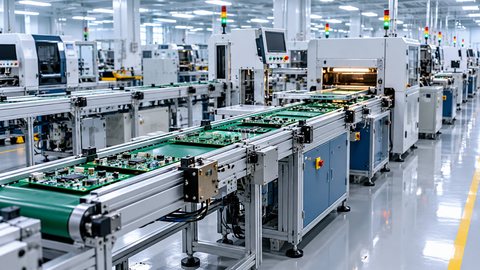
Modern fabrication facilities increasingly use computer-controlled equipment for cutting, drilling, marking, and preparing steel components. These technologies help maintain dimensional consistency and improve the coordination between design information and manufacturing operations.
Automation does not eliminate the need for inspection. Fabricated components still require appropriate checks for dimensions, material identification, weld quality where applicable, and conformity with approved drawings.
Advanced Materials and Connection Systems
Structural engineering continues to use different steel grades and connection arrangements to address specific design requirements. High-strength steel may allow engineers to reduce the dimensions or weight of certain components, depending on the structural system and loading conditions.
Bolted connections, welded joints, and prefabricated assemblies remain important elements of steel construction. The selection depends on engineering calculations, accessibility, fabrication requirements, erection methods, and inspection provisions.
Sustainability and Material Efficiency
Environmental considerations are influencing steel construction planning. Project teams increasingly examine recycled material content, fabrication waste, transportation distances, energy consumption, and the potential for components to be reused or recycled at the end of a structure's life.
Steel is recyclable, although the environmental impact of a particular project depends on production methods, material sourcing, transport, construction practices, and the building's expected lifespan.
| Development | Application | Potential contribution |
|---|---|---|
| BIM coordination | Three-dimensional structural planning | Helps identify design conflicts |
| Automated fabrication | Cutting, drilling, and component preparation | Supports dimensional consistency |
| Advanced steel grades | Structural members and connections | Provides options for strength and weight requirements |
| Digital inspection records | Quality documentation | Improves traceability |
| Material recovery planning | Demolition and renovation | Supports recycling and reuse |
Laws or Policies
Building Codes and Structural Design Requirements
Structural steel contractors must work within the legal and technical framework applicable to the project location. Requirements may cover structural strength, building stability, fire resistance, occupational safety, material specifications, welding procedures, and inspection documentation.
In India, the National Building Code of India provides a broad framework for building planning, construction, and safety. Relevant Indian Standards published by the Bureau of Indian Standards address structural steel design, material requirements, fabrication-related matters, and other engineering considerations. The applicable provisions depend on the building type, structural system, and governing approvals.
Local building authorities may also establish approval procedures, permit requirements, and additional conditions. Requirements can differ between jurisdictions, so project teams need to identify the rules that apply to the specific site.
Workplace Safety and Construction Operations
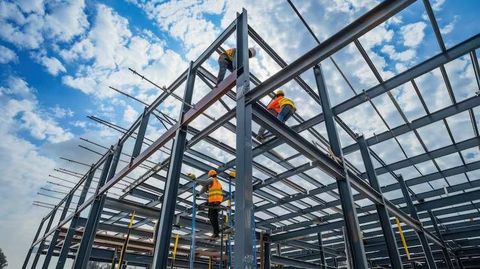
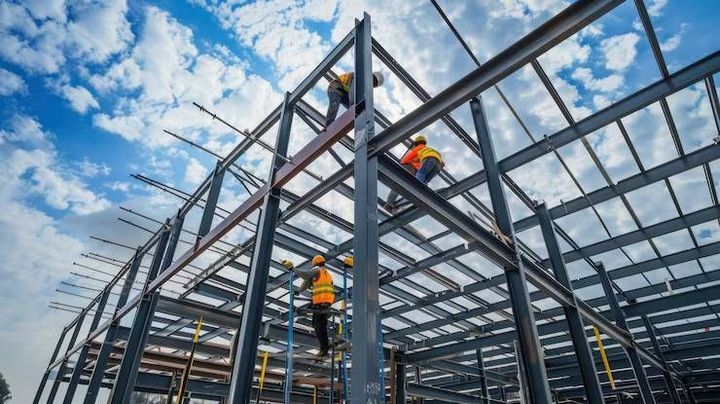
Steel erection involves lifting heavy components, working at heights, operating cranes, and handling tools and machinery. Construction safety requirements may address fall protection, equipment inspection, lifting plans, access platforms, personal protective equipment, and the responsibilities of employers and contractors.
In India, applicable occupational safety legislation and construction-related rules influence workplace arrangements and hazard management. The precise legal requirements depend on the relevant legislation, commencement provisions, state-level rules, and the nature of the construction activity.
Quality Assurance and Documentation
Structural steel projects commonly require documented quality-control procedures. Depending on the contract and applicable standards, these may include material certificates, approved fabrication drawings, welding procedure documentation, welder qualifications, dimensional inspection reports, and records of non-destructive testing where specified.
The following checks are often included in project quality planning:
Material verification: Confirming steel grades, dimensions, and identification records.
Fabrication inspection: Checking component measurements, holes, welds, and connection details.
Erection inspection: Reviewing alignment, stability, bolting, and installation against approved drawings.
Final documentation: Maintaining inspection records and addressing identified defects.
These activities support compliance but do not replace the structural engineer's design responsibilities or the inspections required by the relevant authority.
Tools and Resources
Structural Design and Modeling Software
Structural engineers and steel contractors use digital tools to coordinate designs and construction information. Examples include Tekla Structures for steel detailing and fabrication-related modeling, Autodesk Revit for building information modeling, and STAAD.Pro for structural analysis and design workflows.
The appropriate tool depends on the project's complexity, software compatibility, engineering requirements, and the level of detail needed. Contractors should distinguish between software used for structural analysis and software intended primarily for detailing, coordination, or fabrication.
Estimation and Planning Tools
Project teams use spreadsheets, quantity takeoff tools, scheduling applications, and material tracking systems to organize construction activities. A structural steel quantity estimate may account for member lengths, section weights, connection plates, bolts, allowances for fabrication, and material waste.
A basic planning worksheet can include the following information:
Component mark and drawing reference
Steel section, grade, and dimensions
Quantity and calculated weight
Fabrication status and inspection status
Delivery sequence and erection location
Outstanding approvals or design changes
Such records help project participants track components and coordinate activities across multiple teams.
Engineering Standards and Reference Materials
Useful technical resources include building codes, structural design standards, manufacturer documentation, approved project drawings, and welding and inspection procedures. In India, the Bureau of Indian Standards is a reference point for identifying applicable Indian Standards, while local building authorities provide information about relevant approval requirements.
Resource selection should reflect the project location and contractual requirements. General calculators and online design tools may assist with preliminary checks, but they should not replace verified engineering calculations or project-specific technical reviews.
FAQs
What Do Structural Steel Contractors Do?
Structural steel contractors coordinate activities involved in steel frame construction. Their responsibilities may include reviewing drawings, arranging fabrication, managing steel erection, coordinating lifting equipment, and documenting installation quality.
How Does Structural Steel Construction Work?
Structural steel construction typically begins with engineering design and detailing. Steel components are then fabricated, inspected, transported to the site, lifted into position, connected, aligned, and checked against approved drawings and applicable requirements.
What Factors Influence Structural Steel Project Costs?
Project budgets are influenced by steel grade, total material quantity, design complexity, fabrication requirements, connection details, transport, crane operations, site access, inspection, and project duration. Changes in material prices and site conditions can also affect the final budget.
Which Software Do Structural Steel Contractors Use?
Common tools include Tekla Structures for steel detailing, Autodesk Revit for building information modeling, and project scheduling or spreadsheet applications for tracking materials and installation activities. Software selection depends on project requirements and coordination needs.
What Standards Apply to Structural Steel Contractors in India?
Applicable requirements may include the National Building Code of India, relevant Bureau of Indian Standards publications, local building approval conditions, and workplace safety legislation. The specific requirements depend on the project, its location, and the type of construction.
Conclusion
Structural steel contractors help translate engineering designs into assembled frameworks for buildings, industrial facilities, bridges, and other infrastructure. Digital modeling, automated fabrication, material efficiency, and documented quality control continue to influence construction practices. Building codes, engineering standards, and workplace safety requirements establish important boundaries for design coordination and installation activities. Understanding these processes provides a foundation for evaluating how structural steel projects are planned, managed, and completed.