Tea Processing Machines: Insights Into Withering, Rolling, Drying and Sorting Technologie
Tea processing machines are industrial and small-scale equipment used to transform freshly harvested tea leaves into finished tea products.
The process can include withering, rolling, crushing, oxidation, drying, sorting, grading, and packing, depending on the tea variety and production method. Tea processing machines help organize these stages with controlled movement, temperature, moisture, pressure, and airflow.
Tea has been produced for centuries using manual methods, but increasing production volumes have encouraged the use of mechanical equipment. Today, tea factories and smaller processing units may use individual machines or integrated processing lines. The equipment selected depends on the type of tea, leaf characteristics, production scale, and required processing method.
Context
What Tea Processing Machines Do
Tea processing machines are designed to perform specific stages involved in converting fresh leaves into processed tea. Fresh leaves contain significant moisture and natural compounds that change during processing. Mechanical equipment helps control these changes so that the leaves develop the physical and chemical characteristics associated with different tea categories.
Common stages include:
Withering to reduce moisture and make leaves more suitable for further processing
Rolling or crushing to break and shape leaf tissue
Oxidation to allow controlled chemical changes in selected tea types
Drying to reduce remaining moisture and stabilize the processed leaf
Sorting and grading to separate tea according to particle size and form
Cleaning and handling to move material between processing stages
Packing to prepare finished tea for storage and distribution
Not every tea follows the same sequence. Green tea, black tea, oolong tea, and other varieties require different combinations of temperature, moisture, mechanical treatment, and oxidation.
Main Types of Tea Processing Machines
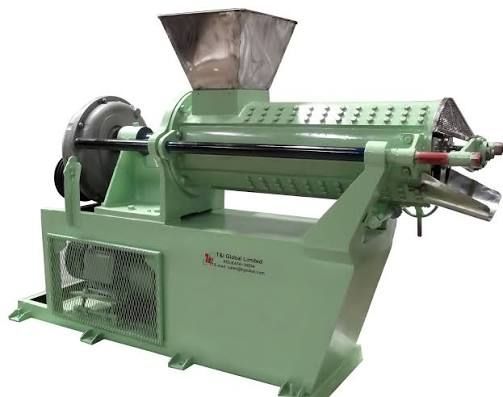
Tea processing machines can be grouped according to their function. Withering troughs and withering machines circulate controlled air around freshly harvested leaves. Rolling machines apply mechanical pressure and movement to shape leaves and release internal compounds.
For black tea production, crushing-tearing-curling equipment may be used to reduce leaves into smaller particles. Fermentation or oxidation rooms provide controlled environmental conditions for the oxidation stage, while tea dryers use heated air to reduce moisture.
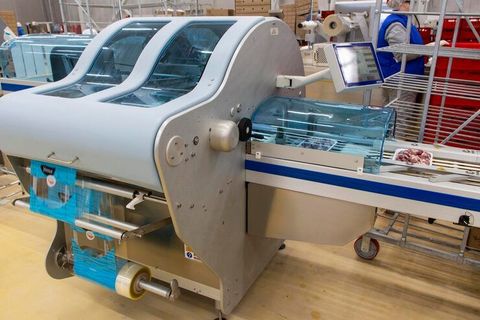
Sorting machines, vibrating screens, fiber extractors, color sorters, and grading equipment can be used after drying. Packing equipment may then measure, fill, seal, or package the finished tea.
Basic Processing Flow
A simplified processing sequence can be represented as follows:
| Processing stage | Main purpose | Common equipment |
|---|---|---|
| Leaf reception | Receive and inspect fresh leaves | Receiving conveyors, weighing equipment |
| Withering | Reduce leaf moisture | Withering troughs, air systems |
| Rolling | Shape and disrupt leaf tissue | Tea rolling machines |
| Crushing | Reduce leaf size where required | CTC or cutting equipment |
| Oxidation | Control natural chemical changes | Oxidation rooms and trays |
| Drying | Reduce moisture and stabilize tea | Fluid-bed or hot-air dryers |
| Sorting | Separate particles and materials | Screens, sorters, color systems |
| Grading | Classify tea by physical characteristics | Vibratory graders, sieves |
| Packing | Prepare tea for storage and distribution | Filling and sealing equipment |
Importance
Improving Process Consistency
Tea leaves can vary according to cultivar, weather, harvesting conditions, maturity, and storage time before processing. Mechanical equipment allows processors to control important operating conditions more consistently than manual handling alone.
For example, withering equipment can regulate airflow across a leaf bed, while dryers can control heated air movement and exposure time. These controls are important because excessive moisture or heat can affect the characteristics of the finished tea.
Supporting Different Tea Categories
Different tea categories require different processing conditions. Green tea generally uses heat treatment to limit oxidation, while black tea involves substantial oxidation before drying. Oolong tea uses an intermediate approach with controlled oxidation.
This means tea processing machines are not interchangeable in every production setting. A processor needs to consider the intended tea type, leaf condition, production scale, and process sequence before selecting equipment.
Reducing Manual Handling
Large quantities of freshly harvested leaves can be difficult to move and process manually. Conveyors, elevators, feeders, and automated handling systems can reduce repeated physical movement and help maintain a continuous production flow.
Mechanical handling can also reduce unnecessary compression or contamination caused by excessive manual contact. Proper equipment cleaning and maintenance remain important because tea is a food product.
Supporting Quality Control
Tea quality is influenced by leaf condition, moisture, temperature, oxidation, particle size, and storage conditions. Processing equipment can provide measurable operating parameters that help production personnel identify variations.
Useful monitoring points may include:
Leaf moisture before and after withering
Air temperature during drying
Processing duration
Airflow through drying equipment
Particle size after grading
Weight during packing
Storage humidity
These measurements do not replace laboratory or sensory evaluation, but they provide useful process information.
Recent Updates
Automation and Digital Monitoring
From 2024 through 2026, tea processing has increasingly reflected broader manufacturing trends toward automation and digital monitoring. Modern equipment may include programmable controls, temperature sensors, moisture measurement, variable-speed drives, and digital operating displays.
These technologies can help personnel monitor processing conditions and identify deviations during production. Data recording can also make it easier to compare batches and investigate process variation.
Machine Vision and Optical Sorting
Optical sorting technologies are becoming more relevant in agricultural and food-processing applications. Camera-based systems can inspect tea particles according to visible characteristics such as color, shape, or foreign material.
The exact capabilities vary by equipment design and tea type. Optical systems generally work alongside conventional screening, grading, and quality-control methods rather than replacing every inspection stage.
Energy and Resource Management
Drying is one of the important energy-consuming stages in many tea-processing systems because moisture must be removed using heated air. Equipment development has therefore focused on airflow control, heat management, insulation, and improved monitoring.
Processors are also examining heat recovery, efficient motors, controlled fans, and improved drying chamber designs. The practical results depend on equipment configuration, fuel source, climate, and operating conditions.
More Flexible Processing Lines
Tea-processing facilities increasingly require equipment that can accommodate variations in leaf quantity and product format. Adjustable conveyors, variable-speed drives, modular processing units, and programmable controls can support changes in production conditions.
This flexibility is particularly relevant where several tea categories or particle grades are processed using related equipment.
Laws or Policies
Food Safety Requirements in India
Tea processing in India is governed by food-safety requirements that apply to food businesses and processing facilities. The Food Safety and Standards Authority of India (FSSAI) establishes requirements related to food safety, hygiene, contaminants, packaging, labeling, and related areas.
Tea processors need to consider the applicable FSSAI regulations for their activities, product category, packaging format, and facility operations. Requirements can vary according to the nature and scale of the food business.
Tea Board of India
The Tea Board of India operates under the Ministry of Commerce and Industry and has responsibilities connected with the tea sector. Its framework covers areas such as tea production, development, quality-related activities, and industry administration.
Businesses involved in tea processing should check the current Tea Board requirements applicable to their activity, location, and processing category.
Workplace and Environmental Requirements
Tea-processing facilities also need to consider occupational safety requirements, machinery safeguards, electrical safety, ventilation, fire protection, and worker training. The Occupational Safety, Health and Working Conditions Code, 2020 forms part of India's broader workplace regulatory framework, subject to its applicable implementation and rules.
Environmental requirements may involve the Central Pollution Control Board and relevant State Pollution Control Boards. Facilities should assess applicable requirements for wastewater, solid waste, emissions, noise, fuel use, and other environmental aspects.
Packaging and Label Information
Packaged tea must comply with applicable food-labeling and packaging requirements. Information may include product identity, net quantity, manufacturer or packer details, batch information, dates, and other particulars required under applicable Indian rules.
Because regulatory requirements can change, processors should consult current FSSAI, Tea Board, BIS where applicable, and other government sources relevant to their operations.
Tools and Resources
Processing and Measurement Tools
Several tools help monitor tea processing:
Moisture meters for checking leaf or finished tea moisture
Temperature sensors for dryers and processing areas
Digital weighing systems for batch measurement
Airflow measurement instruments for drying systems
Sieves and grading screens for particle-size separation
Data loggers for recording operating conditions
Laboratory equipment for moisture and quality analysis
The appropriate instrument depends on the processing stage and the type of measurement required.
Information Resources
Useful reference sources include the FSSAI website for food regulations, the Tea Board of India for tea-sector information, the Bureau of Indian Standards for applicable standards, and the Central Pollution Control Board for environmental guidance.
Equipment manuals and technical documentation are also important resources. They provide information about operating ranges, cleaning procedures, electrical requirements, maintenance intervals, and safety precautions.
FAQs
What are tea processing machines used for?
Tea processing machines are used for stages such as withering, rolling, crushing, oxidation, drying, sorting, grading, and packing. The equipment required depends on the tea category and production method.
Which machines are commonly used in black tea processing?
Black tea processing may involve withering equipment, rolling or crushing-tearing-curling machines, oxidation areas, dryers, sorting equipment, graders, and packing systems. The exact sequence varies according to the manufacturing method.
How do tea processing machines affect tea quality?
Machines influence important processing conditions such as moisture, temperature, airflow, pressure, processing duration, and particle size. Consistent control of these factors can help maintain a repeatable processing method.
Are tea processing machines suitable for small processing units?
Some equipment is designed for relatively small production volumes, while other systems are intended for larger factories. Selection depends on leaf quantity, tea type, available space, power requirements, and the desired production sequence.
What should be monitored when using tea processing machines?
Important parameters can include leaf moisture, temperature, airflow, processing duration, machine speed, particle size, and final moisture. Regular inspection and appropriate cleaning are also important for food-processing equipment.
Conclusion
Tea processing machines support the conversion of freshly harvested leaves into different tea products through controlled mechanical and thermal stages. Equipment may include withering systems, rolling machines, oxidation facilities, dryers, sorting systems, graders, and packing equipment. Developments from 2024 to 2026 have emphasized automation, digital monitoring, optical inspection, resource management, and flexible processing. In India, tea processors also need to consider applicable food-safety, tea-sector, workplace, environmental, and packaging requirements.