Tree Removal Services Basics With Planning, Equipment, and Property Protection
Tree removal is the controlled process of taking down a tree or selected parts of a tree when its condition, location, or growth creates a property-management concern. Tree removal planning involves evaluating the tree, surrounding structures, access routes, equipment requirements, and methods needed to bring branches and the trunk down in a controlled way.
Trees can become difficult to manage when they are damaged by storms, affected by disease, growing into structures, interfering with utility infrastructure, or occupying space needed for construction. In other situations, a tree may be structurally unstable because of decay, root problems, severe leaning, or long-term environmental stress. These conditions can make removal a technical activity rather than a simple cutting task.
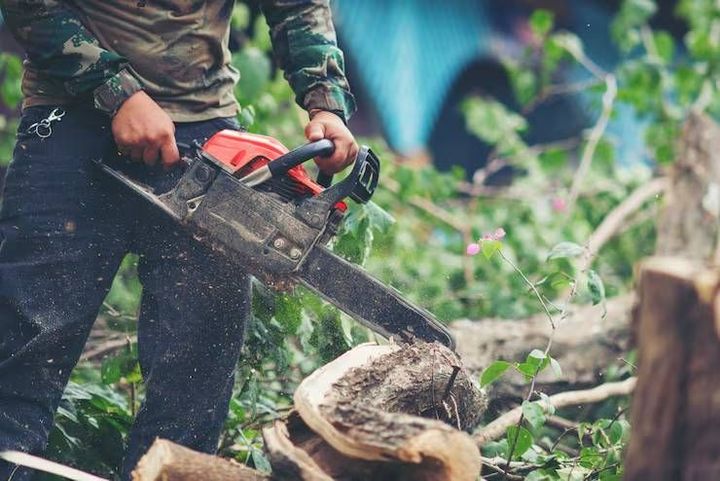
Tree removal equipment varies according to the tree's size, location, surrounding obstacles, and access conditions. Common equipment can include chainsaws, ropes, rigging systems, ladders, chippers, stump grinders, lifting equipment, and protective barriers. Larger or more complicated projects may require specialized machinery that allows sections of the tree to be lowered rather than dropped.
A typical planning process starts with identifying the tree and examining its surroundings. Important factors include trunk diameter, height, branch structure, soil conditions, nearby buildings, fences, vehicles, overhead utilities, pedestrian areas, and possible escape routes. Understanding these elements helps determine which removal method and equipment are appropriate.
Importance
Why Tree Removal Planning Matters
Tree removal can affect more than the tree itself. Branches and trunks can damage roofs, windows, fences, vehicles, gardens, paving, and underground infrastructure if they are not controlled during the process. Planning therefore focuses on reducing unintended impact on nearby property.
Property protection is especially important in confined spaces. A tree located between a building and a boundary may have very limited space for branches to fall naturally. In such situations, controlled lowering techniques can allow individual sections to be moved toward a designated landing area.
Tree condition is another important consideration. Signs that may require closer assessment include:
- Large dead branches or extensive branch dieback
- Significant trunk cavities or visible decay
- Severe leaning that has recently changed
- Cracked or separated branches
- Damaged or exposed roots
- Storm-related trunk or crown damage
- Branches making contact with structures or utility infrastructure
These signs do not automatically mean that removal is necessary. They indicate that the tree may require a more detailed assessment before decisions are made.
People and Property Affected
Tree removal planning can involve homeowners, landlords, property managers, construction teams, landscape professionals, utility operators, and local authorities. The surrounding community may also be affected when work takes place near roads, sidewalks, shared boundaries, or public spaces.
For everyday property owners, the main concerns often involve access, debris management, noise, temporary restrictions, and protection of existing structures. A clear site assessment helps identify these factors before equipment arrives.
| Planning Factor | Main Consideration | Potential Concern |
|---|---|---|
| Tree height | Overall size and structure | Falling branches or trunk sections |
| Tree location | Distance from buildings and boundaries | Property impact |
| Access | Space available for equipment | Restricted movement |
| Branch structure | Weight and direction of limbs | Uncontrolled movement |
| Ground conditions | Soil, slopes, and obstacles | Equipment stability |
| Utilities | Overhead or underground infrastructure | Infrastructure damage |
| Debris | Branches, logs, and foliage | Cleanup and access |
Recent Updates
Changing Equipment and Techniques
Recent developments in tree removal equipment have focused on improving control, access, and efficiency. Compact machinery is increasingly useful in locations where large equipment cannot easily enter. Smaller tracked machines, compact chippers, remote-controlled equipment, and specialized lifting systems can help handle trees in restricted spaces.
Rope-based rigging remains an important technique for controlled removal. Instead of allowing large sections to fall, workers can attach ropes and lower selected pieces gradually. The approach can be useful around buildings, fences, gardens, paved areas, and other sensitive locations.
Stump management has also become a more integrated part of planning. After a tree is removed, the remaining stump can interfere with landscaping, construction, access, or future planting. Stump grinders and other mechanical equipment can reduce the visible portion of the stump and create a more manageable surface.
Greater Focus on Site Protection
Current tree removal planning increasingly considers the entire work area rather than only the tree. Protective measures may include temporary barriers, ground protection, designated equipment paths, debris-control zones, and carefully planned landing areas.
Digital tools can also assist with preliminary planning. Mapping applications, aerial imagery, measuring tools, and digital property layouts can help identify structures, access points, boundaries, and other features before physical work begins.
Environmental considerations are another part of modern planning. Depending on local rules and the type of tree, planners may need to consider nesting wildlife, protected vegetation, wood disposal, and opportunities to reuse chipped branches or timber.
Laws or Policies
Local Tree Regulations
Tree removal is often influenced by local rules. Requirements can differ according to the location, tree species, tree size, property type, and proximity to protected areas. Some jurisdictions require permission before certain trees can be removed, while others regulate trees located in public areas, conservation zones, or designated heritage areas.
Property owners may therefore need to determine whether a permit, notification, inspection, or written authorization applies before work begins. Rules can also apply differently to privately owned trees and trees located within public rights-of-way.
Utility and Public Safety Rules
Trees located near electrical lines or other infrastructure can involve additional restrictions. Utility operators may have specific procedures for vegetation near their infrastructure because branches and equipment can create serious hazards.
Public areas can also require traffic management or pedestrian controls. When tree removal affects a sidewalk, road, shared access area, or public space, additional permissions and safety measures may apply.
Because regulations differ between jurisdictions, the relevant municipal, regional, environmental, forestry, or utility authority should be consulted for current requirements. General information cannot replace the rules that apply to a specific property.
Tools and Resources
Tree Assessment Tools
Several tools can support planning and documentation. Measuring tapes or diameter tools can help estimate trunk dimensions, while laser distance meters can assist with height and clearance measurements. Digital mapping applications can help document property boundaries and nearby structures.
A simple planning checklist can include:
- Tree location and approximate dimensions
- Nearby buildings and structures
- Utility lines and infrastructure
- Equipment access points
- Potential branch and trunk landing zones
- Ground conditions and slopes
- Debris collection areas
- Stump location
- Required permissions
- Temporary access restrictions
Equipment Used for Tree Removal
Different equipment serves different purposes. Chainsaws are commonly used for cutting branches and sections of trunks. Ropes, pulleys, and rigging equipment can control the movement of sections, while chippers process smaller branches and foliage.
For larger trees or restricted locations, equipment may include cranes, lifting devices, tracked machines, stump grinders, and specialized access equipment. The appropriate equipment depends on the site's physical conditions rather than tree size alone.
| Equipment | Typical Purpose | Planning Consideration |
|---|---|---|
| Chainsaw | Cutting branches and trunk sections | Tree size and cutting conditions |
| Ropes and rigging | Controlled lowering | Anchor points and load management |
| Wood chipper | Processing branches | Access and debris handling |
| Stump grinder | Reducing remaining stump | Ground access and underground utilities |
| Crane | Lifting large sections | Ground stability and clearance |
| Chipper truck or collection equipment | Moving processed material | Access and loading space |
Digital Resources
Property maps, measurement applications, weather information, tree-identification tools, equipment manuals, municipal planning portals, and safety checklists can provide useful background information. Templates can also help document tree dimensions, site conditions, equipment requirements, permissions, and property-protection measures.
Weather information is particularly relevant because wind, heavy rain, lightning, and unstable ground can affect working conditions. Planning should account for changing site conditions rather than relying only on an initial assessment.
FAQs
What is included in tree removal planning?
Tree removal planning generally includes assessing the tree, identifying surrounding hazards, checking access, selecting appropriate equipment, determining how sections will be controlled, protecting nearby property, and considering debris and stump management.
What tree removal equipment is commonly used?
Common tree removal equipment includes chainsaws, ropes, rigging systems, chippers, stump grinders, ladders, lifting equipment, and protective barriers. Larger or restricted sites may require specialized machinery.
How can property protection be planned during tree removal?
Property protection can involve identifying structures and sensitive areas, establishing landing zones, protecting ground surfaces, controlling branches with ropes, and selecting equipment that fits the available space.
Does tree removal require permission?
Permission requirements depend on local laws and the characteristics of the tree and property. Some jurisdictions regulate specific species, protected trees, public-area trees, or trees within designated environmental zones.
What happens to the tree after removal?
Branches may be processed through a chipper, while larger trunk sections can be cut into manageable pieces. The remaining stump may be left in place or mechanically reduced, depending on the planned use of the area and applicable site requirements.
Conclusion
Tree removal combines site assessment, planning, equipment selection, controlled cutting techniques, and property protection. The surrounding structures, utilities, ground conditions, tree characteristics, and local rules all influence how the work is planned. Modern equipment and digital planning tools can support more controlled approaches, particularly in restricted spaces. Regulations and site conditions should always be considered as part of the overall planning process.