Two-Way Cartridge Valve Explained: Design, Components, Working Principles and Industrial Applications
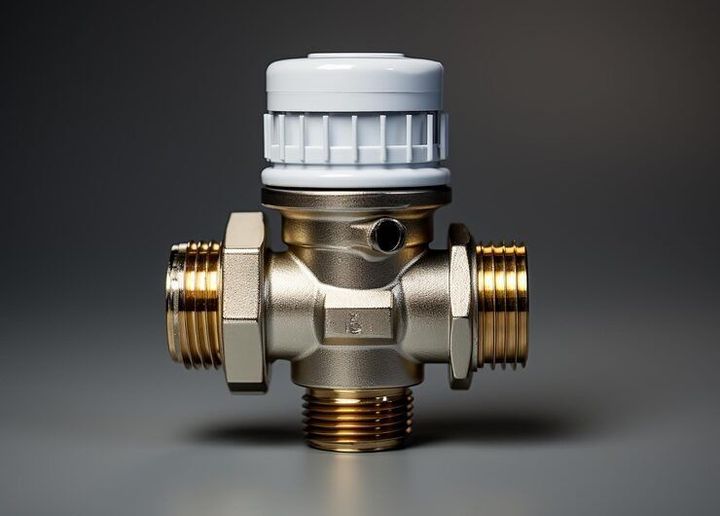
A two-way cartridge valve is a hydraulic control component that regulates the movement of fluid between two ports. It is commonly used in industrial hydraulic systems, where pressurized oil transfers energy to machinery such as lifting equipment, presses, injection molding machines, and automated production systems. The valve helps control whether fluid can pass through a hydraulic circuit or whether the flow should be blocked.
Context
A two-way cartridge valve is a hydraulic control component that regulates the movement of fluid between two ports. It is commonly used in industrial hydraulic systems, where pressurized oil transfers energy to machinery such as lifting equipment, presses, injection molding machines, and automated production systems. The valve helps control whether fluid can pass through a hydraulic circuit or whether the flow should be blocked.
The development of cartridge valves is connected to the need for compact, reliable hydraulic control. Traditional hydraulic valves often use external bodies, multiple connections, and separate mounting arrangements. Cartridge designs place the main operating elements inside a specially prepared cavity in a manifold, allowing several hydraulic functions to fit within a smaller space.
Two-way cartridge valves are part of this broader family of hydraulic components. Their operation depends on fluid pressure, mechanical forces, and the design of the internal moving parts. Depending on the configuration, a valve may open when a pressure condition is reached, close against a spring force, or respond to a separate control signal.
What Is a Two-Way Cartridge Valve?
A two-way cartridge valve controls fluid movement through two main hydraulic connections, commonly called port A and port B. These ports form a passage between two parts of a hydraulic circuit. The valve can permit flow, restrict it, or block it according to its internal design and operating conditions.
The term “two-way” describes the two principal flow connections, while “cartridge” refers to the compact assembly fitted into a manifold cavity. Different designs perform different functions, so not every two-way cartridge valve operates in the same manner.
Main Types of Two-Way Cartridge Valves
Several configurations are used in hydraulic applications. Common examples include:
Normally closed valves: These block the main flow path under specified resting conditions until the required opening force or control pressure is applied.
Normally open valves: These permit flow under their defined resting conditions and close when the required operating conditions occur.
Check valves: These permit fluid movement in one direction while restricting reverse flow.
Pressure-controlled valves: These respond to pressure differences or pilot signals to regulate the main flow path.
Solenoid-operated valves: These use an electromagnetic actuator to change the position of an internal control element.
The exact behavior depends on the valve's construction, pressure settings, spring arrangement, and control method.
Importance
Two-way cartridge valves matter because hydraulic equipment depends on controlled fluid movement to perform mechanical tasks. A hydraulic cylinder, for example, needs an appropriate flow path to extend or retract. A hydraulic motor requires controlled fluid delivery to produce rotation, while a press may need the circuit to hold pressure during a particular stage of operation.
In industrial settings, cartridge valves help engineers arrange multiple control functions within a common manifold. This can reduce the number of external connections and simplify the layout of hydraulic equipment. Fewer exposed connections may also reduce potential leakage points, although correct installation and maintenance remain necessary.
These valves affect several industries and the people who operate their machinery. Manufacturing workers use equipment containing hydraulic controls, maintenance technicians inspect hydraulic circuits, and equipment designers select components that meet pressure and flow requirements.
Problems Addressed by Cartridge Valve Design
A two-way cartridge valve can address several practical hydraulic challenges.
Flow control: It determines whether fluid can move between two connected parts of a circuit.
Pressure management: Certain configurations respond to pressure conditions to help regulate the hydraulic system.
Space limitations: Cartridge assemblies fit into manifold blocks, which can make compact equipment layouts possible.
Circuit organization: Several cartridges can be installed in one manifold to perform separate functions.
Leakage management: Integrated passages can reduce the number of external connections compared with some alternative layouts.
However, the valve itself does not automatically prevent every hydraulic problem. Incorrect sizing, contamination, unsuitable fluid, excessive pressure, and worn internal parts can affect performance.
Two-Way Cartridge Valve Compared With Other Valves
The following table explains the general differences between common hydraulic valve categories.
| Valve type | Main function | Typical application |
|---|---|---|
| Two-way cartridge valve | Controls flow through two main ports | Manifold-based hydraulic circuits |
| Directional control valve | Directs fluid among multiple flow paths | Cylinder extension and retraction |
| Pressure relief valve | Limits pressure by diverting fluid under specified conditions | Hydraulic pressure protection |
| Check valve | Restricts reverse flow | Load holding and one-way flow |
| Flow control valve | Regulates the rate of fluid movement | Controlling actuator speed |
Some cartridge valves also perform check, pressure relief, or flow-control functions. Therefore, the valve's actual function is determined by its internal design rather than its cartridge shape alone.
Recent Updates
Hydraulic valve technology continues to develop alongside industrial automation, energy-efficiency efforts, and compact machine design. Across the 2024–2026 period, a broad industry trend has been the integration of hydraulic components with electronic controls, condition monitoring, and automated machinery. The extent of adoption varies by industry, equipment age, and application.
Integration With Electronic Controls
Modern hydraulic equipment may combine cartridge valves with pressure sensors, electronic controllers, and proportional control components. This arrangement allows a machine to adjust certain hydraulic functions according to operating conditions or programmed instructions.
Not every two-way cartridge valve contains electronics. Many remain mechanically or hydraulically operated, while electronic control is provided by a separate solenoid, pilot stage, or system controller.
Compact Manifolds and Equipment Integration
Equipment designers continue to use manifold-mounted cartridges to organize hydraulic circuits in restricted spaces. This approach is relevant to mobile machinery, industrial presses, agricultural equipment, and automated production lines.
Integrated manifold layouts can simplify the arrangement of hydraulic passages, but designers must still account for heat, pressure losses, fluid compatibility, and access for inspection.
Monitoring and Predictive Maintenance
Industrial operators increasingly use sensors and maintenance software to observe hydraulic pressure, temperature, fluid condition, and machine behavior. Changes in these measurements can help identify possible problems before a component stops functioning.
A two-way cartridge valve may be assessed indirectly through circuit pressure, actuator movement, leakage, or response time. These measurements do not always identify the valve as the source of a fault, so further inspection may be necessary.
Energy and Fluid Efficiency
Hydraulic system design increasingly considers unnecessary pressure losses, heat generation, and energy consumption. Correct valve sizing, appropriate control strategies, and suitable pump operation can contribute to efficient system performance.
These developments represent general engineering trends rather than a single new design adopted across the entire valve industry.
Laws or Policies
Hydraulic cartridge valves are affected by machinery safety requirements, pressure-related regulations, workplace safety rules, and technical standards. The specific requirements depend on the equipment, its intended use, the country where it operates, and whether it forms part of a regulated machine or pressure system.
Relevant Requirements in India
In India, industrial machinery and hydraulic equipment may fall under several regulatory frameworks. The applicable requirements depend on the installation and the equipment category.
Occupational safety: The Occupational Safety, Health and Working Conditions Code, 2020, and related rules and implementation requirements form part of India's workplace safety framework. Applicable provisions govern workplace conditions and machinery-related safety responsibilities.
Pressure equipment: Hydraulic systems must be designed and operated within their specified pressure limits. Additional legal requirements may apply where equipment falls within a regulated pressure-vessel or other designated equipment category.
Product and machinery standards: Applicable Bureau of Indian Standards (BIS) publications may provide relevant technical requirements. Whether a particular standard or certification is mandatory depends on the product and the applicable regulatory provisions.
Environmental and workplace controls: Rules governing oil leakage, waste handling, and industrial operations may apply to facilities using hydraulic equipment.
A two-way cartridge valve does not automatically require one particular certification in every application. Compliance depends on the complete equipment configuration, applicable regulations, and the intended operating environment.
International Technical Standards
International Organization for Standardization (ISO) publications provide technical guidance and standardized terminology for hydraulic systems and components. Relevant standards may address hydraulic fluid power, component mounting interfaces, cleanliness, and safety-related design principles.
Standards published by ISO or other technical organizations are not automatically laws. Their legal status depends on adoption by a government, incorporation into regulations, or contractual requirements. Equipment designers and operators must identify the requirements that apply to their specific machinery.
Tools and Resources
Several technical resources help explain, select, and assess two-way cartridge valves. The appropriate resource depends on whether the task involves initial design, troubleshooting, installation, or routine inspection.
Hydraulic Design and Calculation Tools
Hydraulic calculators can estimate flow rate, pressure drop, actuator speed, cylinder force, and power requirements. For example, cylinder force can be estimated by multiplying the effective piston area by the pressure acting on that area, while actual performance also depends on friction and system losses.
Flow and pressure calculations help determine whether a valve's rated capacity matches the requirements of the circuit. Manufacturer sizing charts and technical data sheets provide information about flow characteristics, operating pressure, spring settings, and compatible fluids.
Technical Documentation and Reference Platforms
Useful resources include:
ISO: Technical publications covering hydraulic fluid power terminology and system requirements.
Bureau of Indian Standards: Information about Indian standards and applicable product requirements.
Manufacturer catalogues: Dimensional drawings, circuit symbols, installation instructions, pressure ratings, and flow curves for specific valve models.
Hydraulic circuit simulation software: Tools for examining circuit behavior under different operating conditions.
Maintenance inspection records: Templates for documenting pressure readings, leakage observations, fluid condition, and component replacement history.
Inspection and Troubleshooting Equipment
Pressure gauges, flow meters, temperature sensors, and fluid-contamination analysis tools can help assess hydraulic system performance. A technician may compare measured values with the equipment's technical specifications to investigate slow movement, pressure instability, or unexpected heating.
Hydraulic systems can retain dangerous pressure even after the pump has stopped. Inspection and component removal require appropriate isolation, pressure release, and safety procedures established for the equipment.
FAQs
What Does a Two-Way Cartridge Valve Do?
A two-way cartridge valve controls fluid movement between two main hydraulic ports. Depending on its design, it may allow flow, block flow, prevent reverse movement, or respond to pressure or an external control signal.
How Does a Two-Way Cartridge Valve Work?
The valve operates through an internal element such as a poppet or spool. Fluid pressure, spring force, and sometimes a pilot or electrical signal determine the element's position and whether the flow passage is open or closed.
What Is the Difference Between a Two-Way Cartridge Valve and a Solenoid Valve?
A two-way cartridge valve describes a component's mounting style and two-port flow arrangement. A solenoid valve describes an actuation method that uses an electromagnetic coil. A cartridge valve may be operated by a solenoid, depending on its design.
Where Are Two-Way Cartridge Valves Used?
They are used in hydraulic presses, lifting systems, construction machinery, agricultural equipment, injection molding machines, and industrial automation. Their exact function depends on the circuit and the selected valve configuration.
How Is a Two-Way Cartridge Valve Selected?
Selection generally considers rated flow, operating pressure, response requirements, fluid compatibility, mounting cavity, temperature range, and control method. The valve must also match the intended circuit function and the equipment manufacturer's specifications.
Conclusion
A two-way cartridge valve is a compact hydraulic component that regulates fluid movement through two main ports. Its design can support flow control, pressure-related functions, and organized hydraulic circuits in many types of industrial machinery. Recent engineering trends include electronic integration, compact manifolds, system monitoring, and attention to energy efficiency. Understanding its operating principle, technical specifications, and applicable safety requirements helps explain its role in hydraulic equipment.