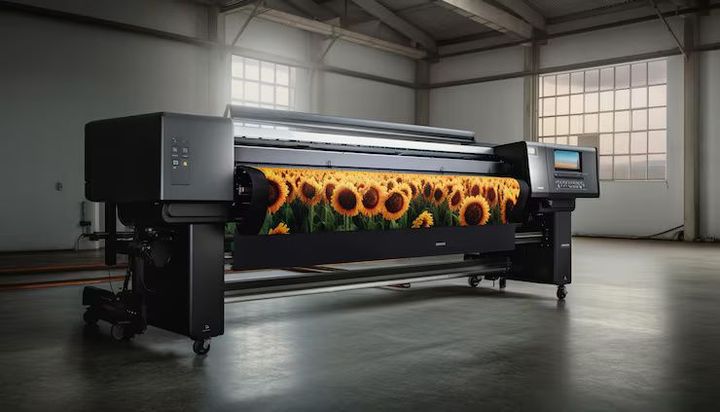
UV Curing Machines Details: Types, Operating Methods, Components and Industrial Uses
UV curing machines use ultraviolet light to harden or cure specially formulated inks, coatings, adhesives, varnishes, and other materials. Instead of relying mainly on heat or evaporation, the process uses UV energy to trigger a chemical reaction called photopolymerization. UV curing machines are used in printing, electronics, automotive components, packaging, plastics, wood finishing, industrial coatings, and other manufacturing processes.
What Are UV Curing Machines?
UV curing machines are industrial systems designed to expose a UV-reactive material to controlled ultraviolet radiation. The material normally contains substances called photoinitiators. When suitable UV light reaches the material, the photoinitiators activate a chemical reaction that causes liquid or semi-liquid components to form a solid polymer structure.
UV curing differs from conventional drying. Traditional drying may remove water or solvents through heat and airflow, while UV curing changes the material through a light-activated chemical process. This distinction allows curing to take place rapidly when the formulation, UV wavelength, intensity, and exposure time are properly matched.
How UV Curing Developed
UV curing technology developed from the wider use of ultraviolet radiation in industrial processing. Early systems commonly used mercury-based arc lamps that produced a broad range of UV wavelengths. These systems remain relevant for applications where a broad spectrum is required.
LED UV technology has expanded the range of curing systems available to manufacturers. Industrial LED systems commonly use wavelengths such as 365, 385, 395, or 405 nanometres, depending on the formulation and application. LED systems can be controlled in zones and switched on or off according to process requirements.
Basic Curing Process
A typical UV curing process involves several stages:
- A UV-reactive ink, coating, adhesive, or other material is applied to a substrate.
- The material passes beneath or in front of a UV light source.
- UV radiation activates the photoinitiator.
- Polymerization begins within the reactive material.
- The material develops a more solid and stable structure.
- The cured surface continues through inspection or another manufacturing stage.
The exact result depends on factors such as wavelength, irradiance, UV dose, material chemistry, layer thickness, working distance, substrate properties, and production speed.
Importance
Why UV Curing Matters
UV curing machines are important because many manufacturing processes require coatings, inks, or adhesives to reach a usable condition within a controlled production cycle. UV curing can reduce the time between application and subsequent processing when the material is designed for radiation curing.
The technology is also relevant when manufacturers work with materials that can be affected by excessive heat. LED UV systems generally produce a lower proportion of infrared radiation than conventional UV lamp systems, which can reduce thermal loading on some substrates.
Industries Using UV Curing
UV curing machines are used across several industrial areas, including:
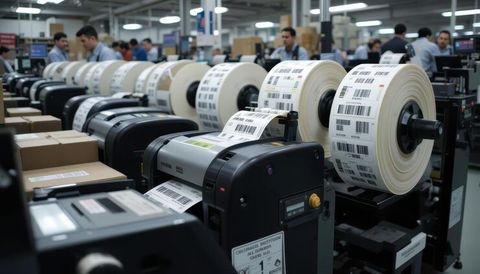
- Printing: UV inks can be cured on paper, labels, films, and other substrates.
- Electronics: UV adhesives and coatings can be used for selected assembly and protection processes.
- Automotive manufacturing: UV curing can be used for selected coatings, adhesives, and surface treatments.
- Wood and furniture: UV-reactive finishes can be cured on panels, boards, and other surfaces.
- Plastics: Coatings, markings, and adhesives can undergo UV curing on suitable plastic components.
- Packaging: UV-curable inks and coatings are used in various printing and finishing processes.
- Industrial coatings: UV systems can process selected protective, decorative, and functional coatings.
The suitability of UV curing depends on the formulation and substrate. A material designed for conventional drying cannot automatically be cured through UV exposure.
Main Factors Affecting Curing
Several variables determine whether a UV curing process produces the intended result:
- Wavelength: The emitted UV spectrum needs to correspond with the photoinitiator and formulation.
- Irradiance: This describes UV power received over an area, commonly expressed in W/cm².
- UV dose: This represents accumulated UV energy over time, commonly expressed in mJ/cm².
- Exposure time: Longer exposure can increase the delivered dose, although the required amount depends on the material.
- Working distance: UV intensity can change as the distance between the source and substrate changes.
- Material thickness: Thick or highly pigmented layers may require different curing conditions.
- Production speed: Conveyor or web speed affects the amount of exposure received by the material.
These factors normally need to be considered together rather than evaluated individually.
Recent Updates
Growth of LED UV Systems
A notable development from 2024–2026 has been the continued expansion of LED UV curing in industrial applications. LED systems use semiconductor light sources rather than conventional mercury-based lamps and can provide narrow wavelength bands suited to particular formulations. Industrial systems increasingly use modular designs and independently controlled LED zones.
Improved Process Control
Modern UV curing equipment increasingly incorporates electronic controls for irradiance, operating zones, cooling, and production synchronization. These controls can help match UV exposure to the width and speed of a manufacturing process.
Measurement has also become an important part of process control. UV radiometers can measure irradiance and dose, helping operators compare actual exposure conditions with the parameters established for a particular material.
Interest in UVC and Photoinitiator-Reduced Formulations
Research and industrial development are also examining shorter UV wavelengths, including UVC LED systems, for selected curing applications. Recent technical discussions indicate that UVC can influence surface curing and may work with specially formulated coatings and inks, but suitability depends strongly on photochemistry and material composition.
Recent industry developments have also included work on photoinitiator-reduced or photoinitiator-free formulations for selected applications. These approaches remain application-specific and require appropriate formulation and process testing rather than being treated as a universal replacement for existing systems.
UV Lamp and LED Technology Continue Together
LED UV systems have expanded considerably, but conventional UV lamps remain relevant because their broad spectral output can be useful for certain formulations. The appropriate technology depends on wavelength requirements, material chemistry, heat sensitivity, production speed, cooling arrangements, and the required curing result.
Laws or Policies
Indian Workplace Safety Requirements
In India, UV curing equipment used in factories falls within the broader framework of workplace health and safety requirements. The Occupational Safety, Health and Working Conditions Code addresses duties related to workplace safety and requires appropriate attention to risks associated with equipment and industrial processes. The Code also includes provisions concerning dangerous operations, protective equipment, and workplace safety measures where applicable.
UV curing installations should therefore be assessed according to the specific workplace, machinery, electrical, and occupational safety requirements that apply to the facility and process.
Machinery and Electrical Safety Standards
The Bureau of Indian Standards maintains Indian Standards covering machinery safety and electrical equipment. For example, IS 16504 addresses electrical equipment of machines and is aligned with the IEC 60204 series for relevant machinery electrical safety requirements.
The exact standards applicable to a UV curing machine depend on its design, electrical characteristics, integration into production equipment, and intended use. The BIS “Know Your Standard” platform allows users to search Indian Standards by standard number or product-related keyword and review associated documents and amendments.
UV Exposure Controls
UV radiation can present an occupational exposure concern, particularly when strong sources are accessible to workers. Industrial curing equipment commonly uses shielding, enclosed curing chambers, interlocks, protective covers, and controlled access to limit direct exposure.
The specific safeguards should correspond to the equipment design and applicable workplace requirements. A general article cannot determine the safety controls required for a particular installation.
Tools and Resources
UV Radiometers
A UV radiometer measures UV irradiance and, depending on the instrument, can also calculate or record UV dose. These measurements can help identify changes in lamp output, LED performance, working distance, or process conditions.
UV Dose Calculations
A basic relationship used in UV curing is:
UV Dose = UV Irradiance × Exposure Time
For example, if irradiance is expressed in W/cm² and exposure time is expressed in seconds, the resulting dose can be converted into J/cm² or mJ/cm² as appropriate. Actual curing requirements must come from the technical specifications and testing associated with the particular formulation.
BIS Standards Portal
India's BIS “Know Your Standard” platform is a useful reference for locating Indian Standards by product name or standard number. It can provide information about standards, amendments, testing information, and related documentation.
Equipment Manuals and Technical Data Sheets
Technical manuals, formulation documentation, lamp specifications, LED wavelength information, and process records can help users understand the operating range of a UV curing system. Important parameters include wavelength, irradiance, dose, cooling method, working distance, conveyor speed, and compatible materials.
FAQs
What are UV curing machines used for?
UV curing machines are used to harden or polymerize UV-reactive inks, coatings, adhesives, varnishes, and related materials. Common applications include printing, electronics, plastics, automotive components, packaging, wood finishing, and industrial coatings.
What are the main types of UV curing machines?
Common types include conventional UV lamp systems, LED UV curing systems, spot curing systems, conveyor-based curing machines, and integrated curing units. The main differences involve the light source, wavelength range, cooling arrangement, curing area, and method of material movement.
How do UV curing machines work?
UV curing machines expose a UV-reactive material to controlled ultraviolet radiation. The UV light activates photoinitiators within the material, initiating polymerization that changes the material from a liquid or semi-liquid state into a more solid structure.
What components are found in UV curing machines?
Typical components include a UV lamp or LED array, reflector or optical system, power supply, control system, cooling system, shielding, safety interlocks, conveyor or material-handling mechanism, and monitoring equipment. The exact configuration varies by machine type.
Are LED UV curing machines different from conventional UV systems?
Yes. LED UV systems normally emit a narrower wavelength range, while conventional UV lamps can produce a broader spectrum. LED systems can provide immediate UV output and lower infrared emission, while conventional lamps remain useful for formulations requiring broader spectral coverage.
Conclusion
UV curing machines use controlled ultraviolet radiation to cure specially formulated inks, coatings, adhesives, and related materials. Major machine types include conventional UV lamp systems and LED UV systems, with differences in wavelength, cooling, control, and operating characteristics. From 2024–2026, industrial development has continued toward LED systems, improved process monitoring, modular equipment, and research into shorter-wavelength curing. In India, machinery safety, electrical requirements, workplace protection, and applicable BIS standards form part of the regulatory context surrounding industrial UV curing equipment.