Waste Management Equipment Guide: Machinery Types, Processing Methods, Uses and Safety Standards
A Waste Management Equipment Guide explains the machinery, processing methods, applications, and safety standards used to handle waste from households, businesses, factories, construction sites, and public spaces. Waste management developed as communities grew and the volume of discarded materials increased.
Context
A Waste Management Equipment Guide explains the machinery, processing methods, applications, and safety standards used to handle waste from households, businesses, factories, construction sites, and public spaces. Waste management developed as communities grew and the volume of discarded materials increased. Early methods relied mainly on manual collection and disposal, while modern systems use mechanical equipment to separate, reduce, transport, and process different waste materials.
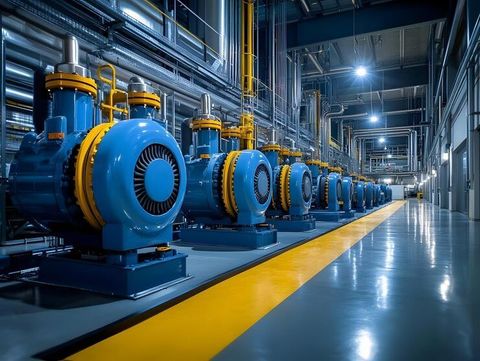
Waste management equipment includes machines used to collect mixed waste, sort recyclable materials, compact bulky items, shred discarded products, and process organic matter. The equipment selected depends on the type of waste, its quantity, the available processing space, environmental requirements, and the intended outcome. Some facilities focus on recycling, while others handle composting, material recovery, or the preparation of waste for further treatment.
Understanding Waste Management Machinery
Waste processing involves several stages, and each stage may require different machinery. Collection equipment moves discarded materials from their source, sorting systems separate materials, and processing machines prepare them for recycling or disposal.
Common waste management equipment includes:
Waste collection vehicles: Transport household, commercial, and industrial waste to collection points or treatment facilities.
Industrial shredders: Reduce the size of selected materials such as plastics, wood, and certain bulky waste items.
Waste compactors: Compress suitable waste to reduce its volume and simplify storage or transportation.
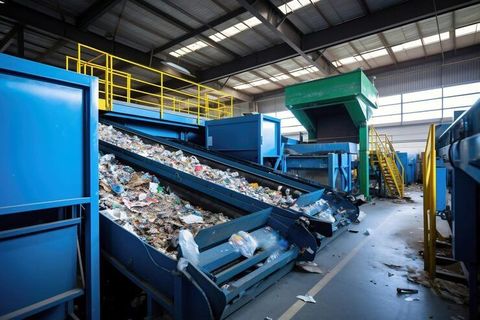
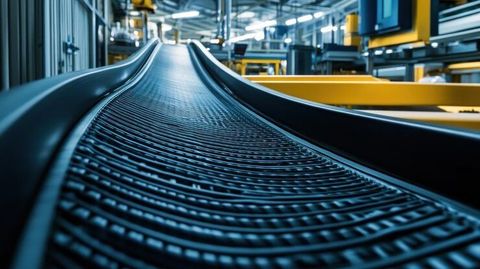
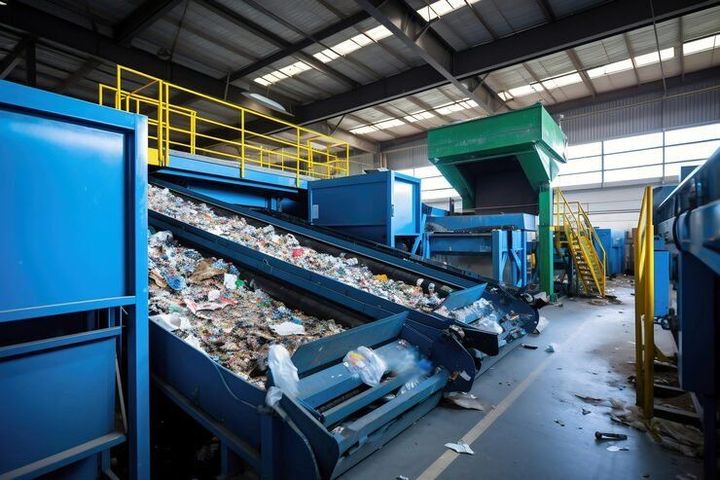
Conveyor systems: Move materials between sorting, inspection, and processing stages.
Screening machines: Separate materials according to size using rotating screens, vibrating surfaces, or similar mechanisms.
Baling machines: Compress recyclable materials such as cardboard, paper, and selected plastics into compact bundles.
Organic waste processors: Prepare suitable food and garden waste for composting or other biological treatment processes.
Equipment requirements vary according to the materials being handled. A machine designed for cardboard may not be appropriate for wet organic waste or hazardous materials.
Importance
Waste management equipment plays an important role in public cleanliness, environmental protection, resource recovery, and industrial operations. Without organized collection and processing, discarded materials can accumulate in residential areas, workplaces, waterways, and open spaces. Poor handling may also expose workers and nearby communities to sharp objects, dust, harmful substances, pests, and other hazards.
Municipal authorities, recycling facilities, manufacturers, construction companies, commercial establishments, and waste collection operators all rely on suitable waste handling systems. Equipment can help organize large material flows, reduce manual handling, and support the separation of materials that can be recovered for further use.
Main Uses of Waste Processing Equipment
Different machines address different operational needs.
Volume reduction: Compactors and shredders reduce the space occupied by suitable waste, although shredding and compression are different processes.
Material recovery: Sorting lines, screens, magnets, and optical systems separate selected materials from mixed waste.
Recycling preparation: Baling and size-reduction equipment prepare materials for storage, transportation, or subsequent processing.
Organic waste treatment: Composting equipment and related systems support the controlled breakdown of biodegradable materials.
Construction waste handling: Crushers, screens, and sorting equipment process suitable concrete, masonry, wood, and other construction materials.
Industrial waste management: Specialized equipment handles production residues according to their composition and applicable handling requirements.
Comparing Common Machinery Types
The following table summarizes typical equipment applications.
| Equipment type | Main function | Common application |
|---|---|---|
| Waste compactor | Compresses suitable waste | Commercial and municipal waste |
| Industrial shredder | Reduces material size | Plastics, wood, selected bulky items |
| Conveyor system | Moves materials | Sorting and recycling facilities |
| Screening machine | Separates materials by size | Mixed recyclables and aggregates |
| Baling machine | Forms compact bundles | Paper, cardboard, selected plastics |
| Magnetic separator | Removes ferrous metals | Recycling and material recovery |
| Composting equipment | Supports organic waste treatment | Food and garden waste |
| Waste collection vehicle | Collects and transports waste | Residential and commercial collection |
The actual capacity, operating method, and compatible materials differ by machine design. Equipment specifications and the composition of incoming waste should be considered together when planning a processing system.
Recent Updates
Waste management technology has increasingly focused on automation, improved material identification, resource recovery, and more efficient monitoring. Across 2024–2026, developments have included wider adoption of sensor-based sorting, digital equipment monitoring, and systems designed to separate valuable materials from complex waste streams. Adoption varies with local infrastructure, investment, technical requirements, and the availability of suitable materials.
Automation and Intelligent Sorting
Modern material recovery facilities may combine conveyors, magnetic separators, optical sensors, and automated sorting equipment. Optical systems can identify certain materials using their visual or spectral characteristics, while sensors and control systems help direct items toward designated collection points.
Artificial intelligence and machine vision are also being applied to selected sorting tasks. These technologies can help identify material categories, but performance depends on contamination, lighting, material condition, equipment configuration, and the training of the recognition system. Manual inspection may still be needed for quality control and unusual materials.
Resource Recovery and Organic Waste Processing
Many waste management programs emphasize separating materials before disposal. Dedicated collection and sorting can help recover metals, paper, glass, plastics, and other suitable materials, although actual recovery depends on local processing capabilities and the quality of the incoming waste.
Organic waste treatment is another important area. Composting systems process suitable biodegradable materials under managed conditions, while anaerobic digestion uses microorganisms to break down organic matter in an environment with little or no oxygen. Anaerobic digestion can produce biogas and a remaining digestate that requires appropriate management.
Digital monitoring systems can also track equipment condition, operating hours, energy use, and maintenance needs. These tools can help operators identify faults and plan inspections, but they do not replace physical safety checks or proper operating procedures.
Laws or Policies
Waste management equipment must operate within the environmental, occupational safety, and waste-handling rules applicable to its location and use. Requirements can differ according to the waste category, facility type, processing activity, and local authority. Equipment selection alone does not establish compliance; storage, transportation, emissions, worker protection, and final treatment also matter.
Waste Management Regulations in India
India's waste management framework includes national rules addressing different waste streams. The Solid Waste Management Rules, 2016, established requirements for managing municipal solid waste, including segregation, collection, processing, and disposal. Regulatory changes and newer rules may affect the requirements applicable to a particular facility, so current notifications should be checked.
Other relevant frameworks include the Plastic Waste Management Rules, the Construction and Demolition Waste Management Rules, and the E-Waste (Management) Rules. These address different categories of discarded materials and establish responsibilities that can include segregation, collection, processing, recycling, or authorized handling.
The Ministry of Environment, Forest and Climate Change and the Central Pollution Control Board publish relevant regulatory information and guidance. State Pollution Control Boards and Pollution Control Committees may also oversee permissions, compliance, and facility-specific requirements. Applicable duties depend on the waste type and the activity being performed.
Occupational Safety and Equipment Standards
Workers who operate waste processing machinery may face hazards from moving parts, electrical systems, sharp materials, dust, noise, and unexpected machine movement. Safety procedures generally include machine guarding, appropriate protective equipment, training, safe access routes, and planned maintenance.
Important safety measures include:
Machine guarding: Protect workers from exposed belts, rollers, cutting blades, and other moving parts.
Lockout and isolation: Disconnect and isolate relevant energy sources before maintenance or clearing blockages, following the equipment's approved procedure.
Protective equipment: Use suitable gloves, eye protection, footwear, hearing protection, or respiratory protection according to the identified risks.
Emergency controls: Keep emergency stops accessible and ensure workers understand the response procedure.
Inspection and training: Inspect machinery regularly and train operators in safe loading, operation, and shutdown.
The applicable requirements may include relevant Indian occupational safety legislation, electrical safety provisions, factory rules, environmental permissions, and equipment standards. The specific legal framework depends on the facility and the rules currently in force.
Tools and Resources
Technical resources help operators understand machinery specifications, estimate processing requirements, and manage workplace risks. Information should be matched to the type of waste and the local regulatory framework.
Equipment Selection and Planning Tools
Equipment specification sheets typically describe rated throughput, compatible materials, power requirements, dimensions, operating conditions, and maintenance needs. Rated capacity should not be treated as a guaranteed daily output because moisture, contamination, material size, downtime, and operator practices can affect performance.
A waste audit spreadsheet can record the type, weight, source, and frequency of discarded materials. This information helps facilities understand waste composition and identify which collection, sorting, or processing stages may be required.
Regulatory and Technical Resources
The following resources provide relevant information:
Central Pollution Control Board (CPCB): Indian environmental regulations, waste management guidance, and related publications.
Ministry of Environment, Forest and Climate Change: Environmental rules, notifications, and policy documents.
State Pollution Control Boards: Regional requirements, facility permissions, and applicable compliance information.
Bureau of Indian Standards (BIS): Relevant Indian standards and technical guidance where applicable.
Manufacturer operating manuals: Equipment-specific instructions covering installation, safe operation, maintenance, and compatible materials.
Maintenance and Safety Records
Facilities can maintain inspection logs, preventive maintenance schedules, operator training records, and incident reports. These documents help track equipment condition, recurring faults, completed inspections, and corrective actions.
A machinery assessment should also consider noise, dust, energy consumption, available floor space, material flow, and access for maintenance. These factors influence how equipment operates within a complete waste processing facility.
FAQs
What are the main types of waste management equipment?
Common types include collection vehicles, compactors, shredders, conveyors, screening machines, balers, magnetic separators, and organic waste processing systems. Each performs a specific function within collection, sorting, recycling, or treatment.
How does industrial waste processing machinery work?
Industrial waste processing machinery performs tasks such as size reduction, compression, screening, separation, and material transport. The processing sequence depends on the waste composition and the intended recovery or treatment method.
Which waste management equipment is used for recycling?
Recycling facilities may use conveyors, optical sorters, magnets, screens, shredders, and balers. The combination depends on the materials being recovered and the facility's processing capabilities.
What safety standards apply to waste management machinery in India?
Applicable requirements may cover machine guarding, electrical safety, worker training, maintenance, environmental permissions, and waste-specific regulations. The exact obligations depend on the equipment, facility, waste category, and current law.
How is waste management equipment selected for a facility?
Selection depends on waste composition, daily volume, moisture, contamination, required output, available space, energy requirements, maintenance access, and applicable regulations. A waste audit and review of technical specifications can help establish operational requirements.
Conclusion
Waste management equipment supports the collection, sorting, processing, and recovery of materials from household, commercial, industrial, and construction waste. Machinery selection depends on material characteristics, processing objectives, facility capacity, and environmental requirements. Automation and digital monitoring are expanding in some facilities, while worker training and machine safety remain essential. Applicable Indian waste management rules and technical standards provide the regulatory context for responsible equipment operation.