Waste Oil Filtration Units Guide: Working Principles, Filtration Methods and Equipment Selection
Waste oil filtration units are systems designed to remove contaminants from used industrial oils so that the oil can be assessed for further use, processing, or appropriate disposal. A Waste Oil Filtration Units Guide explains their working principles, filtration methods, equipment components, and selection factors. These systems are used in manufacturing plants, workshops, power facilities, hydraulic equipment operations, and other settings where lubricating or process oils may become contaminated during use.
Context
Waste oil filtration units are systems designed to remove contaminants from used industrial oils so that the oil can be assessed for further use, processing, or appropriate disposal. A Waste Oil Filtration Units Guide explains their working principles, filtration methods, equipment components, and selection factors. These systems are used in manufacturing plants, workshops, power facilities, hydraulic equipment operations, and other settings where lubricating or process oils may become contaminated during use.
Industrial oil collects impurities over time. These may include dust, metal particles, carbon deposits, water, sludge, and products formed through oxidation. Contamination can reduce lubrication effectiveness, affect equipment operation, and increase wear on moving components. Filtration systems address certain forms of contamination by separating unwanted materials from the oil.
Waste oil filtration does not automatically restore every used oil to its original condition. Some systems remove solid particles, while others address water or particular chemical contaminants. Oil that has deteriorated chemically may require specialized treatment or disposal rather than ordinary filtration.
How Waste Oil Filtration Units Work
A waste oil filtration unit generally moves contaminated oil through one or more treatment stages. A pump transfers the oil from a collection tank through filtration components, where unwanted materials are separated according to the system's design. The treated oil is then collected for inspection, further processing, or an approved application.
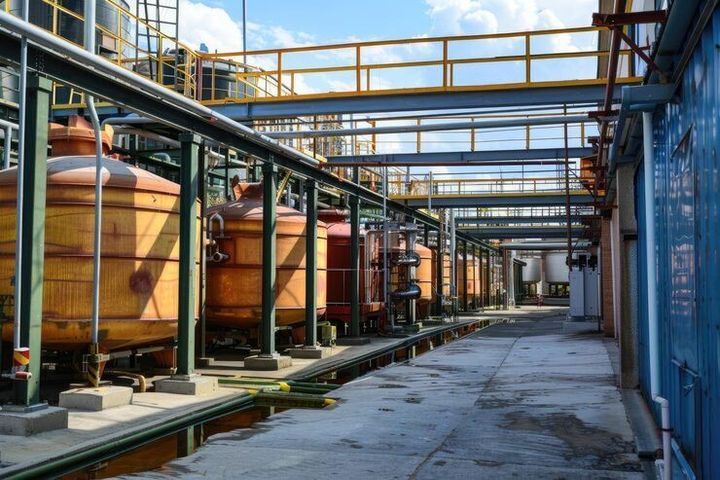
A typical system may include a collection tank, pump, filter housing, filtration media, pressure gauges, hoses, valves, and an outlet tank. Larger installations may incorporate heating, water separation, multiple filter stages, and automated monitoring controls.
The working process commonly follows these steps:
Collection: Used oil is gathered in a suitable tank or container.
Preliminary separation: Larger debris and, where applicable, separated water are removed before fine filtration.
Pumping: Oil moves through the system at a pressure and flow rate appropriate for the equipment.
Filtration: Filter media capture particles according to their size and the filter's specifications.
Inspection: The treated oil is checked for relevant contamination and condition indicators.
Storage or further treatment: Oil is transferred to an appropriate container or another processing stage.
The exact sequence varies according to the oil type, contamination level, and intended outcome.
Importance
Waste oil filtration matters because industrial equipment often depends on oil for lubrication, hydraulic movement, heat transfer, or other operating functions. Contaminants can interfere with these functions and contribute to component wear, blocked passages, or unreliable operation. Managing contamination can therefore form part of an industrial maintenance and waste-management program.
Filtration also supports more organized handling of used oils. Separating recoverable materials from waste streams may reduce the volume requiring particular disposal procedures, although the result depends on the oil's condition and the treatment process. Used oil must not be assumed suitable for reuse simply because visible dirt has been removed.
Common Industrial Applications
Waste oil filtration units are used in several industrial environments. In hydraulic systems, filtration can remove particles that may affect valves, pumps, and actuators. In manufacturing facilities, oil filtration may be applied to lubricating oils, certain circulating oils, and compatible machine oils.
Power generation facilities may use oil treatment equipment to manage contamination in selected lubricating systems. Automotive workshops and equipment maintenance facilities may also collect used oil for transfer to authorized recycling or treatment operations.
The application must match the oil's chemical composition and operating requirements. Engine oil, hydraulic oil, turbine oil, and cutting oil can contain different additives and contaminants, so a single filtration setup is not necessarily appropriate for every oil stream.
Benefits and Limitations of Filtration
Filtration can remove suspended solids, and specialized equipment may separate certain amounts of water. These processes can help maintain oil cleanliness when the oil remains chemically suitable for its intended purpose.
However, filtration has important limitations. It may not remove dissolved contaminants, restore depleted additives, reverse oxidation, or correct changes in viscosity. Oil analysis and the equipment manufacturer's requirements help determine whether filtered oil remains suitable for use.
Recent Updates
During 2024–2026, industrial oil management has continued to reflect broader developments in condition monitoring, resource efficiency, and automated maintenance. Current approaches increasingly combine filtration equipment with sensors, oil sampling, and maintenance records. The availability of these features varies by equipment type and industrial application.
Automated Monitoring and Filter Condition
Some modern filtration systems use pressure sensors, flow indicators, particle monitoring instruments, and control panels to track operating conditions. A rising pressure difference across a filter may indicate that the filter element is becoming restricted, although the reading must be interpreted according to the equipment design and operating conditions.
Monitoring can help maintenance teams identify changes before they interrupt a process. However, a sensor reading alone may not establish whether oil is chemically suitable for reuse. Periodic sampling and appropriate laboratory testing remain important when oil condition must be evaluated in detail.
Improved Water and Particle Separation
Filtration equipment is available in different configurations for separating solid particles, free water, and certain emulsified water conditions. Depending on the oil and the system, treatment may involve settling tanks, coalescing elements, vacuum dehydration, or combinations of methods.
Manufacturers also develop filter media with specified particle-retention characteristics and operating limits. Filter ratings, flow capacity, oil compatibility, and pressure limitations should be considered together rather than treating one specification as a complete measure of performance.
Resource Efficiency and Used Oil Management
Industrial facilities increasingly examine how maintenance practices affect material consumption and waste generation. Oil condition monitoring, contamination prevention, and suitable filtration can support this approach when technically appropriate.
Nevertheless, used oil that contains hazardous chemicals or has deteriorated beyond its intended limits may require specialized treatment. Filtration should be considered one part of a broader oil management process rather than a universal method for converting waste oil into reusable lubricant.
Laws or Policies
Waste oil filtration and handling are influenced by environmental regulations, workplace safety requirements, hazardous-waste rules, and local storage and transport requirements. In India, the applicable framework depends on the oil's classification, its source, the activity being performed, and the facility's operating arrangements.
Used Oil Regulations in India
India's Hazardous and Other Wastes (Management and Transboundary Movement) Rules, 2016, as amended, establish requirements for managing specified hazardous and other waste categories. Used oil may fall within the regulated framework, and applicable requirements can include authorization, collection, storage, transportation, recycling, recordkeeping, and disposal.
The Central Pollution Control Board (CPCB) and State Pollution Control Boards or Pollution Control Committees have roles in implementing relevant environmental requirements. India's used-oil Extended Producer Responsibility framework, introduced through amendments to the waste-management rules, also addresses responsibilities associated with used-oil collection and recycling. The precise obligations depend on the parties involved and the rules currently in force.
Facilities should verify applicable requirements with the relevant pollution control authority before establishing a used-oil treatment operation. Filtering oil on site does not automatically remove regulatory obligations related to waste classification, pollution prevention, or final handling.
Workplace and Environmental Safety
Industrial oil filtration equipment must be operated within its rated pressure, temperature, and material compatibility limits. Leaks, hot oil, moving machinery, and unsuitable electrical equipment can create hazards, particularly in areas where flammable vapors may be present.
Practical precautions include:
Using compatible tanks, hoses, seals, and filter housings.
Providing suitable spill containment and clearly labeled containers.
Following lockout procedures before opening or maintaining pressurized equipment.
Using appropriate personal protective equipment.
Managing contaminated filters, sludge, and separated water according to applicable requirements.
Used oil should not be discharged into drains, soil, or surface water. Applicable waste-handling procedures should be followed for all separated residues, not only the remaining oil.
Tools and Resources
Selecting a waste oil filtration unit requires information about the oil, its contaminants, the expected processing volume, and the intended outcome. Equipment specifications and oil analysis results provide a foundation for evaluating different system designs.
Oil Analysis and Filtration Equipment
Oil analysis laboratories can measure properties such as viscosity, water content, particle contamination, acidity, and selected wear metals. The relevant tests depend on the oil type and the intended application. Comparing test results with suitable specifications can help determine whether filtration alone is sufficient.
Equipment documentation should identify the recommended oil types, flow range, maximum operating pressure, temperature limits, filter ratings, and replacement intervals. Technical datasheets can also clarify whether a unit is designed primarily for particle removal, water separation, or a combination of treatment methods.
Comparing Filtration Methods
| Filtration method | Main function | Important consideration |
|---|---|---|
| Surface or depth filtration | Captures suspended solid particles | Filter rating and dirt-holding capacity |
| Magnetic separation | Captures susceptible ferrous particles | Does not remove nonmagnetic contaminants |
| Centrifugal separation | Separates materials according to density differences | Performance depends on fluid and particle properties |
| Coalescing separation | Combines droplets to assist water separation | Effectiveness depends on oil and water conditions |
| Vacuum dehydration | Removes water under controlled vacuum conditions | Requires suitable equipment and operating conditions |
| Multi-stage filtration | Combines different separation processes | Requires compatibility across all stages |
These methods perform different functions and are not interchangeable. A filtration unit may combine several techniques when the incoming oil contains both solid contaminants and water.
Equipment Selection Checklist
Before selecting a waste oil filtration unit, the main considerations include:
Oil type: Confirm compatibility with the lubricant or process oil being treated.
Contamination profile: Identify particles, water, sludge, or other known contaminants.
Required flow rate: Match the unit's capacity to the quantity and processing schedule.
Filtration rating: Choose an appropriate particle-retention specification for the intended application.
Operating conditions: Check pressure, temperature, viscosity, and material compatibility.
Maintenance needs: Review filter replacement, cleaning, inspection, and waste handling requirements.
Final oil condition: Establish measurable criteria for reuse, further treatment, or disposal.
The selected equipment should match the actual treatment objective rather than relying only on general descriptions such as fine filtration or oil purification.
FAQs
What is a waste oil filtration unit?
A waste oil filtration unit is equipment that separates certain contaminants from used oil. Depending on its design, it may remove solid particles, separate water, or combine several treatment methods.
How does a waste oil filtration unit work?
A pump moves contaminated oil through one or more treatment stages. Filter media or separation equipment removes targeted contaminants, and the treated oil is collected for testing, additional treatment, or appropriate handling.
Which filtration method is suitable for waste oil?
The appropriate method depends on the oil type and contamination. Particle filters address suspended solids, while coalescing systems and vacuum dehydration address particular water-removal needs. Some applications require multiple stages.
Can filtered waste oil be reused?
Filtered oil may be reusable if its chemical condition and relevant properties remain within the requirements of the intended application. Filtration alone does not restore every degraded property, so testing and applicable rules must be considered.
What factors matter when selecting waste oil filtration equipment?
Important factors include oil compatibility, contaminant type, flow rate, filtration rating, pressure limits, water-removal requirements, maintenance needs, and the required condition of the treated oil.
Conclusion
Waste oil filtration units remove selected contaminants from used industrial oils through particle filtration and other separation methods. Equipment selection depends on oil characteristics, contamination levels, operating conditions, and the intended treatment outcome. Oil analysis and routine monitoring help establish whether treated oil remains suitable for a particular application. Environmental regulations and safe handling procedures also govern the management of used oil and the residues produced during filtration.

You May Also Like