Woodworking Machinery Basics With Processing Methods, Features, and Technology
Woodworking machinery includes mechanical and computer-controlled equipment used to cut, shape, drill, join, sand, and finish wood materials. These machines developed from traditional hand tools as workshops and manufacturing environments needed greater consistency, speed, and control.
Today, woodworking machinery ranges from compact saws and planers to CNC routers, edge banding machines, sanding systems, and automated production lines.
Wood processing begins with preparing solid wood, panels, boards, or engineered materials for a particular application. Different machines perform specific operations, and their selection depends on material type, dimensions, required accuracy, production volume, and workspace. Understanding woodworking machinery basics helps readers recognize how individual machines fit into the broader processing sequence.
Context
Development of Woodworking Machinery
Traditional woodworking relied heavily on hand saws, chisels, planes, drills, and measuring tools. Mechanical equipment gradually introduced rotating blades, cutting heads, rollers, and powered spindles, allowing repetitive operations to be completed with more consistent dimensions.
Modern woodworking machinery combines mechanical systems with electrical controls, sensors, digital interfaces, and computer-based programming. CNC equipment can follow programmed cutting paths, while automated handling systems can move panels between processing stages.
Main Types of Woodworking Machinery
Woodworking machinery can be grouped according to the operation it performs. Common categories include:
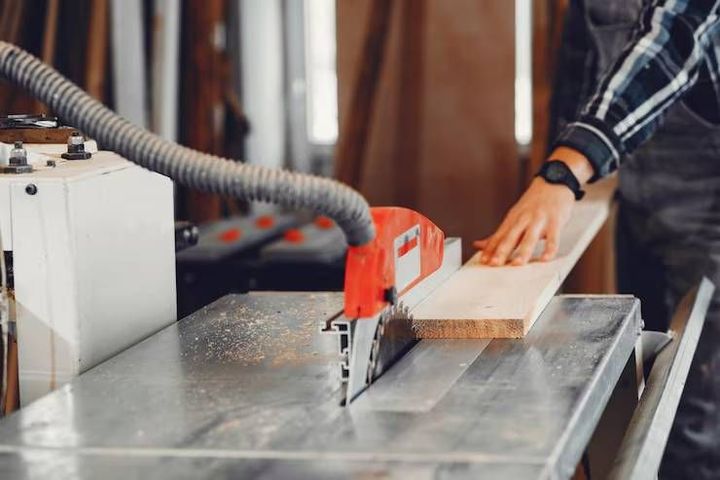
- Panel saws and table saws for straight cutting
- Band saws for curved or irregular cutting
- Planers and thicknessers for dimension control
- Jointers for preparing straight and flat edges
- CNC routers for programmed cutting, drilling, and shaping
- Edge banding machines for applying edge materials to panels
- Sanding machines for surface preparation
- Drilling machines for accurate holes and repetitive patterns
- Wood turning machines for cylindrical components
Each machine has a specific role. In larger production environments, several machines can be connected into a sequence so that material moves from cutting through shaping, drilling, sanding, and final preparation.
Importance
Consistency and Material Processing
Wood can vary in density, grain direction, moisture content, thickness, and surface condition. Machinery helps operators control these variables during repeated processing operations. Accurate cutting and controlled material removal can reduce dimensional variation between components.
For furniture, cabinetry, flooring, doors, construction components, and decorative products, consistent dimensions can simplify assembly. Machines also help process larger quantities of material with repeatable settings.
Workplace Efficiency and Safety
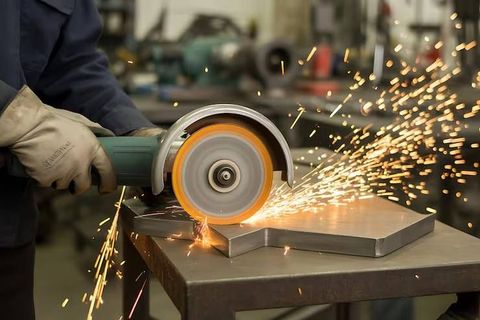
Powered machinery can reduce the physical effort required for repetitive cutting, shaping, and sanding. However, machine operation introduces hazards such as rotating components, sharp cutting tools, dust, noise, vibration, and flying particles.
Safe woodworking environments commonly use guards, emergency stopping systems, dust extraction, appropriate personal protective equipment, and operating procedures. Training is important because correct setup and material positioning affect both output and operator safety.
Common Processing Sequence
A basic woodworking production sequence may include:
Material inspection → measuring → cutting → planing or thicknessing → edge preparation → drilling or routing → sanding → assembly or finishing.
Not every project requires every stage. The sequence changes according to the material and the intended component.
| Machine Type | Main Processing Method | Typical Purpose |
|---|---|---|
| Panel saw | Straight cutting | Panel sizing |
| Jointer | Edge and face preparation | Straight edges |
| Planer | Thickness reduction | Dimension control |
| CNC router | Programmed cutting | Profiles and patterns |
| Edge bander | Edge application | Panel edge finishing |
| Wide-belt sander | Abrasive sanding | Surface preparation |
| Drill machine | Rotary drilling | Holes and fittings |
| Band saw | Continuous blade cutting | Curves and resawing |
Recent Updates
CNC and Digital Control
Recent woodworking technology has continued moving toward digital control. CNC routers, machining centers, and automated saw systems can use digital drawings or programmed instructions to define cutting paths and hole positions.
Software integration is also becoming more important. Design information can move from computer-aided design systems into machine-control software, reducing the need to manually enter every dimension.
Automation and Smart Monitoring
Sensors and automated handling systems are increasingly used in larger woodworking environments. These systems can monitor material position, machine status, tool conditions, and production sequences.
Automated panel handling can reduce manual movement between machines. Connected controls can also collect operational information that helps identify interruptions, maintenance requirements, or process variations.
Improved Dust and Energy Management
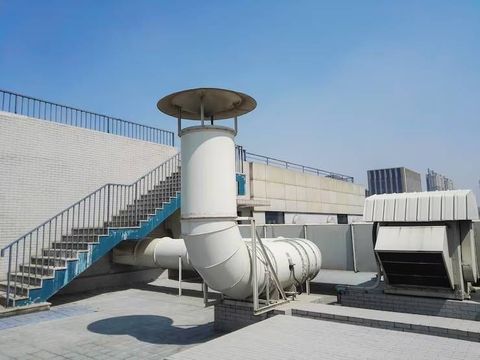
Dust extraction remains an important part of modern woodworking. Equipment manufacturers are developing systems that capture dust closer to the cutting or sanding point, helping maintain cleaner working areas and supporting safer operating conditions.
Energy efficiency is another area of development. Variable-speed drives, improved motors, automated standby modes, and optimized cutting sequences can reduce unnecessary energy use during suitable operating conditions.
Laws or Policies
Machinery Safety Requirements
Woodworking machinery is generally affected by workplace safety rules covering machine guarding, emergency controls, electrical safety, operator training, noise, and airborne dust. Exact requirements vary by country and by the type of workplace.
Manufacturers and operators may need to consider requirements for guarding rotating parts, preventing unintended machine startup, maintaining emergency stopping functions, and providing suitable instructions.
Wood Dust and Workplace Conditions
Wood dust can affect workplace air quality, so many regulatory systems include requirements related to ventilation, exposure control, housekeeping, and dust collection. The applicable limits and procedures depend on local occupational safety rules and the material being processed.
Environmental requirements can also apply to noise, waste handling, emissions, and disposal of wood residues. Businesses should consult the regulations applicable to their location rather than assuming that one set of rules applies everywhere.
Tools and Resources
Measurement and Setup Tools
Accurate measurement is fundamental to woodworking. Digital calipers, tape measures, angle gauges, moisture meters, straightedges, and setup blocks can help operators check dimensions and machine alignment.
Moisture meters are particularly useful when material moisture can influence dimensional stability. Calibration tools and machine manuals can also support accurate setup.
Digital Design and Planning
Computer-aided design software can be used to create component drawings, cutting layouts, drilling patterns, and CNC instructions. Cut-list calculators and material optimization tools can help organize panel dimensions and reduce unnecessary offcuts.
Machine-control platforms vary by equipment type. CNC routers may use dedicated control software, while larger production systems can connect several machines through production-management platforms.
Maintenance Resources
Maintenance schedules normally include inspection of blades, cutters, belts, bearings, filters, dust-collection components, electrical connections, and safety devices. Manufacturer documentation provides machine-specific information about lubrication, adjustments, replacement intervals, and operating limits.
FAQs
What is woodworking machinery?
Woodworking machinery refers to powered equipment used to cut, shape, drill, sand, join, or otherwise process wood and wood-based panels. Machines range from basic workshop equipment to computer-controlled production systems.
What are the main types of woodworking machinery?
Common types include saws, jointers, planers, CNC routers, drilling machines, edge banders, sanding machines, and turning equipment. Each type performs one or more specific processing operations.
How does CNC woodworking machinery work?
CNC woodworking machinery uses computer-controlled instructions to guide cutting, drilling, routing, or shaping movements. The machine follows programmed coordinates and settings to produce repeated components.
Why is dust extraction important for woodworking machinery?
Dust extraction captures airborne particles generated during cutting and sanding. Proper extraction can improve workplace cleanliness and support compliance with applicable occupational safety requirements.
What factors affect woodworking machine selection?
Important factors include material type, board dimensions, processing method, required precision, production volume, available space, electrical requirements, dust collection, and operator safety features.
Conclusion
Woodworking machinery combines mechanical processing with increasingly digital methods for cutting, shaping, drilling, sanding, and panel preparation. Different machines are designed for different operations, and modern systems may connect several stages through automation and computer control. Safety equipment, dust management, accurate measurement, and regular maintenance remain important parts of woodworking operations. Understanding these fundamentals provides a clear foundation for learning how wood processing technologies function.