Custom Jewellery Design Guide: Concepts, Materials, Gemstones, Settings and Creation Process
Custom jewellery design is the process of planning and creating a jewellery piece around a chosen concept, shape, material, gemstone, and setting. Instead of starting with one fixed form, the creation process can begin with an idea, sketch, reference, occasion, personal symbol, or preferred style.
Context
What Custom Jewellery Design Means
Custom jewellery design is the process of planning and creating a jewellery piece around a chosen concept, shape, material, gemstone, and setting. Instead of starting with one fixed form, the creation process can begin with an idea, sketch, reference, occasion, personal symbol, or preferred style.
Jewellery has been made from metals, stones, glass, enamel, and other decorative materials for thousands of years. Earlier pieces often reflected local traditions, available materials, social customs, and craftsmanship. Modern custom jewellery design continues that tradition while using digital drawing, computer-aided design, precision tools, and improved material testing.
From Concept to Finished Piece
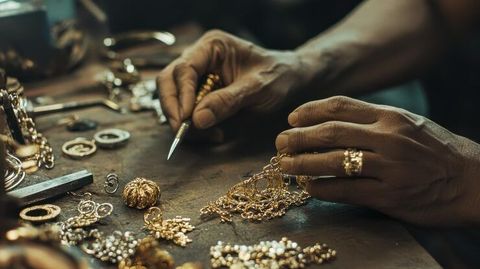
A custom design normally develops through several stages. The concept is first discussed or represented with a sketch. The designer then considers proportions, intended use, metal type, gemstones, setting method, surface finish, and practical requirements.
A design may be produced as a hand drawing, digital model, wax pattern, resin model, or computer-aided design file. The selected method depends on the shape, level of detail, production equipment, and type of jewellery being created.
Importance
Personal Meaning and Practical Design
Custom jewellery design matters because jewellery can carry personal, cultural, or symbolic meaning. A design may incorporate initials, geometric forms, birthstones, family motifs, traditional patterns, or shapes connected with a particular event.
The process also addresses practical questions that are easy to overlook. Ring dimensions, pendant weight, chain attachment points, stone placement, metal thickness, and setting security can influence how a piece behaves during everyday use.
Understanding Materials and Gemstones
Materials affect appearance, durability, weight, maintenance, and manufacturing methods. Common jewellery metals include gold, silver, platinum, and various alloys. The final characteristics depend not only on the metal name but also on its purity, alloy composition, thickness, and surface treatment.
Gemstones also require careful consideration. Natural and laboratory-created stones can differ in origin, properties, appearance, and grading methods. Some stones are more sensitive to impact, heat, chemicals, or sudden temperature changes than others.
A simple planning table can help explain how major choices relate to design:
| Design element | Common choices | Main consideration |
|---|---|---|
| Metal | Gold, silver, platinum | Purity, alloy, durability |
| Gemstone | Diamond, sapphire, ruby, other stones | Hardness, color, treatment |
| Setting | Prong, bezel, channel, pavé | Stone security and appearance |
| Finish | Polished, matte, textured | Surface appearance and maintenance |
| Structure | Ring, pendant, earrings, bracelet | Weight, comfort, movement |
Balancing Appearance and Function
A visually detailed design may require more parts, smaller connections, or more delicate settings. A simpler structure can sometimes make cleaning and routine maintenance easier. The appropriate balance depends on how the jewellery is intended to be worn and handled.
Comfort is also important. Rings need suitable internal dimensions, earrings need appropriate weight distribution, and pendants need secure attachment points. These details form part of jewellery design rather than being separate from appearance.
Recent Updates
Digital Jewellery Design
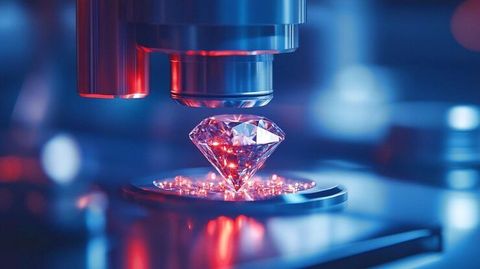
From 2024 through 2026, digital tools have continued to influence custom jewellery design. Computer-aided design allows a three-dimensional model to be examined before physical production. Designers can adjust dimensions, stone positions, proportions, and structural details within the model.
Three-dimensional printing and digital manufacturing have also become useful in prototyping. A digital model can be converted into a physical pattern or production component, depending on the material and manufacturing method. This can make it easier to inspect complex shapes before a final piece is produced.
Greater Attention to Traceability
Traceability has also become more visible in the jewellery sector. In India, BIS continues to use a six-digit Hallmark Unique Identification number, or HUID, for hallmarked gold jewellery. Consumers can use the BIS Care App to verify HUID information associated with a hallmarked item.
Silver hallmarking has also developed. BIS published the revised IS 2112:2025 standard, which introduced HUID-based hallmarking for silver jewellery and articles on a voluntary basis from September 2025. The revised framework includes purity grades and identification information that can be checked through the BIS Care App for applicable hallmarked silver articles.
These developments show a broader movement toward digital records, clearer identification, and greater traceability of precious-metal jewellery. They do not replace the need to understand the design, material, gemstone, or setting itself.
Laws or Policies
Hallmarking in India
In India, hallmarking of precious-metal jewellery is regulated through the Bureau of Indian Standards, or BIS. Gold and silver are currently covered by the Indian hallmarking framework. BIS explains that hallmarking records the proportion of precious metal in an article and uses specified standards for fineness.
For applicable hallmarked gold jewellery, the hallmark includes the BIS Standard Mark, the purity expressed through caratage and fineness, and a six-digit HUID number. The BIS Care App provides a way to verify HUID information.
The applicable requirements depend on the type of article, location, and current government orders. BIS maintains information on mandatory hallmarking areas and registered jewellers, so readers should check the current BIS rules when dealing with a specific piece. A 2025 amendment to the gold hallmarking order revised the list of districts covered by mandatory hallmarking, and BIS recorded another gold hallmarking amendment in 2026.
Records and Consumer Information
BIS guidance states that invoices for hallmarked precious-metal articles should include details such as the article description, net precious-metal weight, purity in carat and fineness, and applicable hallmarking information. Consumers can also have jewellery tested through BIS-recognized Assaying and Hallmarking Centres under the applicable procedures.
Rules for custom jewellery can vary depending on whether the piece is being made, transferred, exhibited, imported, or presented for domestic sale. For a specific legal question, the current BIS notification and applicable Indian consumer rules should be checked rather than relying only on general jewellery guidance.
Tools and Resources
Design and Planning Tools
Several tools can support the custom jewellery design process:
- Sketching software can help develop shapes, proportions, and decorative details.
- Computer-aided design platforms can create three-dimensional jewellery models.
- Stone measurement references can help compare gemstone dimensions and proportions.
- Ring-size charts can provide a starting point for sizing, although physical measurement may be needed for greater accuracy.
- Metal and gemstone reference guides can explain purity, hardness, treatments, and care requirements.
- Digital manufacturing tools can help create prototypes or production patterns from suitable design files.
Jewellery Information Resources
For Indian jewellery questions, the BIS website provides information about hallmarking, standards, registered jewellers, and consumer verification. The BIS Care App includes the HUID verification function for applicable hallmarked jewellery. BIS also publishes lists of licensed jewellers and related hallmarking information.
For gemstone research, recognized gemological references can help readers understand grading terms, treatments, laboratory-created stones, and durability. These resources are useful for learning terminology before discussing a custom design with a jewellery professional.
FAQs
What is custom jewellery design?
Custom jewellery design is the planning and creation of a jewellery piece around a specific concept, material, gemstone, shape, and setting. The process can include sketches, digital models, prototypes, and final production.
How does the jewellery creation process work?
The jewellery creation process commonly moves from concept and sketching to material selection, gemstone selection, setting design, modelling or pattern creation, fabrication, finishing, and inspection. The exact sequence varies by design and production method.
Which materials are used in custom jewellery design?
Common materials include gold, silver, platinum, gemstones, and various alloys. The choice depends on factors such as appearance, purity, strength, weight, intended use, and compatibility with the selected setting.
How do gemstone settings affect jewellery design?
Gemstone settings determine how a stone is held and how much of it is visible. Prong, bezel, channel, and pavé settings each have different structural and visual characteristics, so the setting needs to match the gemstone and overall design.
What is HUID in Indian jewellery?
HUID stands for Hallmark Unique Identification. For applicable hallmarked gold jewellery, it is a six-digit alphanumeric identifier that can be checked through the BIS Care App to view relevant hallmark information.
Conclusion
Custom jewellery design combines creative concepts with decisions about materials, gemstones, settings, structure, and the creation process. Digital modelling and manufacturing tools have expanded the ways designs can be planned and examined before physical production. In India, hallmarking and HUID systems provide identification and purity-related information for applicable precious-metal jewellery. Understanding these elements helps readers interpret how a jewellery design moves from an idea to a finished piece.