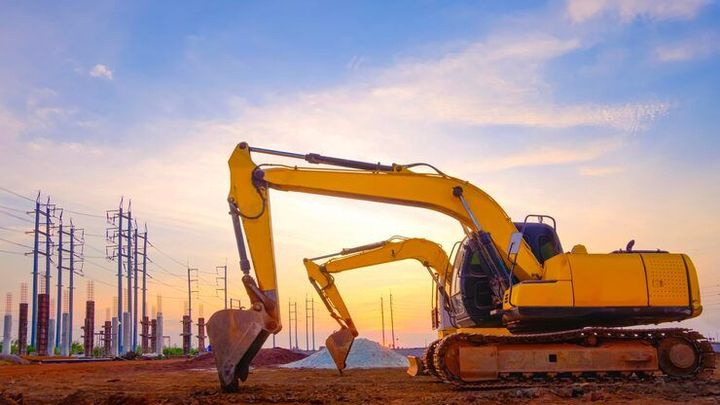
Electric Construction Machinery Guide With Excavators, Loaders, and Heavy Equipment Insights
Electric construction machinery refers to equipment that uses electricity as its main energy source for movement, lifting, digging, loading, or other construction functions. Some machines operate entirely from battery packs, while others use a cable connection or a combination of electrical and other power systems.
Electric excavators are designed for tasks such as trenching, foundation preparation, landscaping, material handling, and site development. Electric loaders can move soil, aggregate, debris, and other materials around a work area. Larger heavy equipment categories can include electric wheel loaders, dump equipment, cranes, compactors, and specialized machines.
The basic operating concept is similar to conventional construction equipment. An electric motor converts electrical energy into mechanical motion. Electronic controllers manage motor speed and torque, while batteries store energy for machines that operate without a continuous external connection.
Why the technology developed
Construction sites often operate in areas where noise, exhaust emissions, indoor air quality, and energy use matter. This created interest in equipment that could perform heavy tasks while producing no direct exhaust emissions during battery operation.
Battery technology has also developed in ways that support larger machinery. Improvements in energy density, thermal management, charging controls, and battery monitoring have helped manufacturers design equipment for longer operating periods and more demanding applications.
Importance
Where electric machinery can be useful
Electric construction machinery can be relevant to many environments. Urban construction, indoor demolition, tunnels, warehouses, utility projects, landscaping, road work, and infrastructure development may have particular interest in machines with lower operating noise and no direct exhaust at the machine.
Electric excavators can be useful where digging is required near buildings or in enclosed areas. Electric loaders can support material movement where repeated loading cycles are needed. Compact machines can also be practical where limited physical space makes maneuvering important.
The usefulness of an electric machine depends on factors such as duty cycle, terrain, load, operating hours, charging access, ambient conditions, and machine size. A battery-powered machine may perform differently from a diesel-powered machine when used continuously under high loads.
Practical issues for operators
The transition to electric heavy equipment also creates new planning requirements. Operators and site managers may need to consider:
- Battery capacity and expected operating time
- Charging equipment and available electrical capacity
- Charging duration between operating periods
- Machine weight and battery placement
- Temperature and environmental conditions
- Maintenance procedures for electrical systems
- Safe handling of high-voltage components
- Transportation and storage requirements
These factors affect how electric construction machinery fits into a particular project. A machine that works well for short operating cycles may require different planning when used for extended excavation or loading.
Environmental and workplace considerations
Battery-electric machinery does not produce direct tailpipe emissions during operation. However, its overall environmental impact also depends on electricity generation, battery production, transportation, and eventual battery handling.
Lower noise can be another important characteristic. Electric motors can operate with less mechanical and engine noise than many conventional machines, although hydraulic pumps, tracks, fans, attachments, and surrounding activities can still create sound.
Recent Updates
Battery and charging developments
From 2024 through 2026, electric construction machinery has continued moving from compact equipment toward a wider range of machine sizes and applications. Battery systems have become a major area of engineering development, with attention placed on energy density, thermal control, charging speed, durability, and monitoring.
Manufacturers have also been working on charging approaches suited to construction environments. Depending on the machine and application, charging may involve fixed electrical connections, mobile charging units, depot charging, or other site-based arrangements.
More connected equipment
Modern electric heavy equipment increasingly uses electronic control systems and onboard monitoring. Operators may receive information about battery state, energy consumption, operating hours, temperature, fault conditions, and machine performance.
Telematics can also help organizations understand how equipment is being used. These systems can record operating patterns and provide information that supports maintenance planning, energy management, and fleet analysis.
Growth beyond compact machines
Early electric construction machinery was particularly visible in compact excavators, mini loaders, and other smaller equipment. The broader market has increasingly examined larger electric excavators, wheel loaders, and specialized heavy equipment.
A major technical challenge remains energy storage. Larger machines require substantial energy for long operating cycles, so battery capacity, charging infrastructure, machine weight, and operating schedules remain important considerations.
| Equipment type | Common applications | Main electrical consideration |
|---|---|---|
| Electric excavator | Digging, trenching, site preparation | Battery capacity and hydraulic demand |
| Electric loader | Material movement and loading | Operating cycle and charging access |
| Compact electric machine | Landscaping, indoor work, utility projects | Compact battery system and maneuverability |
| Electric wheel loader | Aggregate and material handling | Energy use under repeated loading |
| Electric compactor | Soil and surface preparation | Operating duration and charging planning |
Laws or Policies
Equipment emissions rules
Construction machinery is affected by environmental and equipment regulations that vary by jurisdiction. Many regulatory systems establish limits for exhaust emissions from non-road machinery, while some regions also introduce requirements or incentives related to lower-emission equipment.
Battery-electric machinery can avoid direct exhaust emissions during operation, but it still needs to meet applicable electrical, mechanical, workplace, transportation, and safety requirements.
Electrical and workplace safety
High-voltage battery systems introduce safety considerations that differ from conventional machinery. Operators, technicians, and site personnel may need procedures covering isolation, charging, damaged batteries, electrical faults, and access to high-voltage components.
Construction sites may also have rules concerning electrical installations, temporary power, charging equipment, machine operation, worker training, and protective equipment. Requirements differ according to the jurisdiction and the type of project.
Government programs and procurement
Some governments and public institutions have introduced programs intended to reduce construction-related emissions or encourage cleaner equipment. Such programs can involve procurement standards, demonstration projects, emissions targets, infrastructure planning, or financial mechanisms.
Because these policies change over time, organizations need to check the rules that apply to their specific location, machine category, and project type.
Tools and Resources
Machine specification tools
Manufacturer specification sheets, equipment manuals, battery information, and technical data tables are useful for understanding an electric excavator or loader. Important specifications can include operating weight, rated capacity, digging depth, battery capacity, charging requirements, motor output, hydraulic performance, and attachment compatibility.
Energy and operating calculators
Energy-use calculators can help estimate how much electrical energy a machine may require during a work cycle. A useful calculation should consider operating hours, load, idle periods, terrain, temperature, attachment use, and charging losses.
A simple planning approach is:
Energy required = average electrical power × operating time
Actual energy consumption can vary significantly because construction machines rarely operate at a constant load.
Digital fleet platforms
Telematics platforms can organize information about machine location, operating hours, battery state, fault alerts, and energy use. Fleet dashboards can help compare equipment utilization and identify patterns that affect charging schedules.
Training resources
Operator manuals, electrical safety guidance, battery-handling procedures, and construction equipment training materials can help personnel understand the differences between conventional and electric heavy equipment. Technical training is especially relevant when high-voltage systems are involved.
FAQs
What is electric construction machinery?
Electric construction machinery uses electrical power to operate functions such as driving, digging, lifting, loading, or compacting. Battery-electric models store energy onboard, while other designs may use an external electrical connection.
How does an electric excavator work?
An electric excavator uses an electric motor and electronic controls to provide mechanical and hydraulic power. A battery system supplies electricity in battery-powered models, while the controls regulate power according to operating demands.
Are electric loaders suitable for heavy equipment applications?
Electric loaders can be used for material handling, aggregate movement, site preparation, and other construction tasks. Their suitability depends on machine capacity, operating cycle, load requirements, battery capacity, and charging arrangements.
What should be considered when planning electric heavy equipment?
Important considerations include machine size, operating hours, energy demand, charging infrastructure, battery temperature, site layout, transportation, safety procedures, and the availability of trained personnel.
What are the main benefits of electric construction machinery?
Electric construction machinery can provide lower direct operating emissions and reduced noise compared with many conventional machines. It can also support construction activities in locations where exhaust and noise need to be controlled. Actual results depend on machine design, energy source, operating conditions, and project requirements.
Conclusion
Electric construction machinery is changing how excavators, loaders, and other heavy equipment can be powered and managed. Battery technology, charging systems, electronic controls, and telematics are expanding the range of possible applications. At the same time, energy planning, electrical safety, operating conditions, and local regulations remain important parts of equipment selection and use. The technology therefore represents an evolving area of construction engineering rather than a single equipment category.