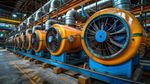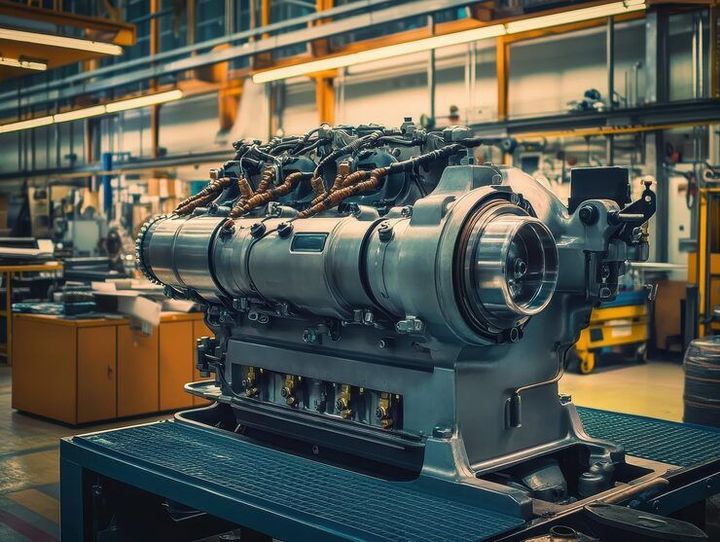
Engine Assembly Machines Guide With Advanced Automation and Industrial Engineering Solutions
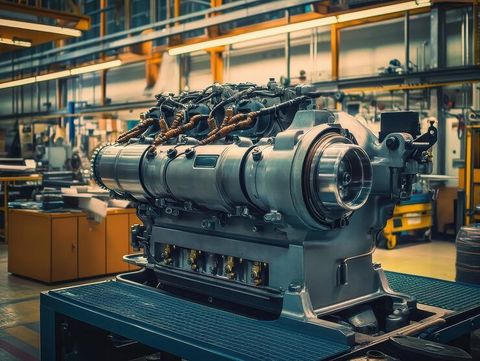
Engine assembly machines are industrial systems used to put together the different components that form an engine. These machines support manufacturing processes in automotive production, industrial equipment manufacturing, agricultural machinery, marine engineering, and other industries that depend on engines for power.
They help workers assemble parts in a planned sequence while maintaining alignment, fastening accuracy, and process consistency.
Engine assembly developed alongside the growth of mechanical engineering and large-scale manufacturing. Early engine production relied heavily on manual tools, skilled workers, and basic fixtures. As production requirements increased, manufacturers introduced specialized equipment for positioning components, tightening fasteners, measuring dimensions, and checking assembled parts.
Modern engine assembly machines combine mechanical equipment, electronic controls, sensors, and software. Some systems perform individual operations, while others connect several assembly stages into a coordinated production line. Advanced automation allows machines to repeat defined tasks with consistent settings and record important production information.
The exact configuration depends on the engine type, component design, manufacturing volume, and required quality standards. Small engines may use flexible assembly stations, whereas larger automotive engines may require multiple interconnected machines.
Main Components of Engine Assembly Systems
An engine assembly system generally includes several elements that work together throughout production.
Assembly fixtures hold engine blocks and other components in position.
Torque-controlled tools tighten bolts and other threaded fasteners according to specified settings.
Robotic handling systems move components between workstations.
Sensors monitor position, pressure, temperature, and other operating conditions.
Inspection equipment checks dimensions, alignment, and assembly quality.
Control software coordinates machine movements and stores production information.
These components help manufacturers organize complicated assembly activities into manageable steps.
Importance
Engine assembly machines matter because engine performance depends on the correct installation and interaction of many individual components. Incorrect fastening, poor alignment, contamination, or an improperly installed seal can affect engine operation and reliability. Structured assembly processes help manufacturers identify and control these risks.
The technology also affects people outside manufacturing facilities. Vehicles, generators, construction equipment, agricultural machines, and marine systems depend on engines assembled under controlled production conditions. Consistent manufacturing processes can contribute to dependable equipment operation and reduce the likelihood of assembly-related defects.
Who Uses Engine Assembly Machines?
Different industries use engine assembly equipment according to their production requirements.
Automotive manufacturers assemble engines for passenger vehicles, commercial vehicles, and other transport applications.
Industrial equipment producers assemble engines for generators, compressors, pumps, and machinery.
Agricultural equipment manufacturers produce engines for tractors and related equipment.
Marine equipment manufacturers assemble engines designed for boats and other vessels.
Engine component manufacturers use specialized stations to prepare subassemblies before final engine installation.
Production engineers, maintenance technicians, quality inspectors, machine operators, and automation specialists may all interact with these systems.
Manufacturing Challenges Addressed by Automation
Manual assembly can involve repetitive movements, variations in tool handling, and difficulty maintaining consistent records across multiple production stages. Automation helps address these challenges by controlling movement, applying defined fastening settings, and checking whether individual operations have been completed.
However, automation does not eliminate every manufacturing risk. Equipment still requires maintenance, calibration, appropriate programming, and trained supervision. Poorly configured machinery can create defects or interrupt production just as manual processes can.
Recent Updates
Engine assembly technology continues to develop through digital controls, connected equipment, robotics, and improved inspection systems. Recent industry trends include greater integration between assembly machinery and manufacturing software, with particular attention to traceability, operational flexibility, and energy use.
Advanced Automation and Robotics
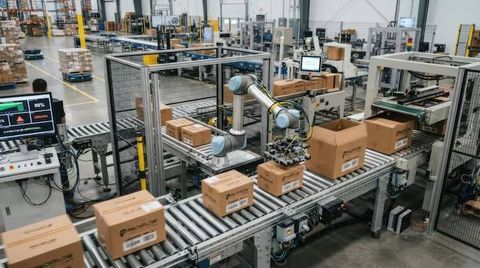
Robotic systems can handle repetitive tasks such as component positioning, material transfer, and selected fastening operations. Automated guided vehicles and autonomous mobile robots may also transport components between production areas, depending on the factory layout and safety requirements.
Collaborative robots are designed to operate in environments where people and robots may share certain work areas under appropriate safeguards. Their use depends on task complexity, equipment design, risk assessment, and applicable safety requirements.
Digital Monitoring and Smart Manufacturing
Connected sensors and industrial software provide information about machine performance and assembly results. Manufacturers can use these records to identify recurring defects, investigate production interruptions, and monitor equipment condition.
Digital traceability is particularly relevant when an engine contains many components that must be assembled in a specific sequence. Electronic records can connect fastening results, component identifiers, and inspection outcomes to an individual engine or production batch.
Artificial Intelligence and Predictive Maintenance
Artificial intelligence is increasingly explored for identifying unusual machine behavior, analyzing inspection images, and detecting patterns in manufacturing data. These applications may help engineers investigate potential quality problems, although results depend on data quality and system validation.
Predictive maintenance uses information such as vibration, temperature, operating cycles, and historical failures to estimate when equipment may need attention. It complements scheduled inspections rather than removing the need for maintenance procedures.
Common Engine Assembly Technologies
Technology | Primary function | Typical application |
|---|---|---|
Automated fastening systems | Control tightening operations | Cylinder heads and engine covers |
Robotic assembly cells | Position or install components | Repetitive component handling |
Vision inspection systems | Identify visible defects or positioning errors | Component verification |
Digital torque monitoring | Record fastening results | Critical bolted connections |
Automated testing equipment | Evaluate defined operating parameters | End-of-line engine testing |
Manufacturing execution systems | Track production activities | Traceability and workflow coordination |
These technologies are often combined rather than installed independently. The appropriate arrangement depends on manufacturing needs, equipment compatibility, and the complexity of the engine.
Laws or Policies
Engine assembly machines are influenced by workplace safety requirements, machinery regulations, environmental controls, and product quality obligations. The applicable rules vary by country, manufacturing location, machine type, and intended use.
Machinery Safety and Worker Protection
Manufacturers and factory operators generally need to address risks involving moving machinery, electrical equipment, unexpected startup, hot surfaces, noise, and heavy components. Safety measures may include physical guards, interlocks, emergency stops, safe maintenance procedures, and appropriate operator training.
International standards can provide guidance for machinery risk assessment, control-system safety, and industrial robot applications. Examples include the ISO 12100 framework for machinery risk assessment and the ISO 10218 series covering industrial robot safety. The applicable edition and legal status should be verified for the relevant jurisdiction.
Environmental and Energy Considerations
Factories may need to comply with rules concerning electricity consumption, industrial emissions, waste handling, noise, and the management of lubricants or other production materials. Automated systems can support monitoring, but compliance depends on actual operating conditions and applicable legal requirements.
Rules in the Indian Manufacturing Context
In India, industrial machinery operations may be subject to the Factories Act framework and applicable state factory rules, alongside relevant occupational safety requirements and electrical safety provisions. The Occupational Safety, Health and Working Conditions Code and associated implementation arrangements may also be relevant, depending on the legal position in force.
Manufacturers should distinguish between workplace safety obligations and requirements that apply to the finished engine or vehicle. Vehicle emission standards, for example, concern the regulated product and its performance, while machinery safety rules address hazards associated with equipment and its operation.
Tools and Resources
Engine assembly planning relies on engineering software, measurement tools, maintenance systems, and production documentation. These resources help teams understand machine capabilities, coordinate operations, and evaluate assembly results.
Engineering and Production Planning Tools
Computer-aided design software allows engineers to develop component models, assembly layouts, and fixture designs. Manufacturing simulation tools can help assess robot movement, workstation accessibility, cycle sequences, and possible production bottlenecks before equipment is installed.
Manufacturing execution systems help coordinate production orders and capture assembly records. Programmable logic controller software is used to configure machine sequences, sensors, actuators, and interlocks.
Quality Measurement and Monitoring Equipment
Common measurement and monitoring resources include:
Digital torque analyzers for checking fastening-tool performance.
Coordinate measuring machines for assessing component geometry.
Pressure and leak-testing equipment for evaluating specified sealing requirements.
Machine condition sensors for monitoring vibration and temperature.
Barcode or RFID systems for tracking components and assembly history.
The measurement range, accuracy, calibration status, and suitability of each instrument should match the relevant production requirement.
Assembly Documentation and Evaluation
Manufacturing teams commonly use assembly work instructions, preventive maintenance schedules, inspection checklists, and machine acceptance criteria. These documents define the expected sequence of operations and explain how abnormal results should be handled.
When evaluating engine assembly machines, engineers may consider several factors:
Production capacity and required cycle time.
Compatibility with engine designs and component dimensions.
Fastening accuracy and inspection capability.
Integration with existing factory systems.
Machine accessibility and maintenance requirements.
Worker safety, energy use, and future production flexibility.
A structured evaluation helps manufacturers compare technical capabilities without relying on unsupported performance claims.
FAQs
What Are Engine Assembly Machines Used For?
Engine assembly machines position, fasten, inspect, and test engine components during manufacturing. They may support individual operations or coordinate several stages of engine production.
How Does Automation Improve Engine Assembly?
Automation controls repetitive movements, applies defined fastening settings, and records production results. Its effectiveness depends on correct programming, maintenance, inspection procedures, and equipment integration.
Which Technologies Are Used in Automated Engine Assembly Lines?
Common technologies include industrial robots, torque-controlled tools, machine vision, programmable logic controllers, sensors, and manufacturing execution software. Their combination depends on the engine design and production requirements.
What Safety Standards Apply to Engine Assembly Machines?
Applicable requirements depend on the country, machinery type, and workplace conditions. Machinery risk assessment, robot safety standards, electrical safeguards, guarding, and maintenance procedures are common areas of consideration.
How Are Engine Assembly Machines Selected for Industrial Production?
Selection generally considers engine dimensions, production volume, assembly sequence, fastening requirements, inspection needs, factory integration, maintenance, and worker safety. Manufacturers also evaluate flexibility when engine designs or production requirements change.
Conclusion
Engine assembly machines support the controlled installation, fastening, inspection, and testing of engine components across several manufacturing industries. Advanced automation, connected sensors, robotics, and digital production records are expanding the ways factories monitor assembly quality and equipment performance. Effective implementation depends on suitable machine design, maintenance, worker training, and compliance with applicable safety and environmental requirements. Understanding these factors provides a foundation for evaluating engine assembly systems and their role in modern industrial engineering.