Explore Commercial Fiber Laser Cutting Machines With Automation and Precision Engineering Details
Commercial fiber laser cutting machines are industrial systems designed to cut metal sheets, plates, tubes, and other compatible materials with a concentrated beam of light. The technology developed from earlier laser cutting approaches and became increasingly practical as fiber-based laser sources improved in efficiency, beam quality, and control.
Today, these machines are used across fabrication, automotive components, machinery production, electronics, construction products, and general metal processing.
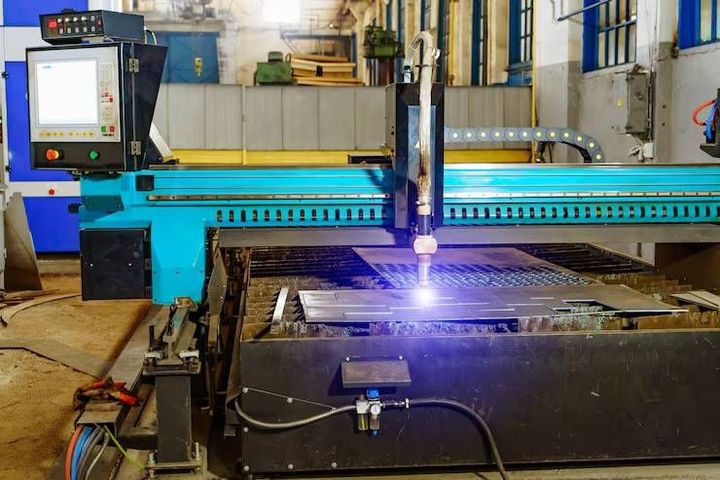
A fiber laser cutting machine converts electrical energy into a laser beam that travels through an optical fiber before being focused onto a workpiece. The concentrated beam heats and melts or vaporizes material along a programmed path, while an assist gas helps clear the cutting zone. Computer numerical control, commonly called CNC, coordinates movement, power, speed, and other parameters.
Commercial systems exist in different configurations. Some are designed for flat sheet processing, while others handle tubes or combine several cutting functions. Automation can add loading, unloading, material positioning, nozzle monitoring, part sorting, and production tracking, connecting the cutting process with broader manufacturing workflows.
Importance
Precision and repeatability
One reason commercial fiber laser cutting machines matter is their ability to create detailed profiles with repeatable movement. CNC control allows a digital drawing to be translated into machine motion, reducing the need for manual marking and cutting. Accuracy still depends on machine construction, material condition, programming, optics, calibration, and process settings.
For manufacturers, repeatability can help maintain consistent dimensions across batches. It can also reduce secondary processing when selected parameters produce an appropriate edge condition. Different metals and thicknesses require different settings, so results need to be evaluated for each application.
Automation and production flow
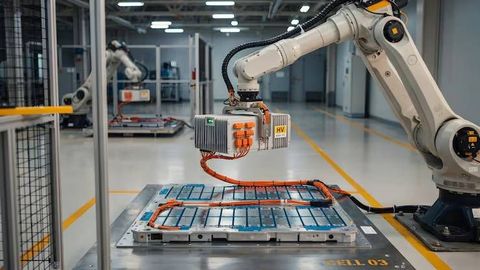
Automation changes how operators interact with the cutting process. Automated material handling can move sheets into position, while sensors and software can monitor selected machine conditions. Part removal and sorting can also be integrated into larger production cells.
Common automation elements include:
- Sheet loading and unloading systems
- Automatic nozzle changing
- Height sensing and collision detection
- Camera or vision-based positioning
- Tube loading and alignment
- Part sorting and collection
- Production monitoring and data logging
These functions can reduce repetitive manual handling and make production data easier to track. They do not remove the need for trained personnel because setup, material verification, inspection, maintenance, and safe operation remain important.
Engineering applications
Commercial fiber laser cutting machines are used for enclosures, brackets, frames, panels, structural components, electrical cabinets, machine parts, and decorative metal components. Their application range depends on laser power, working area, cutting head design, material type, thickness, and machine configuration.
Fiber laser technology is commonly associated with metals such as mild steel, stainless steel, aluminum, brass, and copper. Highly reflective materials require suitable equipment and process controls because reflected laser energy can affect optical components and system operation.
Engineering considerations
| Factor | Typical consideration | Effect on cutting |
|---|---|---|
| Laser power | Selected for material and thickness | Influences cutting capability |
| Beam quality | Stability and focus characteristics | Affects detail and edge quality |
| Cutting head | Focus and height-control design | Supports consistent processing |
| Assist gas | Gas type and pressure | Helps remove molten material |
| CNC control | Motion and process coordination | Supports repeatable profiles |
| Automation | Handling and monitoring functions | Reduces manual process steps |
| Material condition | Grade, thickness, surface state | Influences process stability |
Recent Updates
Higher automation integration
Recent development across industrial laser cutting has focused on connecting machines with automated material handling and digital production systems. Instead of treating the cutting machine as an isolated unit, manufacturers increasingly integrate it with storage systems, conveyors, robotic handling, inspection equipment, and production software.
This approach supports continuous material flow and can reduce idle periods between cutting operations. Automated nesting and scheduling functions can also organize production based on material type, thickness, part requirements, and machine availability.
Smarter process monitoring
Modern fiber laser cutting systems increasingly use sensors and software to observe cutting conditions. Monitoring can identify changes in process behavior and provide information for parameter adjustment or maintenance planning.
Some systems use cameras, optical sensors, and machine data to detect issues such as incomplete penetration, abnormal cutting conditions, nozzle problems, or material positioning errors. These capabilities are part of a broader movement toward data-driven manufacturing.
Energy and material efficiency
Energy management has become an important engineering consideration. Fiber laser sources can provide high electrical-to-optical efficiency compared with several older laser architectures, although total energy use depends on machine power, duty cycle, auxiliary equipment, material, and production pattern.
Software improvements also support material nesting, where multiple parts are arranged within a sheet to reduce unused areas. Actual material efficiency depends on part geometry, kerf width, nesting rules, remnant handling, and production requirements.
Flexible machine configurations
Commercial equipment is increasingly available with combinations of sheet cutting, tube cutting, automated handling, and multi-axis processing. This flexibility allows a single production cell to address different component types within one manufacturing approach.
Higher machine capability can also increase setup complexity. Operators need to understand material parameters, cutting heads, assist gases, programming settings, and safety procedures.
Laws or Policies
Workplace safety requirements
Fiber laser cutting machines operate with high-energy optical systems, moving mechanical components, hot materials, fumes, and compressed gases. Regulations in many jurisdictions therefore address machine guarding, laser exposure, electrical safety, ventilation, fire prevention, and operator training.
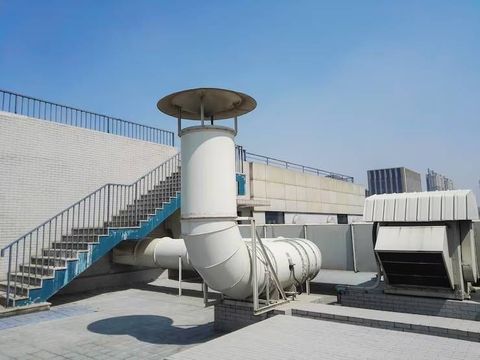
Industrial facilities commonly use enclosed cutting areas or interlocked access systems to limit exposure to the laser beam. Fume extraction is also important because cutting metal can produce airborne particles and gases.
Electrical and machine safety
Commercial equipment is generally expected to meet applicable electrical, machinery, laser, and workplace safety requirements in the jurisdiction where it is installed. Requirements can cover emergency stops, protective enclosures, grounding, warning systems, guarding, maintenance procedures, and risk assessment.
Rules differ between countries and sometimes between regions within the same country. A facility should therefore verify applicable requirements with qualified safety personnel and relevant authorities before commissioning industrial laser equipment.
Environmental considerations
Metal cutting can involve fumes, particulates, noise, compressed gases, and waste material. Environmental rules may address ventilation, emissions, waste handling, and disposal practices. Exact requirements depend on the material being processed and the local industrial environment.
Tools and Resources
CAD and CAM software
Computer-aided design software is used to create part geometry, while computer-aided manufacturing tools translate that geometry into machine instructions. Nesting software can arrange multiple parts on a sheet while considering dimensions, kerf, spacing, grain direction where relevant, and production requirements.
Laser parameter libraries
Parameter libraries can organize cutting settings for different material grades and thicknesses. Typical entries include laser power, cutting speed, focus position, assist gas, gas pressure, nozzle selection, and piercing settings. These values are starting points rather than universal settings because machine configuration and material condition can vary.
Maintenance and inspection tools
Routine maintenance may involve checking protective windows, nozzles, lenses, filters, cooling systems, gas lines, guide systems, and extraction equipment. Diagnostic software can help record machine conditions and maintenance events.
Production monitoring platforms
Manufacturing execution systems and machine-monitoring platforms can collect information such as machine utilization, production quantities, alarms, cycle times, and maintenance events. When connected appropriately, these tools can help production teams understand process performance across multiple machines.
FAQs
What is a commercial fiber laser cutting machine?
A commercial fiber laser cutting machine is a CNC-controlled system that uses a fiber-delivered laser beam to cut compatible materials, particularly metals. Its configuration determines the working area, material range, automation level, and processing capabilities.
How does automation work with fiber laser cutting machines?
Automation can handle material loading, unloading, positioning, part sorting, nozzle changes, and production monitoring. Fiber laser cutting machines can be connected with robots, conveyors, storage systems, and manufacturing software.
What materials can fiber laser cutting machines process?
Many systems process mild steel, stainless steel, aluminum, brass, and copper. The suitable material range depends on the laser source, machine design, cutting head, thickness, assist gas, and manufacturer-specified operating limits.
Why is CNC important in laser cutting?
CNC control coordinates machine movement with programmed cutting parameters. It helps translate digital part drawings into repeatable cutting paths while allowing different settings for geometry, material, and thickness.
What safety measures are important for commercial laser cutting?
Important measures include enclosed beam paths where applicable, interlocked access, suitable ventilation, fume extraction, protective guarding, emergency controls, electrical safeguards, operator training, and documented maintenance procedures.
Conclusion
Commercial fiber laser cutting machines combine concentrated laser energy, CNC motion control, optical systems, and material-handling technologies for modern metal processing. Automation increasingly connects cutting equipment with loading, sorting, inspection, monitoring, and production software. Recent engineering trends emphasize process monitoring, flexible configurations, energy awareness, and digital manufacturing integration. Safe operation depends on appropriate machine design, workplace controls, trained personnel, and compliance with applicable requirements.