Explore Rubber Testing Equipment With Precision Testing and Laboratory Solutions
Rubber is used in many products and industrial components because it can stretch, compress, absorb vibration, resist moisture, and maintain flexibility under different conditions. Natural rubber and synthetic rubber are processed into materials such as seals, hoses, belts, gaskets, rollers, sheets, tires, vibration mounts, and molded components.
Rubber testing equipment provides controlled methods for measuring these characteristics. A laboratory may use instruments to evaluate hardness, tensile strength, elongation, tear resistance, abrasion behavior, compression, resilience, aging, and other material properties. These measurements help laboratories understand how rubber behaves under specific testing conditions.
The development of rubber testing equipment comes from the need to convert material behavior into measurable results. Instead of relying only on visual inspection or manual handling, laboratory testing can apply controlled forces, temperatures, pressures, or repeated movements to a specimen. The resulting measurements can then be compared with technical specifications or established testing procedures.
Rubber testing equipment is used by manufacturers, laboratories, research organizations, quality-control teams, educational institutions, and industries that work with elastomeric materials. The equipment ranges from relatively simple hardness testers to computerized systems designed for detailed mechanical testing.
Importance
Understanding Rubber Material Performance
Rubber can behave differently depending on its formulation, temperature, moisture exposure, curing conditions, and manufacturing process. Two samples that appear similar can produce different results during mechanical testing.
Rubber testing equipment helps identify these differences through measurable properties. A hardness test, for example, examines resistance to indentation, while tensile testing examines how a specimen responds when it is stretched.
Common properties examined with laboratory equipment include:
- Hardness and indentation resistance
- Tensile strength
- Elongation at break
- Tear strength
- Compression behavior
- Abrasion resistance
- Rebound resilience
- Aging characteristics
- Low-temperature flexibility
- Permanent deformation
Supporting Product Quality
Testing can help identify variations in raw materials, production batches, and finished rubber components. Measurements can be recorded and compared with internal specifications or applicable technical standards.
This is particularly relevant for components exposed to repeated mechanical stress. Seals may experience compression, hoses may experience pressure and movement, while belts can undergo repeated tension and bending. Laboratory testing provides a controlled environment for examining these material behaviors.
Applications Across Industries
Rubber testing equipment is used in many areas where elastomeric materials are important. Automotive components, industrial machinery, construction products, electrical equipment, medical-device components, consumer goods, and transportation systems can all involve rubber materials.
Laboratory testing is also relevant during material development. Engineers and researchers can compare different formulations or processing conditions by testing specimens under controlled conditions.
Rubber Testing Equipment Types
Hardness Testing Equipment
Rubber hardness testers measure resistance to indentation. Durometers are widely associated with this type of testing and are available for different hardness ranges and material conditions.
The selected instrument depends on the material and the applicable testing procedure. Because different hardness scales and instruments do not produce directly interchangeable results, the test method and instrument type need to match the intended specification.
Tensile Testing Machines
Tensile testing machines apply a controlled pulling force to a rubber specimen. The equipment can record measurements such as tensile strength, elongation, and related deformation characteristics.
Temperature, extension rate, specimen dimensions, and conditioning can influence the results. For meaningful comparisons, testing conditions should therefore remain consistent.
Tear Testing Equipment
Tear testers examine the force required to propagate a tear through a rubber specimen. This information can be relevant for materials that may encounter cuts, edges, repeated flexing, or mechanical damage during use.
Different specimen shapes and test methods may be used depending on the applicable standard.
Abrasion Testing Equipment
Abrasion testers examine how rubber responds to controlled rubbing or wear conditions. The result can help characterize resistance to material loss under a defined laboratory procedure.
Abrasion testing does not automatically predict how a finished rubber product will perform in every real-world environment. Surface conditions, temperature, loading, contaminants, and other factors can influence actual behavior.
Compression Testing Equipment
Compression testing examines how rubber responds when force is applied to reduce its thickness or shape. Related measurements may include compression characteristics and permanent deformation after a defined period.
Compression behavior is particularly relevant to seals, pads, gaskets, mounts, and other components that remain under pressure.
Aging and Environmental Testing Equipment
Rubber properties can change after exposure to heat, oxygen, ozone, light, chemicals, or other environmental factors. Aging chambers and related laboratory systems allow controlled exposure followed by measurement of selected properties.
Environmental testing can therefore help laboratories understand how a material changes under specified conditions.
Testing Property and Common Equipment
| Rubber Property | Common Equipment | Typical Purpose |
|---|---|---|
| Hardness | Durometer | Measures indentation resistance |
| Tensile strength | Universal testing machine | Measures resistance to pulling force |
| Elongation | Tensile testing machine | Measures stretching before failure |
| Tear strength | Tear tester | Examines resistance to tear propagation |
| Abrasion | Abrasion tester | Examines controlled wear behavior |
| Compression | Compression testing system | Examines deformation under compression |
| Resilience | Rebound resilience tester | Measures elastic rebound behavior |
| Aging | Aging chamber | Examines changes after environmental exposure |
| Low-temperature behavior | Temperature-controlled tester | Examines material response at reduced temperatures |
Recent Updates
Greater Use of Digital Measurement
Rubber testing laboratories are increasingly using digital measurement systems that can record test conditions and results automatically. Computer interfaces can make it easier to monitor force, displacement, temperature, time, and other parameters during a test.
Digital data collection also supports organized laboratory records. Instead of relying entirely on handwritten measurements, test information can be stored electronically and reviewed for variations between specimens or batches.
Increased Attention to Test Consistency
Recent developments in rubber testing continue to emphasize controlled test conditions. Temperature, humidity, specimen preparation, conditioning, loading rate, and measurement procedures can influence laboratory results.
Standardized procedures remain important because results from different laboratories are easier to compare when the same basic conditions and methods are followed.
Development of Testing Standards
Standards organizations continue reviewing and developing procedures for rubber hardness, abrasion, tensile properties, low-temperature behavior, and other characteristics. Recent standards activity includes new and revised documents addressing specific rubber applications and test conditions.
The broader trend is toward more clearly defined procedures, improved measurement repeatability, digital data handling, and testing methods that address increasingly specialized rubber materials.
More Specialized Rubber Testing
Modern elastomer formulations can contain different polymers, fillers, additives, and reinforcing materials. As material formulations become more specialized, laboratories may require equipment capable of evaluating particular performance characteristics rather than relying on a single general test.
This has increased interest in specialized environmental, dynamic, thermal, and mechanical testing systems.
Laws or Policies
Role of Technical Standards
Rubber testing is influenced by technical standards developed by international and national standards organizations. Standards can define specimen dimensions, conditioning requirements, equipment characteristics, test procedures, calculation methods, and reporting practices.
The exact standard depends on the material and intended application. A hardness test and a tensile test, for example, use different equipment and procedures.
Product and Workplace Requirements
In many markets, rubber products may be subject to product-specific requirements related to safety, chemical composition, environmental conditions, or performance. These requirements can differ according to the product category and intended use.
Laboratories therefore need to identify the applicable requirements before selecting a testing procedure. A general rubber test should not automatically be treated as evidence of compliance with every regulatory requirement.
Laboratory Quality Practices
Testing laboratories may also follow quality-management and laboratory-competence frameworks. These frameworks can address equipment calibration, measurement traceability, record keeping, staff competence, sample handling, and reporting procedures.
Testing equipment itself should be maintained and checked according to appropriate laboratory procedures. Accurate measurements depend not only on the instrument but also on specimen preparation, environmental conditions, calibration, and operator practices.
Tools and Resources
Standards Databases
Standards databases help laboratories identify test methods relevant to particular rubber materials and products. Search tools can be used to locate standards covering hardness, tensile behavior, abrasion, compression, aging, and other properties.
Laboratory Data Software
Testing software can record measurements, generate graphs, calculate material properties, and organize test records. These systems are particularly useful when laboratories conduct repeated tests across many specimens.
Calibration Tools
Calibration and verification equipment supports measurement accuracy. Force, displacement, temperature, pressure, and dimensional measurements may require different verification approaches depending on the instrument.
Specimen Preparation Equipment
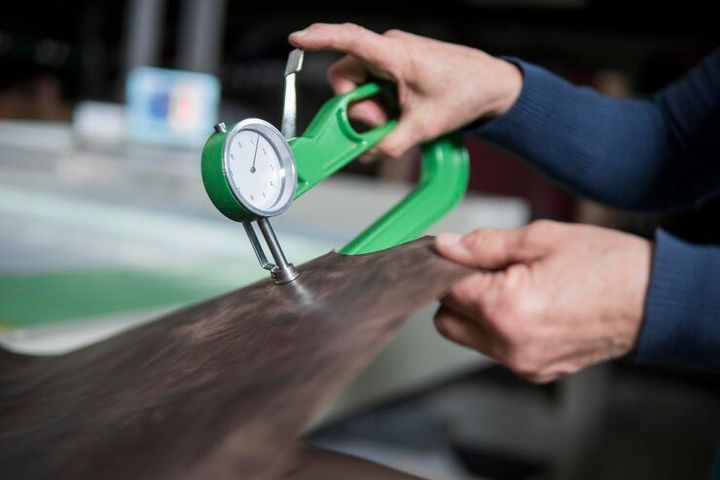
Accurate specimen preparation is an important part of rubber testing. Cutting dies, thickness gauges, measurement tools, conditioning chambers, and specimen fixtures can help laboratories prepare samples according to defined procedures.
Technical Documentation
Test-method documents, laboratory procedures, equipment manuals, calibration records, and specimen-preparation instructions are useful resources for maintaining consistent testing practices.
FAQs
What is rubber testing equipment used for?
Rubber testing equipment is used to measure properties such as hardness, tensile strength, elongation, tear resistance, abrasion behavior, compression, resilience, and environmental aging.
Which rubber testing equipment measures hardness?
A rubber hardness tester or durometer is commonly used to measure indentation hardness. The appropriate instrument type depends on the rubber material and the selected testing procedure.
How does rubber testing equipment measure tensile strength?
A tensile testing machine stretches a prepared rubber specimen under controlled conditions. The machine records force and deformation, allowing properties such as tensile strength and elongation to be calculated.
Why is rubber abrasion testing important?
Rubber abrasion testing examines how a material responds to controlled wear. It can provide information about abrasion resistance under a specified laboratory procedure, although laboratory results do not represent every possible field condition.
How are rubber testing laboratories improving accuracy?
Laboratories can improve consistency through controlled specimen preparation, appropriate conditioning, calibrated instruments, standardized procedures, environmental control, and digital recording of test data.
Conclusion
Rubber testing equipment provides controlled methods for examining the physical and mechanical behavior of rubber materials. Hardness testers, tensile machines, tear testers, abrasion systems, compression equipment, and environmental chambers address different testing requirements. Current developments emphasize digital measurement, consistent procedures, specialized testing, and improved laboratory data management. Proper specimen preparation, equipment verification, test conditions, and applicable standards remain important for producing meaningful laboratory results.