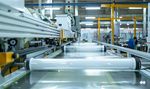
Fuel Cell Stack Assemblers Information With Fuel Cell Manufacturing and Technical Knowledge
Fuel cell stack assemblers play an important role in fuel cell manufacturing by bringing together the individual components that generate electricity through an electrochemical reaction.
A fuel cell converts the chemical energy of a fuel, commonly hydrogen, into electrical energy without relying on conventional combustion. This process also produces heat, while the overall environmental impact depends on the fuel source and the complete energy production system.
Fuel cell stack assembly involves arranging multiple individual cells into a connected structure. Each cell contains essential components, including electrodes, an electrolyte, conductive plates, and sealing materials. When these components are assembled correctly, the cells work together to provide the voltage and electrical output required for a particular application.
Fuel cell stack assemblers may refer to specialized machines, automated production systems, or the equipment and technical processes used to manufacture complete stacks. These systems are found in manufacturing facilities that produce fuel cells for transportation, stationary electricity generation, industrial equipment, and research applications.
Understanding Fuel Cell Stack Construction
A fuel cell stack contains multiple cells arranged in a sequence. Individual cells generate relatively small amounts of electrical energy, so combining them allows manufacturers to achieve the output required for larger systems.
The main components include:
Membrane electrode assemblies, which contain the materials involved in the electrochemical reaction.
Bipolar plates, which distribute gases and conduct electrical current between adjacent cells.
Gaskets and seals, which help prevent gas leakage and maintain separation between fluid channels.
End plates and fastening systems, which hold the stack together under controlled mechanical pressure.
Electrical connections, which transfer generated power to external equipment.
The design varies according to the fuel cell technology. Proton exchange membrane fuel cells, solid oxide fuel cells, and other configurations have different operating temperatures, materials, sealing requirements, and assembly procedures.
How Stack Assembly Works
The assembly process generally begins with component inspection and preparation. Automated or semi-automated equipment positions the cell layers, aligns the plates, installs seals, and applies controlled compression.
After stacking, the assembly may undergo fastening, electrical connection, leak testing, and performance evaluation. Manufacturers use measurement systems and inspection procedures to identify alignment problems, damaged components, or inconsistent compression before the stack moves into further production stages.
Importance
Fuel cell stack assemblers matter because the reliability of a fuel cell depends on the quality and consistency of its individual components and their integration. Small assembly errors can affect gas distribution, electrical conductivity, sealing performance, and the useful life of the finished stack.
Manufacturing equipment helps address these challenges by repeating precise operations and recording production measurements. Automated positioning systems can reduce variation between cells, while inspection technologies can identify defects that might otherwise remain unnoticed until the stack undergoes performance testing.
Applications Across Industries
Fuel cell manufacturing supports several areas of modern energy technology.
Transportation: Fuel cell stacks can supply electrical power for selected passenger vehicles, commercial vehicles, buses, and material-handling equipment.
Stationary power: Fuel cells can generate electricity for buildings, industrial facilities, and distributed energy systems.
Industrial applications: Certain fuel cell systems support specialized equipment where electrical power, operating duration, or local emissions are important considerations.
Research and development: Laboratories use smaller assembly systems to evaluate materials, stack designs, and operating conditions.
Backup electricity: Fuel cell systems can provide power in applications that require an alternative to conventional generators or battery-based arrangements.
Manufacturing Challenges and Quality Control
Stack assembly requires careful control over several manufacturing variables. Uneven pressure can damage delicate layers or create inconsistent contact between components. Poor alignment may obstruct gas channels, while inadequate sealing can allow reactant gases or cooling fluids to escape.
Manufacturers also need to manage component cleanliness, material compatibility, assembly speed, and traceability. Automated systems can record measurements at different production stages, helping engineers identify recurring defects and investigate their causes.
The following table summarizes common assembly operations and their purposes.
Assembly operation | Main purpose | Typical quality check |
|---|---|---|
Component inspection | Identify damage or dimensional variation | Visual and dimensional inspection |
Layer alignment | Position cells and plates correctly | Camera or positioning measurements |
Seal placement | Maintain separation between gases and fluids | Seal position and condition |
Stack compression | Establish consistent mechanical contact | Pressure and displacement monitoring |
Fastening | Maintain stack integrity | Torque or fastening verification |
Leak testing | Identify unwanted gas or fluid leakage | Pressure-decay or tracer-gas testing |
Electrical testing | Assess electrical connections and output | Resistance and performance measurements |
Recent Updates
Fuel cell manufacturing continues to develop through improvements in automation, digital inspection, material engineering, and production monitoring. Across the 2024–2026 period, the broader industry trend has been toward more repeatable assembly processes, improved manufacturing data collection, and production methods that can accommodate different stack designs.
Automation and Robotics
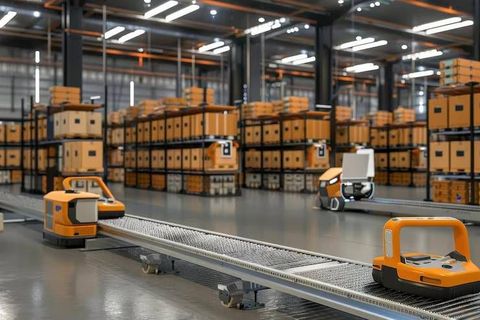
Robotic handling systems can move delicate membrane electrode assemblies and plates between production stations. Vision-guided equipment helps identify component orientation and positioning, while programmable systems allow manufacturers to adjust assembly sequences for different products.
Automation does not eliminate the need for human oversight. Engineers still need to validate equipment settings, inspect unusual defects, maintain machinery, and confirm that finished stacks meet their design specifications.
Digital Monitoring and Inspection
Digital manufacturing systems increasingly connect assembly equipment with sensors, inspection cameras, and production databases. These systems can record pressure, alignment, fastening measurements, and test results for individual stacks.
The collected information supports traceability and process improvement. Data analysis can help identify patterns in recurring defects, although its usefulness depends on measurement accuracy, suitable software, and effective interpretation.
Materials and Production Efficiency
Research into membranes, catalyst layers, bipolar plates, coatings, and sealing materials continues to influence stack manufacturing. Manufacturers seek combinations that balance electrical performance, durability, material use, and manufacturability.
Production facilities are also evaluating ways to reduce component waste, simplify assembly steps, and improve equipment utilization. The practical results vary according to fuel cell chemistry, manufacturing volume, product design, and the maturity of the production process.
Comparison of Assembly System Types
System type | Typical characteristics | Common application |
|---|---|---|
Manual assembly | Operator-controlled placement and inspection | Laboratory development and small batches |
Semi-automated assembly | Mechanical assistance for selected operations | Pilot production and flexible manufacturing |
Fully automated assembly | Integrated handling, positioning, and monitoring | Repetitive, higher-volume manufacturing |
Modular assembly line | Separate stations for individual production steps | Manufacturing with multiple process stages |
Laws or Policies
Fuel cell stack assembly is affected by regulations and technical requirements related to workplace safety, electrical equipment, pressure systems, environmental protection, and hydrogen handling. The exact obligations depend on the country, facility design, fuel cell technology, and intended application.
Because no single target country has been specified, the following overview describes general regulatory areas rather than the legal requirements of a particular jurisdiction.
Workplace and Equipment Safety
Manufacturing facilities generally need to assess risks associated with moving machinery, electrical systems, compressed gases, hot surfaces, and chemical materials. Relevant requirements may address machine guarding, emergency stops, ventilation, worker training, equipment maintenance, and safe operating procedures.
Hydrogen systems require particular attention because hydrogen is highly flammable and can leak through small openings. Appropriate ventilation, leak detection, ignition-source control, and equipment designed for the operating environment are important elements of risk management.
Product Testing and Technical Standards
Fuel cell stacks and their associated equipment may be subject to technical standards covering safety, performance, electrical compatibility, and testing procedures. Requirements differ across stationary power systems, vehicles, and other applications.
Manufacturers may also need documented quality management processes, component traceability, and testing records. Compliance with a technical standard does not automatically establish compliance with every applicable law or approval requirement.
Environmental and Energy Policies
Government programs in various regions support hydrogen infrastructure, clean energy research, industrial development, and low-emission transportation. The availability and structure of these programs change over time and may depend on project eligibility, local policy, and funding conditions.
Environmental requirements can also affect manufacturing operations through waste handling, chemical management, emissions control, and energy use. Facilities must determine which rules apply to their specific processes and location.
Tools and Resources
Fuel cell stack manufacturing involves engineering tools, inspection equipment, testing systems, and production documentation. These resources help manufacturers evaluate designs, control assembly processes, and verify the performance of completed stacks.
Engineering and Design Tools
Computer-aided design software helps engineers develop stack layouts, component dimensions, fastening arrangements, and gas channel configurations. Computational fluid dynamics tools can evaluate gas distribution and fluid movement, while mechanical simulation software can examine stress, compression, and thermal behavior.
These tools support design analysis, but simulation results depend on the assumptions, material properties, and boundary conditions used in the model.
Assembly and Testing Equipment
Common equipment includes:
Precision positioning systems for aligning cell layers and plates.
Robotic handling equipment for repeatable component movement.
Force and displacement sensors for monitoring compression.
Torque monitoring tools for checking fastening operations.
Pressure-testing equipment for evaluating leakage.
Electrical measurement instruments for checking resistance, voltage, and current.
Environmental chambers for assessing performance under controlled temperatures and humidity.
The selection of equipment depends on the stack dimensions, materials, expected production volume, and required testing procedures.
Production Data and Documentation
Manufacturing execution systems can track production stages, component batches, inspection results, and equipment status. Digital work instructions help standardize assembly procedures, while quality checklists provide structured records for each production stage.
A typical stack assembly checklist may include component identification, dimensional inspection, seal placement, compression measurements, fastening verification, leak-test results, and electrical performance data. Consistent documentation makes it easier to investigate defects and compare production batches.
FAQs
What is a fuel cell stack assembler?
A fuel cell stack assembler is a machine, integrated production system, or assembly process used to combine individual fuel cells into a functioning stack. It may include alignment equipment, robotic handling, compression systems, fastening tools, and inspection instruments.
How does fuel cell stack assembly work?
Fuel cell stack assembly involves inspecting components, arranging individual cells and plates, positioning seals, applying controlled compression, and securing the stack. Manufacturers then perform appropriate leak, electrical, and performance tests.
Which industries use fuel cell stack assemblers?
Fuel cell stack assemblers are used in manufacturing for transportation, stationary electricity generation, industrial power systems, and research applications. The equipment configuration depends on the stack design and intended operating environment.
What quality checks are required in fuel cell manufacturing?
Common checks include dimensional inspection, layer alignment, seal verification, compression measurement, fastening checks, leak testing, and electrical performance evaluation. The specific test sequence depends on the technology and applicable requirements.
What is the difference between manual and automated fuel cell stack assembly?
Manual assembly relies primarily on operator-controlled procedures, while automated assembly uses programmed equipment for repetitive operations. Semi-automated systems combine operator involvement with mechanical assistance, allowing manufacturers to balance process control and production flexibility.
Conclusion
Fuel cell stack assemblers are an important part of fuel cell manufacturing because they combine individual cells into reliable electrical power systems. Their functions include component positioning, controlled compression, fastening, inspection, and performance testing. Automation, digital monitoring, and materials development continue to influence production methods across the industry. Equipment selection and manufacturing procedures depend on the fuel cell technology, application requirements, quality controls, and relevant safety regulations.