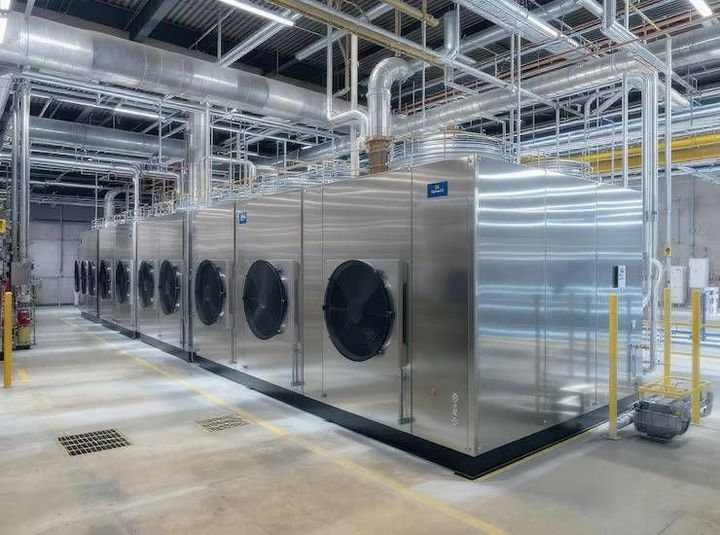
Industrial Drying Technologies for Food, Chemical, and Pharmaceutical Manufacturing
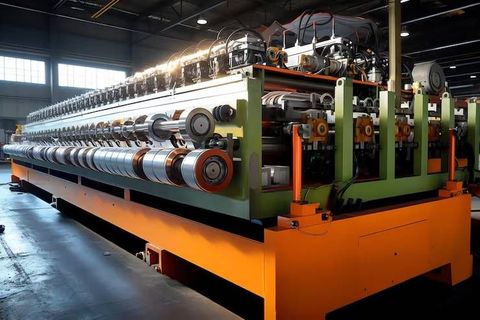
Industrial drying technologies play an important role in food processing, chemical production, and pharmaceutical manufacturing. These technologies remove moisture or other volatile substances from materials to achieve a suitable level of dryness, improve stability, and prepare products for storage, packaging, or further processing.
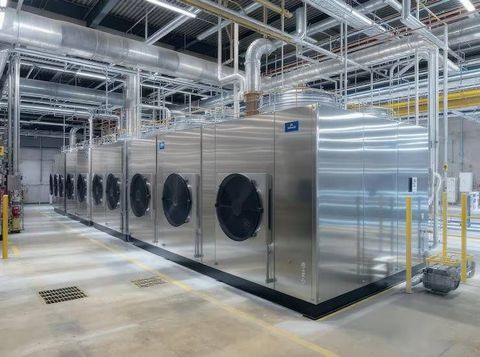
Industrial drying systems range from heated air dryers to advanced vacuum, spray, freeze, and fluidized bed drying equipment.
Drying has been used for centuries to preserve agricultural products, herbs, and other materials. Traditional methods relied on sunlight and natural airflow, while modern industrial processes use controlled temperatures, airflow, pressure, and humidity to achieve more consistent results. The development of mechanical drying systems has made it possible to process large quantities of materials under controlled operating conditions.
Different industries require different drying methods because their materials have distinct physical and chemical properties. Food products may contain heat-sensitive nutrients, chemical powders may require precise moisture control, and pharmaceutical ingredients may need carefully managed processing conditions. Selecting an appropriate industrial drying technology depends on the material, its intended use, the required moisture level, and the characteristics of the finished product.
How Industrial Drying Systems Work
Industrial dryers transfer heat to wet materials and help moisture move away from the product. Depending on the equipment, heat may come from heated air, steam, electrical elements, infrared radiation, or another suitable source. Some systems also reduce pressure to help moisture evaporate at lower temperatures.
The main operating stages generally include:
Material preparation: Wet solids, liquids, slurries, or granules are prepared for processing.
Heat transfer: Energy reaches the material through direct contact, heated surfaces, or radiation.
Moisture removal: Water evaporates or moves out of the material under controlled conditions.
Product collection: The dried material is collected, cooled when necessary, and prepared for its next processing stage.
The actual sequence depends on the dryer design and the properties of the material being processed.
Importance
Industrial drying matters because moisture can affect product stability, physical characteristics, storage requirements, and manufacturing efficiency. Excess moisture may encourage microbial growth in certain foods, contribute to unwanted chemical changes, or cause powders to clump during handling. In pharmaceutical production, inconsistent moisture levels can also affect the physical properties and processing behavior of ingredients.
Food manufacturers use drying systems to process products such as milk powder, cereals, fruit ingredients, spices, and dehydrated vegetables. Chemical manufacturers use them for pigments, mineral compounds, catalysts, polymers, and various industrial powders. Pharmaceutical facilities apply drying processes to suitable ingredients, granules, and other materials where moisture control forms part of the manufacturing process.
Benefits Across Different Industries
The importance of industrial drying varies according to the material and its intended application.
Food manufacturing: Drying reduces moisture in selected products, helping support shelf stability when combined with appropriate packaging and storage.
Chemical production: Controlled drying helps prepare powders, crystals, granules, and other materials for subsequent manufacturing stages.
Pharmaceutical manufacturing: Defined drying conditions help maintain consistency in moisture-sensitive materials and support established quality requirements.
Agricultural processing: Drying grains, seeds, and plant materials can help manage moisture before storage or further processing.
Industrial materials: Drying can prepare coatings, ceramics, and other materials for finishing or additional treatment.
Common Challenges in Industrial Drying
Drying is not simply a matter of applying heat until a material becomes dry. Excessive temperatures may damage heat-sensitive ingredients, while insufficient drying can leave unwanted moisture inside the product. Uneven airflow, changes in particle size, and variations in incoming moisture can also create inconsistent results.
Energy use is another important consideration because evaporation requires thermal energy. Manufacturers therefore evaluate heat recovery, insulation, airflow management, equipment capacity, and processing time when assessing a drying system. Dust control, worker safety, cleaning requirements, and emissions management may also influence equipment selection.
Recent Updates
Recent developments in industrial drying emphasize energy efficiency, process automation, improved monitoring, and better control of product quality. Rather than relying only on fixed operating settings, modern systems increasingly use sensors and control software to adjust conditions according to the material and its moisture level.
Automation and Process Monitoring
Temperature sensors, humidity measurements, pressure instruments, and moisture analyzers help operators monitor drying conditions. Automated controls can adjust airflow, heating, and processing time within established operating limits. These systems can help identify process variations earlier, although their effectiveness depends on sensor accuracy, equipment design, and appropriate calibration.
Digital monitoring is also becoming more common in facilities that record production parameters for quality assurance. Historical process data can help operators identify recurring problems, compare production batches, and investigate unexpected variations.
Energy-Efficient Drying Technologies
Heat pump dryers, waste-heat recovery systems, improved insulation, and optimized air circulation are receiving attention as manufacturers examine energy use. Heat pump systems can recover and reuse heat under suitable operating conditions, while heat recovery equipment can capture energy from exhaust streams.
Microwave-assisted drying and infrared drying are also used in selected applications. These methods can provide different heating characteristics from conventional hot-air systems, but their suitability depends on the material, equipment configuration, and required product quality.
Comparison of Industrial Drying Technologies
| Drying technology | Typical applications | Main operating characteristic |
|---|---|---|
| Spray drying | Milk ingredients, food extracts, chemical solutions | Converts liquid feeds into powders using heated gas |
| Fluidized bed drying | Granules, particles, selected chemical materials | Suspends particles in an upward flow of gas |
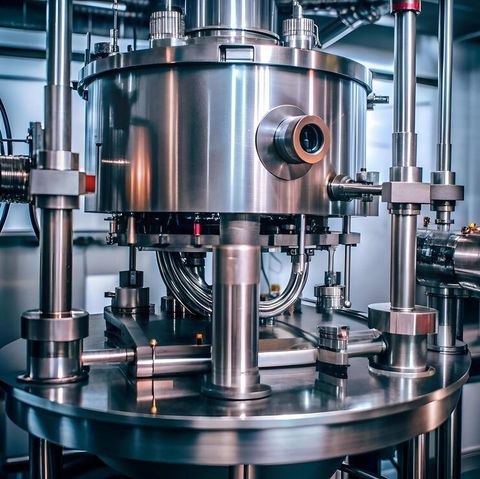
| Vacuum drying | Heat-sensitive materials and specialty chemicals | Reduces pressure to support moisture removal at lower temperatures |
| Freeze drying | Selected food ingredients and sensitive materials | Removes ice through sublimation under controlled vacuum |
| Rotary drying | Minerals, bulk solids, and certain agricultural materials | Moves material through a rotating heated drum |
| Tray drying | Small batches of solids, herbs, and selected ingredients | Uses heated air around material arranged on trays |
Each method has operating limitations. Spray drying is suited to pumpable feeds, fluidized bed drying requires appropriate particle characteristics, and freeze drying generally involves a more complex process than conventional thermal drying.
Laws or Policies
Industrial drying facilities must consider the laws and technical requirements that apply to their location, industry, materials, emissions, and workplace activities. Requirements differ between food processing, chemical manufacturing, and pharmaceutical production, so a single set of rules does not cover every application.
Food Processing Requirements in India
In India, food businesses fall under the regulatory framework administered by the Food Safety and Standards Authority of India (FSSAI). Applicable food safety requirements address matters such as hygiene, manufacturing practices, contamination prevention, and the handling and storage of food products.
Industrial drying equipment used in food production must be suitable for its intended application and incorporated into appropriate sanitation and process-control procedures. Drying alone does not establish that a food product is safe; factors such as packaging, storage conditions, and contamination controls remain important.
Pharmaceutical Manufacturing Requirements
Pharmaceutical manufacturing in India is governed by the Drugs and Cosmetics Act and associated rules, including applicable Good Manufacturing Practices requirements. These provisions address manufacturing controls, documentation, equipment suitability, and quality assurance.
Drying processes may need defined operating parameters, documented procedures, and appropriate validation, depending on the product and applicable regulatory requirements. Facilities must determine which requirements apply to their specific materials and manufacturing activities.
Chemical Manufacturing and Environmental Compliance
Chemical facilities may be subject to environmental requirements concerning air emissions, wastewater, waste management, and industrial pollution control. Relevant provisions may involve the Central Pollution Control Board, State Pollution Control Boards, and applicable national or state legislation.
Dryers handling powders, solvents, or combustible dust may also require suitable ventilation, containment, fire prevention, and workplace safety measures. Applicable requirements depend on the substances involved, process design, facility location, and the potential hazards identified through a risk assessment.
Tools and Resources
Industrial drying decisions involve material properties, operating conditions, equipment design, and regulatory documentation. Several categories of tools can help engineers, production teams, and students understand these factors.
Process Calculation Tools
Moisture content calculators help estimate the amount of water that must be removed from a material. A basic moisture balance can support preliminary calculations before equipment capacity and operating conditions are evaluated.
For example, a material's wet-basis moisture content can be calculated as:
Wet-basis moisture (%) = (Mass of water ÷ Total mass of wet material) × 100
Other useful calculations include evaporation rate, energy requirements, air humidity, and drying time. These estimates depend on the assumptions and measurements used, so they should not replace detailed equipment design or process testing.
Equipment Selection and Monitoring Resources
Useful resources include:
Moisture analyzers: Measure moisture levels in suitable samples using methods such as loss on drying or other analytical techniques.
Temperature and humidity sensors: Track environmental conditions inside drying equipment and surrounding process areas.
Process simulation software: Helps model heat transfer, airflow, evaporation, and related process variables.
Equipment manuals: Explain operating limits, maintenance procedures, cleaning requirements, and safety precautions.
Regulatory guidance portals: FSSAI, the Central Pollution Control Board, and the Central Drugs Standard Control Organisation provide information relevant to applicable food, environmental, and pharmaceutical requirements.
These resources support technical understanding and process documentation. The appropriate combination depends on the industry, material, equipment configuration, and required level of process control.
FAQs
What are the main types of industrial drying technologies?
Common types include spray drying, fluidized bed drying, vacuum drying, freeze drying, rotary drying, and tray drying. Each method uses different mechanisms to remove moisture and is suited to particular material properties and production requirements.
How does industrial drying equipment work in food manufacturing?
Food drying equipment transfers heat to a product and removes moisture through evaporation or other controlled mechanisms. Temperature, airflow, processing time, and final moisture levels depend on the food and the intended storage or processing conditions.
Which industrial drying technology is suitable for heat-sensitive materials?
Vacuum drying and freeze drying are used for selected heat-sensitive materials because they can support moisture removal under conditions that reduce exposure to high temperatures. The appropriate method depends on the material's sensitivity, physical properties, and required final characteristics.
What factors affect industrial dryer energy consumption?
Important factors include incoming moisture content, the amount of water removed, operating temperature, airflow, insulation, equipment efficiency, and heat recovery. Material characteristics and production requirements also influence total energy use.
What regulations apply to industrial drying equipment in India?
Applicable requirements depend on the industry and the substances being processed. Food facilities must consider relevant FSSAI requirements, pharmaceutical manufacturers must follow applicable manufacturing rules, and chemical facilities may need to meet environmental, fire safety, and workplace requirements.
Conclusion
Industrial drying technologies support food processing, chemical production, pharmaceutical manufacturing, and other industries by controlling moisture under defined operating conditions. Spray, fluidized bed, vacuum, freeze, rotary, and tray dryers serve different purposes based on material properties and production requirements. Automation, process monitoring, and energy recovery are important developments in modern drying operations. Equipment selection and operation must account for product quality, energy use, worker safety, and applicable regulatory requirements.