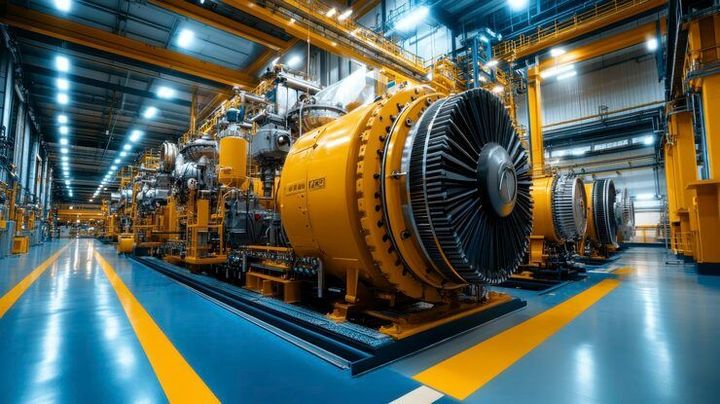
Industrial Machinery Energy Systems Information With Automation, Power Control, and Technical Insights
Industrial machinery energy systems are the electrical, mechanical, thermal, and control technologies that provide power to machines used in manufacturing, processing, construction, material handling, and other industrial activities. These systems connect energy sources with motors, drives, controllers, sensors, heating equipment, pumps, compressors, and automated production equipment.
The development of industrial machinery energy systems began with basic mechanical power transmission and gradually expanded as electrical motors and industrial control equipment became widely used. Modern systems combine electrical distribution, power electronics, automation, monitoring, and data analysis to manage how machines receive and use energy.
Industrial energy systems can include motor control centers, variable frequency drives, transformers, switchgear, industrial batteries, power monitoring equipment, programmable logic controllers, sensors, and energy management software. The exact configuration depends on the machinery, production process, operating conditions, and required power characteristics.
How Industrial Energy Systems Work
An industrial energy system normally begins with an electrical or other energy source. Distribution equipment then transfers energy to individual machines or production areas. Controllers and protection devices regulate the flow while sensors provide information about operating conditions.
A simplified system can include:
- Energy input for supplying electrical or thermal power
- Distribution equipment for transferring power
- Motors and actuators for mechanical movement
- Drives for controlling motor speed and torque
- Sensors for measuring temperature, pressure, current, vibration, and other conditions
- Controllers for coordinating machine operations
- Monitoring platforms for recording energy and equipment information
This arrangement allows machinery to operate according to defined production requirements rather than simply running at a fixed operating level.
Role of Automation
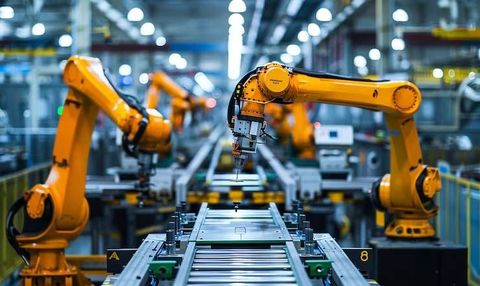
Automation has become closely connected with industrial machinery energy systems. A programmable logic controller can receive information from sensors and send commands to motors, valves, conveyors, pumps, and other equipment.
Automated power control can also coordinate machine startup and shutdown sequences. This can help reduce unnecessary operation and improve the consistency of industrial processes.
Importance
Industrial machinery can require substantial amounts of electricity or other forms of energy. Energy systems therefore influence machine operation, production continuity, equipment protection, and environmental performance.
The topic affects manufacturers, plant operators, engineers, maintenance teams, facility managers, equipment designers, and organizations that monitor industrial energy use. It also affects broader infrastructure because large industrial facilities can place significant demands on electrical networks.
Managing Industrial Energy Use
One important purpose of modern energy systems is to match energy consumption with actual machine requirements. Motors, pumps, fans, compressors, heaters, and conveyors do not always need to operate at their maximum capacity.
Variable frequency drives can adjust motor speed according to process requirements. Automated controls can also reduce unnecessary machine operation during idle periods.
Common areas for monitoring include:
- Motor electricity consumption
- Peak electrical demand
- Machine operating hours
- Voltage and current conditions
- Power factor
- Heating and cooling requirements
- Compressed-air consumption
- Energy consumption per production unit
Monitoring these factors creates a clearer picture of how industrial machinery uses energy.
Power Quality and Equipment Protection
Power quality is another important consideration. Voltage variations, electrical disturbances, harmonics, and unbalanced loads can affect sensitive industrial equipment.
Protection equipment such as circuit breakers, fuses, relays, surge protection devices, and monitoring systems can help identify or isolate abnormal electrical conditions. Proper system design also considers grounding, short-circuit protection, electrical isolation, and equipment ratings.
Energy Systems and Industrial Automation
Industrial automation systems increasingly combine machine control with energy information. A production controller may collect operating information while a separate energy monitoring platform records electrical consumption.
This creates a connection between production activity and energy use. For example, a facility can compare machine operating hours with electricity measurements to identify changes in energy behavior.
Recent Updates
Between 2024 and 2026, industrial machinery energy systems have continued moving toward greater electrification, automation, monitoring, and data integration. Industrial facilities increasingly use digital measurement tools to understand energy consumption at the machine, production-line, and facility levels.
Digital Energy Monitoring
Modern energy monitoring platforms can collect information from smart meters, motor controllers, drives, sensors, and industrial control systems. Data can then be displayed through dashboards that show energy consumption and equipment conditions.
Industrial Internet of Things technologies have also expanded the number of connected devices used for machine monitoring. Sensors can collect information continuously and transfer it to local control systems or centralized data platforms.
Smarter Motor Control
Motors remain an important part of industrial machinery energy systems. Variable frequency drives and electronically controlled motors allow speed and torque to be adjusted according to operating requirements.
Modern drives may also provide diagnostic information, fault codes, operating data, and communication capabilities. These features connect motor control more closely with industrial automation systems.
Electrification and Energy Integration
Industrial operations are also seeing greater interest in electrical equipment, battery systems, renewable electricity integration, and energy storage. The suitability of these technologies varies according to the industrial process and local power infrastructure.
Energy management is increasingly considered alongside production planning. This can include coordinating machinery operation, energy storage, electrical loads, and automated controls.
Artificial Intelligence and Predictive Monitoring
Data analysis and artificial intelligence are being incorporated into some industrial monitoring systems. These technologies can analyze equipment measurements and identify unusual patterns.
Such systems may be used to detect changes in vibration, temperature, electrical consumption, or operating behavior. Human review remains important because automated analysis depends on data quality, system configuration, and the specific machinery being monitored.
Laws or Policies
Industrial machinery energy systems are affected by different energy efficiency, electrical safety, environmental, and industrial standards depending on the jurisdiction. Since requirements differ between countries and industries, organizations generally need to follow the rules applicable to their facility and equipment.
Energy Efficiency Policies
Many governments have introduced industrial energy efficiency programs that encourage measurement, efficiency improvements, energy management, and reduced energy intensity. Some jurisdictions use mandatory efficiency programs for designated energy-intensive facilities.
Energy management standards such as ISO 50001 are also used internationally as a structured framework for managing energy performance. Such standards are not the same as government law, but organizations may use them to establish systematic energy management processes.
Electrical Safety Requirements
Industrial electrical installations are commonly subject to requirements covering wiring, grounding, protective equipment, electrical isolation, machinery safety, and equipment ratings.
Rules may also address power quality, high-voltage equipment, electrical panels, emergency systems, and worker protection. Requirements vary according to voltage levels, facility type, machinery category, and local legislation.
Environmental and Energy Programs
Government programs in many jurisdictions increasingly address industrial energy efficiency, emissions reduction, renewable energy integration, and energy monitoring. Some programs use reporting requirements, efficiency targets, technical standards, or financial mechanisms to encourage changes in industrial energy performance.
Because these policies differ significantly between jurisdictions, industrial organizations need to consult the applicable national and local requirements rather than applying one regulatory framework universally.
Tools and Resources
Several technical tools can help people understand and manage industrial machinery energy systems. Their usefulness depends on the size of the facility, equipment type, and available measurement data.
Energy Calculators
Motor energy calculators can estimate electricity consumption using motor rating, operating hours, load level, and electrical characteristics. Similar calculators can be used for pumps, fans, compressors, heaters, and other equipment.
Power Monitoring Equipment
Digital power meters can measure voltage, current, active power, reactive power, apparent power, frequency, and power factor. Advanced meters may also record historical measurements for later analysis.
Automation Platforms
Programmable logic controllers, supervisory control systems, and industrial automation platforms can coordinate machinery and collect operating information. These systems can connect sensors, drives, motors, and other equipment.
Energy Management Platforms
Energy management software can organize measurements from different areas of an industrial facility. Common functions include trend analysis, energy dashboards, equipment monitoring, alerts, and reporting.
Technical Documentation
Equipment manuals, electrical diagrams, motor specifications, control-system documentation, maintenance records, and energy measurement reports are useful resources for understanding an industrial energy system.
| System Component | Main Function | Typical Information |
|---|---|---|
| Electric Motor | Converts electrical energy into motion | Speed, current, load |
| Variable Frequency Drive | Controls motor operation | Frequency, speed, current |
| Power Meter | Measures electrical conditions | Voltage, power, energy |
| PLC | Controls automated processes | Inputs, outputs, machine states |
| Sensor | Measures physical conditions | Temperature, pressure, vibration |
| Transformer | Changes electrical voltage | Voltage, load, temperature |
| Energy Management Platform | Organizes energy information | Trends, consumption, alerts |
FAQs
What are industrial machinery energy systems?
Industrial machinery energy systems are combinations of power distribution, motors, drives, controls, sensors, protection equipment, and monitoring technologies that provide and manage energy for industrial machinery.
How does automation improve industrial energy management?
Automation can coordinate machine operation, control motor speed, monitor equipment conditions, and reduce unnecessary operating periods. It also allows energy information to be integrated with production data.
What is the role of power control in industrial machinery?
Power control regulates how electrical energy reaches and operates machinery. Motor drives, controllers, protective devices, and monitoring equipment can help manage operating conditions and respond to changes in machine requirements.
Why are variable frequency drives used in industrial energy systems?
Variable frequency drives control the speed and torque of compatible motors. This allows motor operation to be adjusted according to process requirements instead of maintaining one fixed speed.
What tools are used to monitor industrial machinery energy use?
Common tools include digital power meters, energy monitoring platforms, electrical analyzers, motor monitoring systems, sensors, automation controllers, and energy calculation software.
Conclusion
Industrial machinery energy systems combine power distribution, motor control, automation, monitoring, and equipment protection. Recent developments have increased the use of digital monitoring, connected sensors, advanced motor controls, electrification, and data analysis. Energy efficiency programs and electrical safety requirements also influence how industrial systems are designed and operated. Understanding these components provides a practical foundation for interpreting modern industrial power control and automation technologies.