Metal Shearing Machines Guide With Industrial Fabrication Equipment and Engineering Solutions
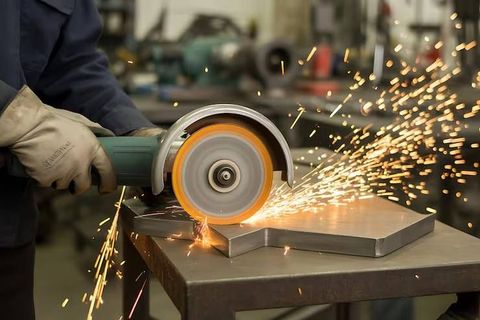
Metal shearing machines are industrial fabrication machines designed to cut sheet metal, plates, strips, and other flat metal materials into required sizes and shapes. They are commonly used in metal fabrication, construction equipment production, automotive manufacturing, appliance production, structural work, and general engineering operations.
The basic principle is straightforward. A metal sheet is positioned between cutting edges, and mechanical, hydraulic, or other controlled force separates the material along a defined line. Depending on machine design, the cutting action may use straight blades, rotary cutters, or specialized shearing mechanisms.
Metal shearing machines developed from relatively simple mechanical cutting equipment into computer-controlled systems that can handle repeatable production requirements. Modern equipment can integrate adjustable blade gaps, programmable back gauges, numerical controls, automatic material positioning, and safety monitoring.
Industrial fabrication equipment includes many machine categories, such as press brakes, laser cutting systems, punching machines, bending machines, welding equipment, rolling machines, and metal shears. Shearing machines occupy an important position because cutting is frequently one of the initial stages in preparing metal for additional fabrication processes.
The selection of a shearing system depends on material thickness, material type, sheet dimensions, production volume, required cutting accuracy, available workspace, and the next manufacturing process. Understanding these factors helps explain why different machine configurations exist.
Main Types of Metal Shearing Machines
Metal shearing machines can be grouped according to their cutting mechanism and operating method.
- Mechanical shears use mechanical force to move the cutting blade and are commonly associated with high-speed repetitive cutting.
- Hydraulic shears use hydraulic systems to generate controlled cutting force and can handle substantial material thicknesses.
- Pneumatic shearing systems use compressed air and are generally associated with lighter cutting applications.
- Guillotine shears use a blade that moves through the material along a defined cutting path.
- Rotary shears use rotating cutting elements and can be suitable for continuous or specialized material processing.
- CNC shearing machines use programmable controls to manage dimensions, positioning, and repeated cutting sequences.
Each configuration has different operating characteristics. Machine selection therefore involves matching the cutting mechanism with material requirements rather than relying on one machine type for every application.
Importance
Metal shearing machines matter because accurate cutting influences nearly every fabrication stage that follows. If a sheet is cut incorrectly, later bending, forming, welding, drilling, or assembly operations may also be affected.
For manufacturers, dimensional consistency can reduce unnecessary material handling and improve workflow coordination. For engineering teams, predictable cutting behavior helps simplify the preparation of components used in larger assemblies.
Industries Using Metal Shearing Equipment
Metal shearing equipment appears across many industries because sheet and plate materials are widely used in manufactured products.
Common applications include:
- Construction and structural fabrication
- Automotive component manufacturing
- Agricultural equipment production
- Electrical enclosure production
- Heating and ventilation equipment
- Appliance manufacturing
- Industrial machinery fabrication
- Metal furniture production
- Ship and transportation equipment
- General engineering workshops
The machines are also relevant to smaller fabrication environments where different sheet dimensions need to be processed during routine production.
Factors Affecting Cutting Quality
Cutting quality depends on several technical factors. Material hardness, thickness, blade condition, blade clearance, cutting angle, machine rigidity, and material positioning can all influence the resulting edge.
Operators also need to consider distortion. Thin sheets can experience movement or deformation during cutting, while thicker plates require sufficient machine capacity and carefully controlled cutting parameters.
A properly configured system can help produce consistent edges, but the actual result depends on the machine, material, operating conditions, and maintenance practices.
Comparison of Common Shearing Systems
| Machine Type | Typical Material Range | Main Control Method | Common Application |
|---|---|---|---|
| Mechanical Shear | Light to medium sheet | Mechanical drive | Repetitive fabrication |
| Hydraulic Shear | Medium to heavy sheet | Hydraulic system | Plate and industrial fabrication |
| Pneumatic Shear | Light sheet | Compressed air | Light-duty cutting |
| Guillotine Shear | Sheet and plate | Linear blade movement | Straight cuts |
| Rotary Shear | Thin sheet or strips | Rotating blades | Continuous processing |
| CNC Shear | Various sheet ranges | Computer control | Programmable production |
The table provides a general comparison rather than fixed machine specifications. Actual capacity varies according to individual machine design and material characteristics.
Recent Updates
Modern metal shearing machines increasingly combine mechanical cutting with digital control systems. CNC interfaces allow operators to enter cutting dimensions and sequences, while electronic back gauges can position material more consistently.
Automation is another significant trend. Some industrial fabrication equipment can integrate material positioning, feeding, measurement, and production monitoring. These systems can reduce repetitive manual adjustments and help coordinate multiple fabrication stages.
Digital Control and Automation
Digital controls have changed how operators interact with shearing equipment. Instead of manually setting every cutting position, programmable systems can store dimensions and repeat defined sequences.
Common digital features include:
- Programmable back gauges
- Touchscreen control panels
- Automatic positioning
- Production counters
- Diagnostic information
- Programmable cutting sequences
- Integrated safety monitoring
Connected manufacturing systems can also collect machine information for production planning and equipment monitoring. This supports the broader movement toward smart manufacturing and digitally managed production environments.
Energy and Equipment Development
Manufacturers of industrial fabrication equipment are also focusing on efficient hydraulic systems, improved electric drives, reduced idle operation, and more precise control mechanisms. These developments are intended to improve machine operation while managing energy consumption.
Blade materials and geometries have also developed over time. Different blade configurations can be selected according to material type and thickness, while improved adjustment mechanisms can help maintain suitable cutting conditions.
Automation does not eliminate the need for trained operators. Human oversight remains important for material identification, machine setup, inspection, troubleshooting, and safe operation.
Laws or Policies
Metal shearing machines are affected by workplace safety requirements, machinery regulations, electrical rules, environmental requirements, and occupational protection standards. The exact legal framework depends on the country and jurisdiction where the equipment is installed and operated.
Machine Safety Requirements
General machinery safety frameworks commonly address hazards such as moving blades, crushing points, unexpected machine movement, electrical risks, and material handling.
Typical safety provisions can include:
- Physical guards around hazardous areas
- Emergency stopping systems
- Clearly identified controls
- Safe operating procedures
- Operator training
- Routine equipment inspections
- Lockout and isolation procedures
- Appropriate personal protective equipment
The specific requirements should be checked against the rules applicable to the workplace. International manufacturers may also design equipment according to recognized machinery and electrical safety standards used in different markets.
Environmental and Workplace Considerations
Some fabrication operations generate metal fragments, noise, lubricants, hydraulic fluids, or other industrial waste. Workplace rules may therefore address waste handling, noise exposure, ventilation, and environmental protection.
Government programs in some jurisdictions also encourage energy efficiency, industrial modernization, workplace safety improvements, or digital manufacturing. Eligibility and requirements vary considerably, so such programs should be evaluated according to the applicable local authority.
Tools and Resources
Several tools can support the planning and operation of metal shearing processes. Material thickness charts can help users understand the relationship between sheet characteristics and machine capacity.
Blade clearance references are useful when configuring cutting equipment. Manufacturers and engineering organizations may provide technical manuals, machine specifications, maintenance schedules, and operating documentation.
Useful Digital Resources
Commonly used resources include:
- Sheet-metal thickness conversion calculators
- Unit conversion tools
- Engineering calculators
- CAD and CAM software
- CNC programming references
- Preventive maintenance templates
- Production planning spreadsheets
- Machine inspection checklists
- Material specification databases
- Workplace safety documentation
CAD and CAM platforms can also support fabrication planning by preparing component dimensions and production instructions before material reaches the machine.
Maintenance and Inspection Tools
Routine inspection is an important part of equipment management. Operators can use checklists to review blade condition, hydraulic components, electrical controls, guards, lubrication points, and positioning systems.
A maintenance record can document inspection dates, observed conditions, adjustments, component replacement, and machine downtime. Consistent records make it easier to identify recurring operating issues.
FAQs
What are metal shearing machines used for?
Metal shearing machines are used to cut sheet metal, strips, and plates into defined dimensions. They are widely used in fabrication, construction equipment production, automotive manufacturing, appliances, and general engineering.
How do hydraulic metal shearing machines work?
Hydraulic metal shearing machines use hydraulic pressure to move the cutting mechanism. The system applies controlled force to separate the material along a defined cutting line.
What factors affect metal shearing machine selection?
Important factors include material type, thickness, sheet dimensions, cutting length, production requirements, desired accuracy, available space, control technology, and compatibility with other industrial fabrication equipment.
Are CNC metal shearing machines different from conventional machines?
CNC metal shearing machines use computer-based controls to manage cutting dimensions and positioning. Conventional machines may require more manual setup and adjustment, depending on their configuration.
What safety measures are important when operating metal shearing machines?
Important measures include guarding hazardous areas, using emergency stopping systems, following operating procedures, keeping hands away from cutting zones, inspecting equipment, using appropriate protective equipment, and following applicable workplace regulations.
Conclusion
Metal shearing machines provide a fundamental cutting capability for sheet-metal and plate fabrication across many industrial applications. Their development now includes hydraulic systems, CNC controls, automation, digital monitoring, and improved positioning technologies. Machine selection depends on material characteristics, dimensions, production requirements, accuracy needs, and workplace conditions. Safety procedures, maintenance practices, and applicable machinery regulations remain important parts of responsible equipment operation.