Plastic Recycling Machine Trends: Equipment & Processing Guide
Plastic recycling machines are industrial systems designed to process discarded plastic into usable flakes, reprocessed material, pellets, or other secondary feedstocks. They help separate, clean, reduce, melt, and reshape plastic materials so they can re-enter manufacturing processes.
Plastic waste comes from many sources, including packaging, household products, industrial materials, containers, films, pipes, and consumer goods. Because different plastics have different chemical and physical properties, recycling usually requires several processing stages rather than a single machine.
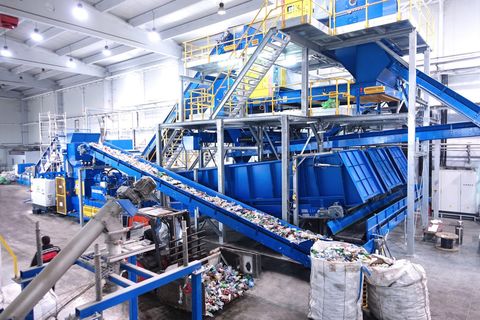
A typical mechanical recycling process may include sorting, shredding, washing, drying, extrusion, filtration, and pelletizing. PET, HDPE, LDPE, and PP are among the polymers commonly handled through mechanical recycling systems. Research published in 2025 identified sorting, contamination, polymer compatibility, and material degradation as important technical challenges in recycling.
A basic plastic recycling line can therefore be viewed as a sequence:
| Processing Stage | Common Equipment | Main Purpose |
|---|---|---|
| Sorting | Sensor or manual sorting equipment | Separate plastic types |
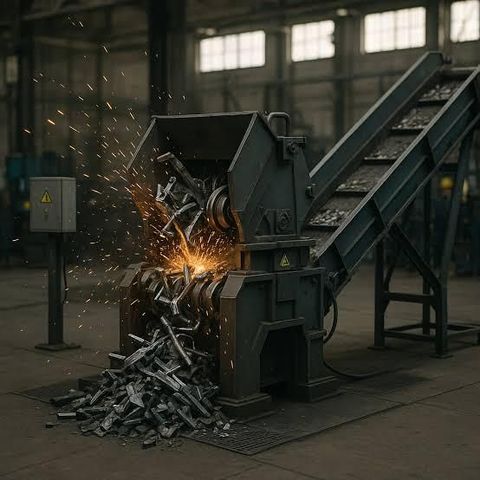
| Size reduction | Shredder or granulator | Reduce particle size |
| Washing | Friction or hot washing systems | Remove dirt and residues |
| Drying | Mechanical or thermal dryer | Reduce moisture |
| Extrusion | Plastic extruder | Melt and homogenize material |
| Filtration | Melt filtration unit | Remove remaining impurities |
| Pelletizing | Pelletizer | Produce uniform recycled pellets |
The exact configuration depends on the plastic type, contamination level, desired output, and required material quality.
Why Plastic Recycling Equipment Matters Today
Plastic recycling is increasingly connected with resource efficiency, circular economy planning, packaging policy, and industrial sustainability. Modern recycling equipment can help transform waste streams into secondary raw materials while reducing the amount of plastic sent to disposal routes.
The topic affects municipalities, recycling facilities, manufacturers, packaging companies, environmental authorities, and consumers. Each group interacts with different parts of the plastic waste chain.
One important challenge is contamination. Food residue, labels, adhesives, metals, paper, different polymers, and moisture can reduce the quality of recycled material. Better sorting and washing can therefore have a direct influence on downstream processing.
Another issue is polymer degradation. Repeated heating and mechanical processing can affect some plastics, meaning that process temperature, residence time, filtration, and material blending need careful control.
Modern plastic recycling machine design increasingly focuses on:
- Better material identification
- Higher sorting accuracy
- Automated contaminant removal
- Improved washing systems
- Moisture control
- Energy monitoring
- Melt filtration
- Process automation
- Digital quality monitoring
- Consistent pellet production
These developments are particularly relevant as manufacturers and regulators place greater attention on recycled content and traceable waste management.
Recent Plastic Recycling Machine Trends in 2025–2026
Technology development during the past year has focused on improving material quality, automation, sorting, and process monitoring.
AI-Assisted Plastic Sorting
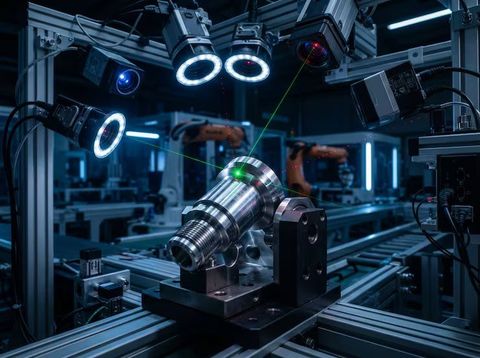
Artificial intelligence and machine vision are becoming more relevant to waste sorting. Sensor-based systems can identify differences in polymer type, colour, shape, and contamination. Recent research describes AI-assisted sorting as an emerging technology for handling more complex waste streams.
AI does not eliminate the need for conventional sorting equipment. Instead, it can work alongside optical sensors, cameras, conveyors, and automated separation systems.
Advanced Washing Technology
Washing systems are also evolving. Modern lines may combine pre-washing, friction washing, hot washing, rinsing, and drying depending on the feedstock.
The objective is not simply to wash plastic but to achieve a suitable level of cleanliness while managing water, heat, and energy use. Technology discussions in 2026 have highlighted intelligent sorting, improved cleaning, drying, and modular washing-line configurations.
Improved Extrusion and Pelletizing
Extrusion remains an important part of mechanical plastic recycling. After cleaning and drying, plastic flakes can be melted and passed through filtration before pelletizing.
Recent development is increasingly focused on stable melt processing, better filtration, automatic control, and consistent pellet dimensions. These factors matter when recycled material must meet defined quality specifications.
Chemical and Advanced Recycling
Mechanical recycling is not suitable for every waste stream. Mixed, contaminated, or difficult-to-separate plastics can create additional processing challenges.
Research published in 2025 reviewed chemical approaches such as pyrolysis and depolymerization alongside mechanical recycling and emerging biological methods. These technologies are still subject to technical, environmental, scalability, and process-design considerations.
This means the future of plastic recycling is likely to involve multiple technologies rather than one universal processing method.
Digital Monitoring and Data
Digital systems are increasingly used to monitor production parameters such as temperature, throughput, moisture, energy consumption, pressure, and equipment status.
Data can help operators identify process variation and maintenance requirements. In advanced facilities, digital monitoring can also support documentation and regulatory reporting.
Laws and Policies Affecting Plastic Recycling in India
India's plastic recycling sector operates under the Plastic Waste Management Rules and Extended Producer Responsibility requirements for plastic packaging.
The Ministry of Environment, Forest and Climate Change lists amendments to the Plastic Waste Management Rules, including the 2024 amendment. The 2024 rules introduced changes covering definitions, reporting, and responsibilities within plastic waste management.
India also notified Plastic Waste Management Amendment Rules, 2025 on 23 January 2025. The Ministry's annual report states that online systems are being used for monitoring, including the EPR portal for plastic packaging.
Extended Producer Responsibility places obligations on relevant producers, importers, and brand owners concerning plastic packaging. Government information has also identified recycling and recycled-content targets that increase across specified packaging categories over time.
By January 2026, the Ministry reported 57,746 registered producers, importers and brand owners and 2,969 registered plastic waste processors on the relevant system. It also reported substantial quantities of EPR certificates generated and transferred through the online framework.
These developments make documentation, material traceability, recycling records, and appropriate processing practices increasingly important for organizations participating in India's regulated plastic packaging ecosystem.
Tools and Resources for Plastic Recycling
Several general tools can help users understand and manage plastic recycling processes.
Polymer Identification Resources
Plastic identification charts can help distinguish common polymers such as PET, HDPE, PVC, LDPE, PP, and PS. Identification is important because different materials require different processing conditions.
Recycling Process Calculators
Spreadsheet-based calculators can estimate:
- Material throughput
- Moisture reduction
- Recovery rates
- Energy consumption
- Material losses
- Pellet output
- Processing capacity
Such calculations should be based on actual operating data rather than general assumptions.
Equipment Monitoring Tools
Digital monitoring systems can track temperature, pressure, motor load, throughput, moisture, and other operating parameters. Trend analysis can help identify process variation.
Regulatory Resources
Government environmental portals, EPR registration systems, waste-management rules, technical standards, and official reporting templates are useful resources for understanding regulatory requirements.
Technical Training Materials
Engineering manuals, polymer identification guides, recycling process diagrams, equipment manuals, and technical research papers can help users understand the differences between shredding, washing, extrusion, and pelletizing.
Plastic Recycling Machine Selection Factors
The right equipment configuration depends heavily on the input material and the required output.
| Factor | Why It Matters |
|---|---|
| Plastic type | Determines processing method |
| Feedstock contamination | Influences sorting and washing |
| Moisture | Affects extrusion and material quality |
| Particle size | Influences shredding and feeding |
| Required output | Determines filtration and pelletizing needs |
| Throughput | Helps determine equipment capacity |
| Automation level | Influences monitoring and process control |
| Material quality | Determines downstream applications |
There is no single plastic recycling machine that is appropriate for every material stream. A PET bottle line, agricultural film line, rigid HDPE line, and mixed-plastic processing system can require significantly different equipment configurations.
Frequently Asked Questions
What is a plastic recycling machine?
A plastic recycling machine is equipment used to process discarded plastic through stages such as sorting, size reduction, washing, drying, melting, filtration, and pelletizing.
Which plastics can be mechanically recycled?
Common mechanically recycled plastics include PET, HDPE, LDPE, and PP. Actual recyclability depends on contamination, additives, polymer compatibility, collection quality, and the intended application.
What does a plastic recycling line include?
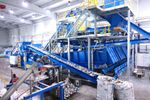
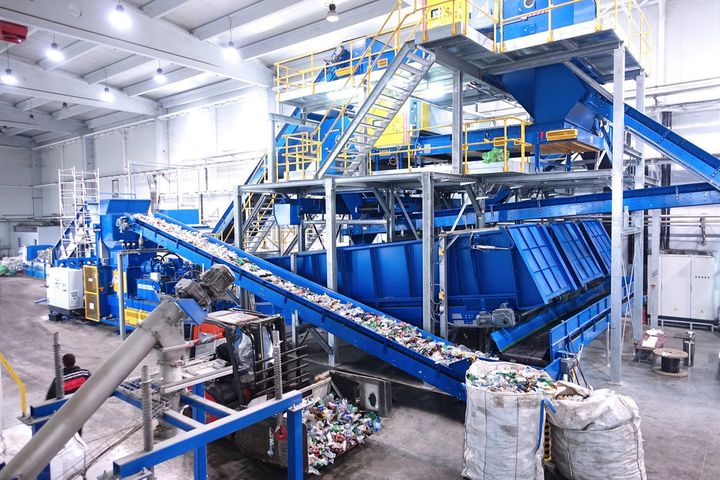
A recycling line may include conveyors, sorting equipment, shredders, granulators, washing systems, dryers, extruders, melt filters, and pelletizers. The exact combination depends on the feedstock.
How is AI used in plastic recycling?
AI can work with cameras and sensor-based sorting equipment to identify materials and contaminants. It can also support process monitoring and analysis. Research published in 2025–2026 describes AI and digitalization as emerging areas in advanced recycling systems.
What is the role of EPR in plastic recycling in India?
Extended Producer Responsibility creates obligations related to plastic packaging waste for specified entities. India's framework uses online registration, reporting, and EPR certificate systems to support monitoring and compliance.
Conclusion
Plastic recycling machines are becoming more connected, automated, and focused on material quality. Traditional mechanical recycling remains important, while AI-assisted sorting, advanced washing, improved extrusion, digital monitoring, and emerging chemical recycling technologies are expanding the available processing options.