Precision Grinding Machines Guide With Advanced Machining and Engineering Insights
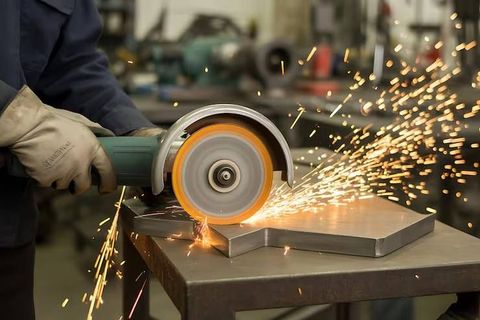
Precision grinding machines are specialized machine tools used to remove small amounts of material from a workpiece while producing accurate dimensions, smooth surfaces, and controlled geometric features. Unlike cutting processes that remove larger sections of material, grinding uses an abrasive wheel or related abrasive tool to gradually shape a component.
The origins of grinding technology can be traced to basic abrasive stones and manual finishing methods. As manufacturing developed, abrasive wheels, mechanical drives, precision tables, and controlled spindle systems allowed grinding to become an important part of industrial machining. Modern systems can combine mechanical accuracy, computerized controls, measurement equipment, and automated material handling.
Precision grinding machines are used across industries that manufacture components from metals, ceramics, composites, and other engineered materials. Common applications include shafts, bearings, gears, molds, dies, cutting tools, hydraulic components, aerospace parts, automotive components, and precision mechanical assemblies.
How precision grinding works
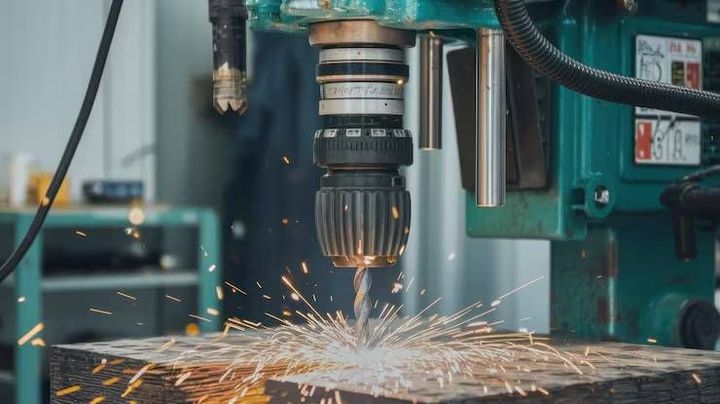
A grinding wheel contains numerous abrasive particles held together by a bonding material. As the wheel rotates, individual abrasive grains contact the workpiece and remove very small quantities of material.
The process can be controlled through several variables:
- Wheel speed affects cutting behavior and heat generation.
- Feed rate influences material removal and surface characteristics.
- Grinding depth determines how much material is removed during each pass.
- Wheel specification affects cutting performance and compatibility with the workpiece.
- Coolant or other process fluids can help manage heat and remove grinding debris.
The combination of these factors determines dimensional accuracy, surface roughness, productivity, and wheel behavior.
Main types of grinding machines
Different machine configurations address different component shapes and machining requirements.
| Machine Type | Typical Application | Main Characteristic |
|---|---|---|
| Surface Grinding Machine | Flat surfaces | Controlled planar finishing |
| Cylindrical Grinding Machine | Shafts and round components | External cylindrical grinding |
| Centerless Grinding Machine | Continuous cylindrical parts | Workpiece supported without traditional centers |
| Internal Grinding Machine | Holes and internal surfaces | Precision internal finishing |
| Tool and Cutter Grinder | Cutting tools | Sharpening and profile control |
| CNC Grinding Machine | Complex precision components | Programmable machining |
| Gear Grinding Machine | Gear teeth | Controlled tooth geometry |
| Jig Grinding Machine | Precision holes and profiles | High geometric accuracy |
Machine selection depends on workpiece geometry, material, tolerance requirements, production volume, and the desired surface condition.
Importance
Precision grinding machines matter because many engineered components must fit together within narrow dimensional limits. A shaft that is slightly oversized, a bearing surface that is uneven, or a hole with an incorrect diameter can affect the operation of an entire assembly.
Grinding is particularly relevant after processes such as turning, milling, forging, casting, heat treatment, or machining. These processes can leave dimensional variation, hardened surfaces, tool marks, or other characteristics that require controlled finishing.
Accuracy and surface quality
One important role of precision grinding is the production of controlled surface geometry. Grinding can reduce surface irregularities and help create consistent dimensions across multiple components.
Surface roughness is commonly measured using parameters such as Ra, while dimensional accuracy may be assessed with micrometers, gauges, coordinate measuring machines, optical systems, or other inspection equipment.
The appropriate measurement method depends on the component and the required specification. Measurement should be performed under controlled conditions because temperature, vibration, machine condition, and measurement technique can influence results.
Industrial applications
Precision grinding machines are found in many manufacturing environments. Examples include:
- Automotive components such as transmission and engine parts
- Bearings and rotating mechanical components
- Cutting tools and tooling systems
- Dies and molds used for forming processes
- Hydraulic and pneumatic components
- Aerospace and precision engineering components
- Medical equipment components
- Electrical and electronic mechanical parts
The technology is also relevant to small precision components where dimensional consistency is important.
Common technical challenges
Grinding requires careful control because excessive heat, vibration, wheel imbalance, incorrect dressing, or unsuitable process parameters can affect the finished component.
Thermal damage is one concern. If heat is not controlled properly, the material surface can experience undesirable changes. Wheel loading, glazing, chatter, dimensional drift, and uneven wear can also influence machining results.
These challenges make process monitoring and appropriate machine setup important parts of precision grinding.
Recent Updates
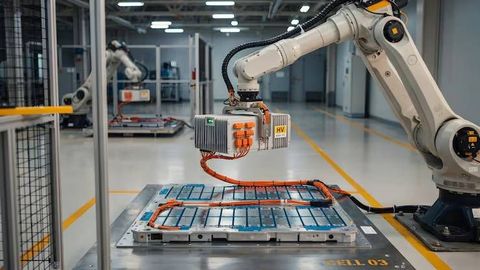
Precision grinding technology has increasingly moved toward digitally controlled and automated production environments. Modern CNC grinding machines can coordinate multiple axes and execute programmed grinding cycles with limited manual intervention.
Automation is also becoming more connected with inspection equipment. A production system may combine grinding, in-process measurement, automatic compensation, and data collection. This approach helps manufacturers identify dimensional variation during production rather than relying only on final inspection.
CNC and automation developments
Computer numerical control allows grinding paths and process parameters to be programmed for repeatable machining. Multi-axis systems can handle complex profiles that would be difficult to produce using manually controlled equipment.
Current development areas include:
- Multi-axis CNC grinding
- Automatic wheel dressing
- In-process measurement
- Robotic loading and unloading
- Digital machine monitoring
- Tool and wheel condition monitoring
- Production data collection
- Automated dimensional compensation
Connected manufacturing systems can collect information about spindle load, vibration, cycle time, temperature, and dimensional measurements. This data can support process analysis and equipment maintenance planning.
Advanced abrasive technology
Grinding wheels continue to evolve through changes in abrasive materials, bonding systems, grain structures, and wheel geometry. Conventional abrasives remain widely used, while superabrasive technologies such as cubic boron nitride and diamond are applied where their properties match the material and machining requirement.
The selection of an abrasive depends on factors such as workpiece hardness, material composition, required finish, grinding speed, and thermal behavior. There is no single wheel specification suitable for every application.
Sustainability and energy awareness
Manufacturing organizations are also paying greater attention to energy use, coolant management, abrasive consumption, and material waste. Efficient grinding processes can reduce unnecessary material removal and improve resource utilization.
Modern systems may incorporate monitoring functions that help identify excessive energy use, abnormal machine behavior, or inefficient process conditions. These developments connect precision grinding with wider smart manufacturing and resource-management initiatives.
Laws or Policies
Precision grinding machines are subject to workplace safety, machinery, electrical, environmental, and occupational requirements. The exact rules depend on the country, industry, machine configuration, and workplace environment.
Safety frameworks commonly address hazards such as rotating grinding wheels, flying particles, noise, electrical systems, coolant exposure, and unexpected machine movement.
Machine safety requirements
Manufacturing facilities generally need appropriate safeguards around rotating machinery. Depending on the applicable rules, requirements can involve:
- Machine guarding
- Emergency stopping systems
- Electrical protection
- Operator training
- Personal protective equipment
- Risk assessment
- Maintenance procedures
- Safe handling of abrasive wheels
Abrasive wheels can present particular risks because they rotate at high speeds. Wheel inspection, correct mounting, appropriate guarding, and compliance with manufacturer specifications are therefore important safety considerations.
Environmental considerations
Grinding can generate metal particles, abrasive debris, used process fluids, and airborne contaminants. Environmental rules may regulate how these materials are collected, treated, stored, and disposed of.
Noise and ventilation requirements can also apply depending on the workplace and equipment configuration. Facilities should follow the laws and technical standards applicable to their jurisdiction rather than assuming that one set of requirements applies globally.
Tools and Resources
Several tools help engineers, operators, students, and maintenance teams understand and manage precision grinding processes.
Measurement equipment
Common measurement tools include micrometers, dial indicators, surface roughness testers, optical measurement systems, gauges, and coordinate measuring machines. These instruments help verify dimensions and surface characteristics.
Grinding calculators
Grinding calculators can assist with calculations involving wheel speed, surface speed, feed rates, material removal, and related process variables. Results should be checked against machine specifications and established process parameters.
CAD and CAM platforms
Computer-aided design and manufacturing platforms can be used to create component geometry and generate machining information. CNC grinding systems may receive programmed instructions derived from these digital models.
Technical documentation
Useful resources include machine manuals, abrasive-wheel specifications, engineering handbooks, safety standards, maintenance schedules, tooling catalogs, and technical training materials. These resources help users understand machine capabilities, operating limits, inspection requirements, and process terminology.
FAQs
What are precision grinding machines used for?
Precision grinding machines are used to produce accurate dimensions, controlled geometries, and refined surface finishes. They are commonly used for shafts, bearings, gears, tools, molds, dies, and other engineered components.
How does a CNC grinding machine differ from a conventional grinding machine?
A CNC grinding machine uses computerized controls to manage programmed movements and machining cycles. A conventional machine generally relies more heavily on manual adjustment and operator control.
What is the difference between surface grinding and cylindrical grinding?
Surface grinding is mainly used to finish flat or planar surfaces. Cylindrical grinding is designed for round external surfaces, such as shafts and cylindrical components.
Why is wheel dressing important in precision grinding machines?
Wheel dressing removes worn or loaded abrasive material and can restore the desired wheel shape. Proper dressing can help maintain predictable cutting behavior and dimensional consistency.
What materials can precision grinding machines process?
Precision grinding can be applied to many metals and engineered materials, including hardened steels, tool materials, ceramics, and selected composites. The abrasive type and process parameters must be matched to the workpiece material.
Conclusion
Precision grinding machines provide controlled material removal for components that require accurate dimensions and refined surface characteristics. Modern systems increasingly combine CNC control, automation, measurement, monitoring, and advanced abrasive technology. Safety requirements, environmental considerations, machine specifications, and measurement practices remain important parts of grinding operations. Understanding machine types, process variables, applications, and current technology provides a useful foundation for understanding precision machining.