Spa Massage Guide: Popular Techniques, Body Treatments, Benefits and Preparation Tips
A Spa Massage Guide explains popular massage techniques, body treatments, potential benefits, and preparation steps for people interested in relaxation and personal wellness. Massage has a long history across several cultures, including traditional practices in India, China, Egypt, and Greece. Different traditions developed methods involving hand movements, pressure, stretching, oils, and other techniques to support relaxation and physical comfort.
Context
A Spa Massage Guide explains popular massage techniques, body treatments, potential benefits, and preparation steps for people interested in relaxation and personal wellness. Massage has a long history across several cultures, including traditional practices in India, China, Egypt, and Greece. Different traditions developed methods involving hand movements, pressure, stretching, oils, and other techniques to support relaxation and physical comfort.
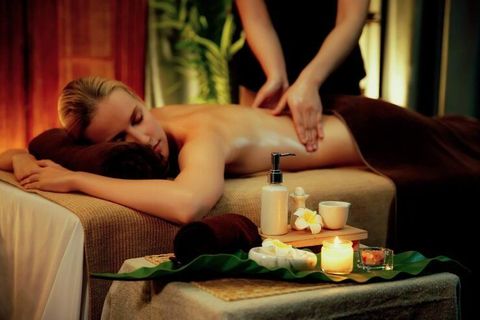
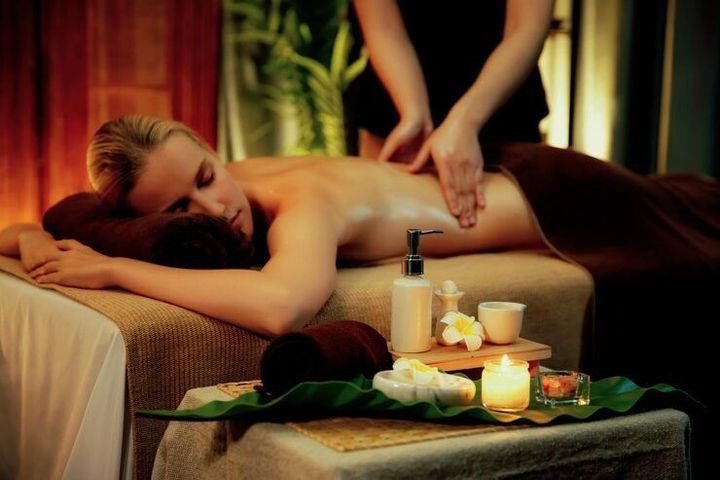
Modern spa massage combines traditional approaches with contemporary wellness practices. Depending on the setting, a session may involve massage of the back, shoulders, legs, feet, or other areas, sometimes alongside body scrubs, wraps, aromatherapy, or warm-stone treatments. The techniques, duration, products, and level of pressure vary according to the practitioner and the individual's preferences.
Understanding Spa Massage Techniques
Spa massage generally involves manipulating soft tissues through movements such as gliding, kneading, pressing, or gentle stretching. Some techniques focus on relaxation, while others use more targeted pressure to address muscular tension. The suitability of a particular approach depends on personal comfort, health considerations, and the practitioner's training.
Common techniques include:
Swedish massage: Uses flowing strokes, kneading, and gentle to moderate pressure to encourage relaxation.
Deep tissue massage: Applies slower, more focused pressure to deeper layers of muscle and connective tissue. It may feel intense and is not suitable for everyone.
Aromatherapy massage: Combines massage movements with essential oils diluted in a suitable carrier oil.
Hot stone massage: Uses heated stones as part of a massage routine. Temperature control is important to prevent burns.
Thai massage: Traditionally combines assisted stretching, rhythmic pressure, and body positioning, often without massage oil.
Foot massage: Focuses on the feet and may include pressure and movements intended to relieve local tension.
These techniques differ in pressure, movement, equipment, and purpose. A massage described as deep tissue, for example, does not necessarily provide a more suitable experience than a gentler approach.
Importance
Spa massage is relevant to people seeking relaxation, a break from daily routines, or temporary relief from ordinary muscular tension. Long periods of sitting, repetitive movements, physical activity, and everyday stress can contribute to discomfort in areas such as the neck, shoulders, and back. Massage may help some people feel more relaxed and comfortable, although individual responses vary.
Understanding massage techniques also helps people communicate their preferences and recognize situations in which extra caution is needed. Strong pressure, excessive heat, certain oils, or unsuitable body treatments may cause discomfort or harm, particularly for people with specific medical conditions or sensitive skin.
Potential Benefits and Limitations
Research suggests that some forms of massage may provide short-term relief from certain types of pain or muscle tension and may help reduce perceived stress. However, the strength of the evidence differs by condition, technique, and study design. Massage should not be considered a replacement for appropriate medical assessment or treatment.
Potential effects may include:
Relaxation: Gentle, rhythmic movements may help some people feel calmer.
Temporary muscle comfort: Massage may reduce perceived tension following routine activity.
Short-term pain relief: Some people experience temporary relief from certain musculoskeletal complaints.
Improved sense of well-being: A quiet environment and dedicated rest period may support subjective relaxation.
Body awareness: Massage may help individuals notice areas of tension and communicate their comfort preferences.
Massage does not reliably treat every cause of pain, correct all posture problems, remove toxins, or produce permanent changes in body shape. Claims about these effects should be viewed cautiously.
Comparing Popular Massage and Body Treatments
Different spa treatments serve different purposes. The following table summarizes common approaches.
| Treatment | Main approach | Important consideration |
|---|---|---|
| Swedish massage | Flowing strokes and kneading | Pressure should remain comfortable |
| Deep tissue massage | Focused, slower pressure | Excessive pressure may cause soreness or injury |
| Aromatherapy massage | Massage with diluted essential oils | Skin sensitivity and allergies matter |
| Hot stone massage | Massage involving heated stones | Excessive heat can cause burns |
| Body scrub | Application of exfoliating products | Avoid irritated or damaged skin |
| Body wrap | Application of products followed by wrapping | Heat, ingredients, and skin sensitivity require consideration |
| Foot massage | Pressure and movement focused on the feet | Extra care may be needed with circulation or nerve problems |
A body scrub or wrap is not the same as a massage. Some spa sessions combine several treatments, so it is useful to understand which techniques and products will be involved.
Recent Updates
From 2024 through 2026, spa and massage practices have continued to reflect wider interest in wellness, personalized relaxation, and clearer communication about treatment expectations. Many wellness settings describe their treatments in terms of intended experience, pressure level, ingredients, duration, and suitability. Practices vary between countries and individual establishments, and these trends do not establish that a treatment is medically effective.
Personalized Wellness and Treatment Choices
Some spas use intake questionnaires to understand a guest's preferences, pressure tolerance, allergies, and areas of discomfort. This information can help practitioners adapt positioning, pressure, and product selection. Clear communication remains important throughout the session, particularly when a technique causes pain, numbness, burning, or other unexpected sensations.
Digital booking systems and online treatment menus also make it easier to review session descriptions before arrival. However, a short description may not explain every contraindication or ingredient. Questions about safety and suitability should be addressed directly with the practitioner before treatment begins.
Hygiene and Ingredient Awareness
Attention to hygiene remains important in massage environments. Clean linens, properly maintained equipment, hand hygiene, and appropriate cleaning procedures help reduce avoidable risks. Essential oils and other topical products may irritate the skin or trigger allergic reactions, even when they are marketed as natural.
Wellness information increasingly distinguishes relaxation practices from medical treatment. Massage may have a role in general well-being, but claims involving disease prevention, detoxification, or the treatment of serious conditions require reliable scientific evidence.
Laws or Policies
Massage and spa establishments are subject to rules that vary by country, state, city, and type of activity. Relevant requirements may cover business registration, premises, public health, consumer protection, practitioner qualifications, workplace safety, and advertising claims. In India, local requirements can differ between states and municipalities.
Regulations Relevant to Spa Massage in India
Spa and massage establishments may need to comply with applicable municipal permissions, state-specific rules, building and fire safety requirements, and other regulations relevant to their operations. Requirements depend on the location and the nature of the establishment. There is no single nationwide qualification or licensing arrangement that should be assumed to apply identically to every massage technique and practitioner.
Consumer protection rules may apply when treatment descriptions are misleading, important conditions are concealed, or promised arrangements are not provided. India's Consumer Protection Act, 2019, establishes a framework addressing consumer rights and unfair trade practices, subject to the circumstances of a particular case.
Hygiene, Consent, and Personal Safety
A massage should take place with informed consent and clear communication about the areas being treated, pressure, positioning, and products used. Individuals should be able to request adjustments or stop a session if they experience pain or feel uncomfortable. Appropriate draping and respect for personal boundaries are important considerations.
People with certain health conditions may need advice from a qualified healthcare professional before receiving massage. These include suspected blood clots, recent surgery, significant injuries, bleeding disorders, severe osteoporosis, or conditions affecting sensation or circulation. Pregnancy may also require modified techniques and positioning, depending on the stage of pregnancy and individual circumstances.
Tools and Resources
Reliable educational resources can help people understand massage methods, identify safety considerations, and prepare for a session. General wellness articles can provide background information, but medical concerns require more specific guidance.
Health Information and Research Resources
The National Center for Complementary and Integrative Health (NCCIH) provides evidence-based information about massage therapy, including potential effects, limitations, and safety considerations. The National Health Service (NHS) also publishes general health information that can help readers understand common symptoms and when professional assessment may be appropriate.
These resources can help distinguish established findings from claims that lack adequate evidence. Their general guidance does not replace advice tailored to an individual's health circumstances.
Preparation and Personal Comfort Tools
A simple preparation checklist can help organize a spa massage appointment. It may include the planned treatment, session duration, allergies, skin sensitivities, pressure preferences, relevant health conditions, and questions about oils or heated equipment.
A personal wellness journal can record how a person feels before and after a session, including any soreness or skin reactions. Such notes may help identify individual preferences, but they cannot establish that massage caused a particular medical improvement.
Practical Preparation Tips
Before a spa massage, individuals may consider the following steps:
Communicate health information: Mention relevant injuries, allergies, pregnancy, recent procedures, and medical conditions.
Explain pressure preferences: Describe whether gentle, moderate, or focused pressure is comfortable.
Check treatment ingredients: Ask about essential oils, lotions, scrubs, and other products when sensitivities are a concern.
Allow time to settle: Arriving early can provide time to discuss the treatment and complete any required forms.
Stay hydrated normally: Drink water according to personal needs, without assuming that excessive intake is necessary.
Speak up during the session: Report pain, excessive heat, numbness, dizziness, or any unexpected discomfort.
Preparation helps clarify expectations and allows potential safety concerns to be addressed before treatment begins.
FAQs
What are the popular spa massage techniques?
Common techniques include Swedish massage, deep tissue massage, aromatherapy massage, hot stone massage, Thai massage, and foot massage. They differ in pressure, movement, equipment, and intended experience.
What are the potential benefits of a spa massage?
Spa massage may support relaxation and provide temporary relief from some types of muscular tension or pain. Results vary, and massage is not a substitute for medical diagnosis or treatment.
How should someone prepare for a spa massage?
Preparation may include sharing relevant health information, explaining pressure preferences, checking treatment ingredients, and asking about positioning or heated equipment. Comfortable communication throughout the session is important.
Is deep tissue massage suitable for everyone?
No. Deep tissue massage uses more focused pressure and may not be appropriate for people with certain injuries, bleeding risks, or other medical conditions. A qualified practitioner or healthcare professional can help clarify suitability.
What is the difference between a spa massage and a body treatment?
A spa massage focuses on manipulating soft tissues through movements such as kneading and pressing. Body treatments, such as scrubs and wraps, generally focus on applying products to the skin and may be combined with massage.
Conclusion
Spa massage includes a range of techniques and body treatments that differ in pressure, ingredients, equipment, and intended experience. Some approaches may support relaxation or temporary relief from muscular discomfort, but their effects vary and should not be overstated. Hygiene, informed consent, clear communication, and awareness of individual health considerations are important parts of treatment safety. Understanding these factors helps explain how spa massage fits within general wellness practices.