Turnkey Industrial Automation Integrators Guide With Smart Manufacturing Insights
Turnkey industrial automation integrators are organizations that coordinate multiple automation technologies into a connected production system. Instead of treating each machine, controller, sensor, robot, and software platform as a separate project, an integrator can coordinate the engineering, equipment integration, programming, testing, and commissioning needed for a complete automation environment.
The concept developed alongside industrial control systems, programmable logic controllers, robotics, machine vision, and computerized production management. As factories became more automated, manufacturers increasingly needed systems that could communicate with one another rather than operate as isolated machines. This created demand for industrial automation integrators capable of connecting hardware, software, controls, and production processes.
Today, turnkey industrial automation integrators may work across assembly lines, material handling, packaging, automotive production, food processing, electronics, pharmaceuticals, energy equipment, and other manufacturing environments. Their role can range from designing an automated production cell to coordinating a complete smart manufacturing facility.
What Turnkey Automation Means
The word turnkey describes an approach in which multiple stages of an automation project are coordinated as one integrated program. A typical project can include:
- Process analysis and system planning
- Mechanical and electrical engineering
- Programmable logic controller programming
- Human-machine interface development
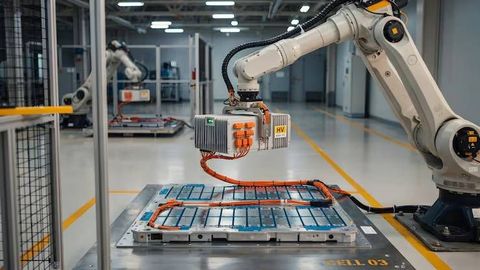
- Industrial robot integration
- Machine vision integration
- Sensor and actuator installation
- Industrial networking
- Safety-system integration
- Factory acceptance testing
- Installation and commissioning
- Operator training and technical documentation
The exact scope varies according to production requirements. Some projects involve one automated cell, while others connect numerous machines through a centralized manufacturing architecture.
From Factory Automation to Smart Manufacturing
Traditional factory automation mainly focused on controlling machines and reducing repetitive manual activities. Smart manufacturing expands this concept by connecting production equipment with data systems, analytics platforms, enterprise software, and industrial networks.
A modern industrial automation system can collect information about machine conditions, production quantities, energy consumption, process parameters, and equipment performance. This information can then support production monitoring, quality analysis, maintenance planning, and operational decision-making.
Importance
Turnkey industrial automation integrators matter because modern manufacturing environments involve many interconnected technologies. A production line may contain robots from one manufacturer, sensors from another, controllers from a third, and production software from several additional providers.
Without suitable integration, these technologies can create communication gaps and inconsistent data. An integrator helps establish the connections between different components so that the overall system can operate as a coordinated production environment.
Problems Addressed by Industrial Automation
Manufacturing organizations commonly face challenges involving inconsistent production processes, equipment communication, manual data collection, quality variation, machine downtime, and limited visibility into production conditions.
Industrial automation can address these challenges through coordinated control and monitoring. For example, sensors can detect process conditions while controllers interpret signals and send commands to machinery. Human-machine interfaces can then present relevant information to operators.
Automation also changes how workers interact with production systems. Instead of manually controlling every repetitive movement, personnel may supervise automated processes, investigate abnormal conditions, perform maintenance activities, or manage production parameters.
Smart Manufacturing Benefits
Smart manufacturing combines automation with data connectivity. Important areas include:
| Technology | Typical Function | Manufacturing Application |
|---|---|---|
| PLC systems | Machine control | Automated production sequences |
| Industrial robots | Repetitive movement | Assembly and material handling |
| Machine vision | Image-based inspection | Quality checking |
| Industrial sensors | Process measurement | Temperature, pressure, position |
| HMI systems | Operator interaction | Monitoring and control |
| Industrial networks | Equipment communication | Connected production cells |
| MES platforms | Production management | Tracking and production records |
| Data analytics | Pattern identification | Performance analysis |
| Digital twins | Virtual process modeling | Simulation and optimization |
The value of these technologies depends on how effectively they work together. A highly automated production cell can still create operational difficulties if its data structures, control logic, safety systems, or communication architecture are poorly coordinated.
Recent Updates
Industrial automation has continued moving toward connected, data-driven manufacturing. Developments from 2024 through 2026 have emphasized industrial artificial intelligence, edge computing, machine vision, collaborative robotics, digital twins, cybersecurity, and interoperability.
Artificial Intelligence in Manufacturing
Artificial intelligence is increasingly being incorporated into manufacturing analytics and inspection workflows. Instead of relying only on fixed rules, AI-based systems can analyze large quantities of production information and identify patterns that may require further investigation.
Machine vision is another area receiving attention. Camera-based inspection systems can examine components for dimensional, surface, assembly, or positioning characteristics. AI-assisted vision can complement conventional inspection methods where image interpretation is appropriate.
Edge Computing and Industrial Data
Edge computing places data-processing capabilities closer to machines and production equipment. This can reduce the need to transfer every operational signal to a distant computing environment before analysis.
For industrial automation integrators, edge architectures can help connect sensors, controllers, manufacturing applications, and analytics platforms while maintaining a structured flow of production information.
Digital Twins and Simulation
Digital twins create virtual representations of machines, production cells, or manufacturing processes. Engineers can use simulation environments to study process sequences, material movement, robot paths, and system interactions before physical implementation.
This approach can help identify design conflicts during planning. It is particularly relevant for complex automation projects involving multiple machines and production stages.
Cybersecurity and Connectivity
Greater connectivity also increases the importance of industrial cybersecurity. Connected controllers, remote interfaces, production networks, and cloud-linked systems can introduce additional security considerations.
Modern automation projects increasingly consider network segmentation, access controls, authentication, software maintenance, monitoring, and secure system architecture as part of the overall design.
Laws or Policies
Industrial automation is shaped by occupational safety requirements, machinery regulations, electrical standards, cybersecurity frameworks, environmental rules, and data-management requirements. The exact legal framework depends on the country, industry, machinery type, and intended application.
Machinery and Workplace Safety
Automated equipment must generally be designed and operated with attention to hazards involving moving machinery, electrical systems, pressure, heat, unexpected motion, and human-machine interaction.
Safety engineering can include emergency stopping systems, protective guarding, safety sensors, interlocks, controlled access, risk assessment, and appropriate operator procedures. Collaborative robotic applications may require additional consideration because people and robots can operate within nearby work areas.
Electrical and Control Requirements
Industrial control panels, electrical installations, wiring, grounding, protective devices, and control architectures can be subject to applicable technical standards and national requirements.
Turnkey industrial automation integrators typically need to consider these requirements during system design, installation, testing, and documentation rather than treating compliance as a separate final-stage activity.
Cybersecurity Policies
As manufacturing systems become connected, cybersecurity requirements increasingly influence automation architecture. Organizations may establish internal policies covering account permissions, network access, remote connectivity, software updates, backups, incident response, and system monitoring.
International cybersecurity frameworks can also provide structured approaches for identifying and managing risks in industrial control environments. Applicable requirements should be checked against the jurisdiction and industry involved.
Tools and Resources
Several categories of tools help engineers, operators, and manufacturing planners understand and manage automated production systems.
Engineering and Simulation Tools
PLC programming environments are used to develop control logic, while HMI development platforms create operator interfaces. Robotics software can be used for motion programming, simulation, and production-cell planning.
Computer-aided design tools support mechanical layouts, electrical design platforms assist with control-panel documentation, and simulation software can model production processes before physical implementation.
Manufacturing Data Platforms
Manufacturing execution systems can organize production information between factory equipment and higher-level business systems. Industrial historians can store time-series information from machines and process instruments.
Analytics platforms can transform collected data into dashboards, reports, and trend analysis. These resources are useful for understanding production patterns, equipment conditions, quality measurements, and energy-related information.
Planning Templates and Documentation
Automation projects commonly use resources such as:
- Functional requirement specifications
- Process flow diagrams
- Input/output lists
- Electrical schematics
- Network architecture diagrams
- Risk-assessment documents
- Factory acceptance test procedures
- Site acceptance test records
- Equipment manuals
- Operator training materials
- Maintenance documentation
Well-structured documentation helps different technical teams understand how an automated system was designed, configured, tested, and maintained.
FAQs
What are turnkey industrial automation integrators?
Turnkey industrial automation integrators coordinate multiple stages of an automation project, including engineering, controls, robotics, networking, testing, installation, commissioning, and documentation. The scope depends on the production environment.
How do industrial automation integrators support smart manufacturing?
Industrial automation integrators connect machines, sensors, controllers, software, networks, and data platforms. This creates a more coordinated production environment where operational information can be collected and analyzed.
What technologies are used in turnkey industrial automation?
Common technologies include PLCs, HMIs, industrial robots, machine vision, sensors, variable-speed drives, industrial networks, safety controllers, MES platforms, edge computers, and data analytics systems.
Why is industrial cybersecurity important in smart manufacturing?
Connected production systems can contain multiple communication points and access pathways. Cybersecurity practices help protect control systems, production data, network infrastructure, and authorized access.
What should an automation integration project include?
A project can include requirements analysis, system architecture, engineering, equipment integration, programming, safety planning, testing, commissioning, documentation, and operator training. The exact scope depends on the production process and system complexity.
Conclusion
Turnkey industrial automation integrators coordinate diverse technologies into structured manufacturing systems that can support automated production and connected operations. Smart manufacturing expands this approach by combining automation with industrial data, analytics, networking, artificial intelligence, and digital simulation. Safety, electrical requirements, cybersecurity, and technical documentation remain important considerations throughout the automation lifecycle. The resulting system architecture depends on production requirements, equipment characteristics, applicable standards, and the level of connectivity required.