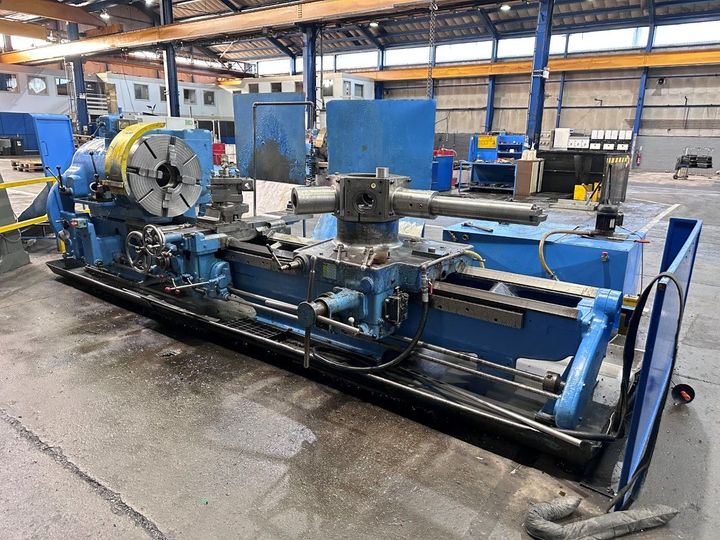
Turret Lathe Machines: New Technologies in Industrial Manufacturing
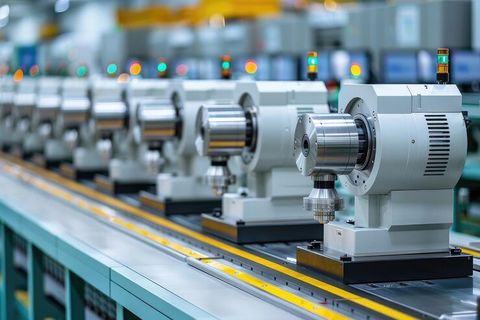
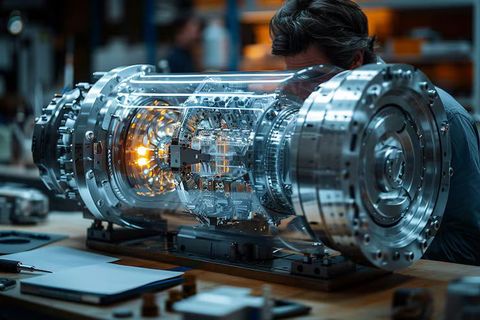
Turret lathe machines are machine tools designed to perform several machining operations on a workpiece with limited manual tool changes. Unlike a conventional lathe that normally uses a single tool position at a time, a turret lathe has a rotating turret that holds multiple cutting tools.
As the turret indexes, the required tool can be brought into position for operations such as turning, facing, drilling, boring, threading, grooving, and chamfering. This makes turret lathes particularly useful when a component requires a sequence of machining operations.
Traditional turret lathes were developed to improve repetitive production processes. Modern versions have evolved considerably through CNC machine technology, digital controls, automatic tool positioning, sensors, and production monitoring.
The basic operating principle remains straightforward. A workpiece is secured in the machine, the spindle rotates it, and cutting tools remove material according to the machining requirements. In CNC turret lathes, programmed instructions control movements, cutting parameters, tool changes, and other machining functions.
Modern turret lathe machines can therefore form an important part of automated manufacturing systems. They are used for components made from materials such as steel, stainless steel, aluminum, brass, and other engineering materials.
Importance: Why Turret Lathes Matter in Modern Manufacturing
Manufacturing increasingly requires repeatable dimensions, efficient production cycles, and consistent machining quality. Turret lathes address these requirements by combining multiple machining operations within one machine setup.
They are relevant to industries such as:
- Automotive component manufacturing
- Aerospace component production
- Industrial equipment manufacturing
- Electrical and electronics components
- Hydraulic and pneumatic components
- General engineering
- Medical equipment manufacturing
- Energy equipment
- Precision metalworking
One important advantage is reduced tool-change interruption. Since several tools can remain mounted on the turret, the machine can move between operations without requiring an operator to manually replace every cutting tool.
CNC versions provide additional control over spindle speed, feed rate, tool movement, and machining sequences. This can support repeatability when the same component must be produced multiple times.
Another important area is precision machining. Modern control systems can coordinate several machine movements and maintain programmed cutting paths. Actual accuracy, however, depends on machine construction, tooling, calibration, workholding, material characteristics, programming, and operating conditions.
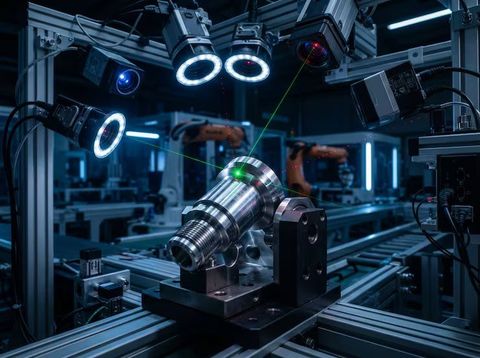
Turret lathes also fit into broader industrial automation strategies. They can be integrated with automatic loading systems, robotic handling, inspection equipment, production monitoring, and factory data systems.
Turret Lathe Technology Comparison
| Technology | Main Characteristic | Typical Application |
|---|---|---|
| Conventional turret lathe | Mechanical operation | Repetitive machining |
| NC turret lathe | Program-based control | Repeated component production |
| CNC turret lathe | Computer numerical control | Precision and flexible machining |
| CNC with automatic tooling | Automated tool selection | Multi-operation production |
| Smart CNC turret lathe | Sensors and connected monitoring | Digital manufacturing |
Recent Updates: Automation and Smart Machining Trends
The development of turret lathe machines is increasingly connected with CNC automation, industrial IoT, robotics, artificial intelligence, and smart manufacturing.
India's machine-tool sector has been moving toward greater integration of CNC systems, robotics, additive manufacturing, advanced materials processing, and Industry 4.0 technologies. HMT's 2024–25 annual report describes the wider Indian machine-tool industry as incorporating AI, industrial IoT, and smart manufacturing principles.
One important trend is the use of connected machine data. Sensors can monitor conditions such as spindle behavior, vibration, temperature, tool status, and machine operating parameters. Depending on the system, this information can help manufacturers identify unusual operating conditions and plan maintenance activities.
Another trend is automated material handling. A CNC turret lathe can be combined with robotic arms or automated loading equipment to move components between machining and inspection stages.
Digital Controls and CNC Programming
Modern CNC systems can store machining programs and execute predetermined sequences. Operators and programmers can define parameters such as:
- Spindle speed
- Feed rate
- Cutting depth
- Tool movement
- Tool offsets
- Workpiece coordinates
- Machining sequences
- Safety-related machine limits
Simulation software can also be used before machining begins. Virtual machining environments can help identify programming errors, tool-path problems, and potential collisions before a physical production cycle.
Artificial Intelligence and Predictive Monitoring
AI is becoming relevant to manufacturing analytics, although its practical use varies considerably between machines and factories.
AI-based systems can analyze machine data to identify patterns associated with tool wear, vibration, process variation, or maintenance requirements. These systems should be treated as decision-support technologies rather than guaranteed predictors.
The broader move toward smart manufacturing is also encouraging manufacturers to connect CNC equipment with factory monitoring platforms and production databases.
More Flexible Production
Another development is greater flexibility. Modern CNC turret lathes can accommodate different programs and tooling configurations, making them suitable for environments where manufacturers produce multiple component designs rather than one extremely repetitive product.
This is particularly relevant to precision engineering, automotive components, industrial machinery, and other sectors where product specifications can change.
Laws or Policies: Machine Safety and Standards in India
For manufacturers operating in India, machinery safety and applicable standards are important considerations.
The Bureau of Indian Standards provides standards and certification information covering machine safety. Its published material includes guidance related to metal-cutting machines and relevant machine-tool safety standards.
The Indian regulatory framework has also undergone changes in recent years. The Ministry of Heavy Industries lists developments concerning the Machinery and Electrical Equipment Safety (Omnibus Technical Regulation), including amendments issued during 2025 and a withdrawal entry dated January 16, 2026.
This is important because regulatory applicability can depend on the specific machine category, date, notification, and intended use. Therefore, manufacturers and users should verify the latest applicable requirements rather than relying on older summaries.
BIS documentation identifies metal-cutting machine tools within the relevant regulatory framework and references standards including IS 17258:2019 / ISO 23125:2015 for turning machines.
Safety considerations for turret lathe operations commonly include:
- Guarding of moving components
- Emergency stopping arrangements
- Safe workholding
- Appropriate machine enclosure
- Protection from rotating parts
- Proper electrical safety
- Tool and workpiece security
- Operator training
- Risk assessment
- Regular inspection and maintenance
BIS guidance emphasizes that machine tools can present significant hazards and that standardized safety practices are important for reducing risks.
Because regulations can change, businesses should consult the latest applicable BIS and government notifications for their particular machine category.
Tools and Resources for Turret Lathe Machining
Several types of digital and technical resources can help users understand, program, operate, and maintain turret lathe machines.
CNC Programming Software
CNC programming and simulation software can help create machining sequences and visualize tool paths before production.
Useful functions can include:
- Tool-path simulation
- G-code verification
- Collision checking
- Coordinate management
- Cycle-time estimation
- Program editing
CAD and CAM Tools
Computer-aided design and manufacturing tools can connect component drawings with machining processes. CAD software can create the component geometry, while CAM software can generate appropriate machining paths.
Machining Calculators
Technical calculators can help estimate parameters such as:
- Cutting speed
- Spindle speed
- Feed rate
- Material removal rate
- Machining time
- Tool engagement
These calculations should always be checked against the machine manufacturer's specifications, cutting-tool recommendations, material properties, and actual machining conditions.
Digital Maintenance Records
Electronic maintenance templates can record machine inspections, lubrication activities, tool changes, calibration information, alarms, and maintenance observations.
Standards and Technical Documentation
Manufacturers and operators should maintain access to relevant machine manuals, technical drawings, safety documentation, tooling specifications, and applicable national or international standards.
FAQs About Turret Lathe Machines
What is a turret lathe machine?
A turret lathe is a machine tool equipped with a rotating turret that can hold multiple cutting tools. The turret indexes different tools into position for successive machining operations.
What is the difference between a turret lathe and a CNC lathe?
A turret lathe describes the machine's multi-tool turret arrangement, while CNC describes computer numerical control. A CNC lathe can incorporate a turret and automatically control machining movements and tool sequences.
What operations can turret lathes perform?
Depending on the machine configuration and tooling, turret lathes can perform turning, facing, drilling, boring, threading, grooving, chamfering, and related machining operations.
How is automation changing turret lathe machines?
Automation is introducing automatic tool management, robotic material handling, sensors, machine monitoring, CNC integration, and connections with wider factory production systems.
Are turret lathe machines covered by safety standards?
Machine-tool safety requirements can apply depending on the machine category and jurisdiction. In India, BIS publishes relevant machine safety standards, including standards associated with turning machines and metal-cutting equipment.
Conclusion
Turret lathe machines have developed from mechanically operated production equipment into increasingly sophisticated CNC and automated machining systems. Their multi-tool configuration allows several operations to be performed in a planned sequence, while modern CNC controls provide greater programming flexibility and process control.