Diwali Home Cleaning Guide: Kitchen, Bathroom, Bedroom and Living Room Essentials
A Diwali Home Cleaning Guide explains how households can prepare their living spaces for Diwali by cleaning kitchens, bathrooms, bedrooms, and living rooms. Diwali, also known as Deepavali, is an important festival celebrated by many communities in India and around the world. It is associated with lights, family gatherings, traditional customs, prayers, and the preparation of homes for the festive period.
Context
A Diwali Home Cleaning Guide explains how households can prepare their living spaces for Diwali by cleaning kitchens, bathrooms, bedrooms, and living rooms. Diwali, also known as Deepavali, is an important festival celebrated by many communities in India and around the world. It is associated with lights, family gatherings, traditional customs, prayers, and the preparation of homes for the festive period.
Cleaning homes before Diwali is a longstanding household practice in many Indian communities. Families may organize their cleaning around the festival to refresh their surroundings, arrange decorations, prepare spaces for guests, and create a comfortable environment for celebrations. The specific traditions and cleaning routines differ according to regional customs, family preferences, and the size of the home.
Understanding Diwali Home Cleaning
Diwali home cleaning generally involves removing dust, washing frequently used surfaces, organizing belongings, and paying attention to areas that may receive less attention during everyday routines. The process can include cleaning fans, windows, cupboards, kitchen appliances, bathroom fittings, bedding, and floors.
A structured approach divides the home into manageable areas rather than treating every room as one large task. This makes it easier to organize cleaning materials, plan the time required, and avoid repeating the same work.
Importance
Diwali home cleaning matters because households often prepare for visitors, family meals, decorations, and religious activities during the festival. A clean and organized home can make these activities easier to manage while helping reduce accumulated dust, food residue, and moisture in frequently used areas.
Cleaning also addresses practical concerns that arise throughout the year. Grease can accumulate near cooking equipment, soap residue can collect in bathrooms, dust can settle on bedroom furnishings, and clutter can obstruct movement in living areas. Addressing these conditions before festive activities begin can help households maintain their spaces more comfortably.
Kitchen Cleaning Essentials
The kitchen requires careful attention because food preparation, cooking oils, moisture, and frequent handling can leave residue on surfaces. Diwali kitchen cleaning can include cupboards, countertops, sinks, appliance exteriors, exhaust filters, and storage areas.
Important tasks include:
Cupboards and shelves: Remove items, wipe away dust and spills, and check stored food for damaged packaging or expired contents.
Stovetops and cooking areas: Remove grease using a cleaner suitable for the surface, following its label instructions.
Refrigerators: Check food storage, clean removable shelves according to the manufacturer's guidance, and wipe handles and exterior surfaces.
Sinks and drains: Remove food particles and clean surrounding surfaces to reduce residue and unpleasant odors.
Kitchen floors: Sweep or vacuum loose debris before mopping, paying attention to corners and areas beneath movable furniture.
Food-contact surfaces should be rinsed when the cleaning product label requires it. Cleaning chemicals should never be mixed, particularly bleach with acidic cleaners or ammonia-containing products, because dangerous gases may form.
Bathroom Cleaning Essentials
Bathrooms are exposed to water, soap, and humidity, making them areas where residue and moisture can accumulate. A Diwali bathroom cleaning routine can cover toilets, sinks, taps, shower areas, mirrors, storage shelves, and floors.
Start by removing personal items from the surfaces being cleaned. Wash the sink and taps, clean the toilet with a suitable product, remove soap residue from shower surfaces, and wipe mirrors with a material that does not leave excessive lint.
Ventilation is important during and after cleaning because it helps reduce moisture buildup. Leaking taps, blocked drains, damaged sealant, and persistent damp patches may require additional attention beyond routine surface cleaning. Floors should be left as dry as practical to reduce slipping risks.
Bedroom Cleaning Essentials
Bedrooms collect dust through bedding, clothing, curtains, upholstery, and other furnishings. Before Diwali, households may wash bed linen, organize wardrobes, clean bedside tables, and remove dust from fans, window frames, and accessible areas beneath furniture.
Bedding should be washed according to its care instructions and dried thoroughly before use. Curtains, cushion covers, and mattress protectors may also need cleaning depending on their material and the manufacturer's guidance.
Wardrobe organization can involve separating regularly used clothing from items that need repair, storage, or disposal. Heavy furniture should not be moved without suitable assistance, and ladders or elevated surfaces should be handled carefully when cleaning ceiling fans or high shelves.
Living Room Cleaning Essentials
The living room is often used for family gatherings, receiving visitors, and arranging festive decorations. Common cleaning tasks include dusting furniture, cleaning windows, vacuuming upholstery, wiping electronic equipment appropriately, and organizing shelves or decorative items.
Extra attention may be needed for sofa cushions, rugs, door handles, light switches, and frequently touched surfaces. Electronics should be switched off before cleaning, and liquids should not be sprayed directly onto screens, sockets, or electrical equipment.
Diwali decorations such as lamps, strings of lights, and decorative fabrics should be arranged with adequate space around heat sources. Keeping walkways clear can help reduce tripping hazards when family members and guests move through the home.
Comparing Room-by-Room Cleaning Tasks
The table below summarizes common Diwali cleaning tasks and the main consideration for each area.
| Home area | Common cleaning tasks | Main consideration |
|---|---|---|
| Kitchen | Cupboards, counters, appliances, sink | Food hygiene and grease |
| Bathroom | Toilet, taps, shower, mirrors | Moisture and slip prevention |
| Bedroom | Bedding, wardrobes, fans, furniture | Dust and fabric care |
| Living room | Sofas, floors, windows, shelves | Clutter and guest movement |
| Entryway | Door, shoe storage, floor | Dust and clear access |
Recent Updates
Diwali home cleaning continues to follow familiar household practices, while planning methods and cleaning products have evolved. From 2024 through 2026, general household trends have included greater use of digital checklists, online cleaning guidance, reusable cleaning materials, and household appliances designed to help manage dust and floor care. These developments do not replace the need to follow product instructions or use appropriate safety precautions.
Digital Planning and Household Organization
Mobile reminders, shared calendars, and printable checklists can help families divide cleaning tasks among household members. Some people plan work over several days, beginning with cupboards and less frequently used spaces before moving to kitchens, bathrooms, and floors.
Vacuum cleaners, steam appliances, and other cleaning equipment may help with particular tasks, depending on the surface and appliance design. Steam should not be used on materials that could be damaged by heat or moisture, and electrical equipment should be operated according to the manufacturer's instructions.
Waste Reduction and Safer Cleaning
Households may also pay greater attention to reducing disposable materials and separating waste during festival preparation. Reusable cloths can be suitable for many surfaces when washed properly between uses, while old paint, batteries, electronic waste, and chemical containers may require separate disposal arrangements.
Cleaning products should be selected according to the surface, the type of residue, and the product label. Stronger chemicals are not necessarily more appropriate for every task, and using multiple products together can create unnecessary risks.
Laws or Policies
Household cleaning before Diwali is generally a personal and cultural activity rather than a practice governed by one specific national cleaning law. However, waste disposal, fire prevention, public cleanliness, and the handling of certain household materials are affected by relevant Indian rules and local requirements.
Waste Management in India
India's Solid Waste Management Rules, 2016, established a framework for managing municipal solid waste, including responsibilities associated with waste segregation and collection. Applicable requirements and implementation arrangements may vary according to current rules, local authorities, and the type of waste involved.
During Diwali cleaning, households can separate wet waste, dry recyclable materials, and domestic hazardous waste according to local municipal instructions. Batteries, electronic items, and certain chemical products should not automatically be placed in ordinary household waste because specialized collection or disposal arrangements may apply.
Fire and Electrical Safety
Diwali decorations may include oil lamps, candles, electrical lighting, and other items that create heat or use electricity. General fire-safety precautions include keeping open flames away from curtains and paper decorations, avoiding overloaded electrical sockets, and switching off damaged lighting equipment.
Households should follow applicable local fire-safety guidance and the instructions supplied with electrical products. Wet cleaning should not take place near energized sockets or electrical equipment, and lamps should be placed on stable, heat-resistant surfaces away from combustible materials.
Tools and Resources
Several everyday tools can help organize Diwali home cleaning. Their suitability depends on the room, the surfaces being cleaned, and the manufacturer's instructions.
Cleaning Supplies and Equipment
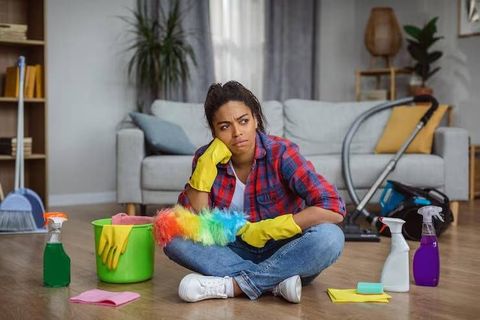
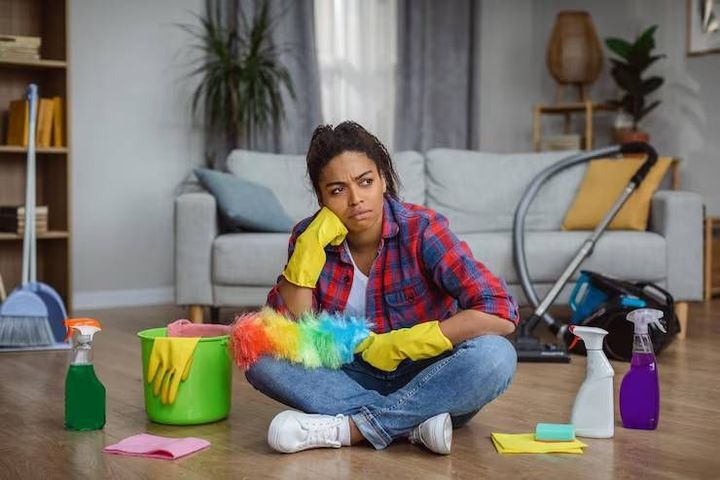
Common supplies include microfiber cloths, mops, buckets, brushes, gloves, suitable surface cleaners, and vacuum cleaners. Different cloths or cleaning tools can be kept for kitchen and bathroom use to reduce the transfer of dirt between areas.
A small caddy can keep frequently used materials together, while labels and original containers help identify cleaning products. Chemicals should be stored securely away from children, pets, food, and heat sources.
Checklists and Planning Tools
A room-by-room checklist can record tasks, assigned household members, and completion status. A calendar can spread cleaning activities across several days, while a household inventory can identify supplies that need replenishment.
The Central Pollution Control Board and local municipal corporation websites provide information about waste management and environmental guidance. Product manufacturers also publish instructions for cleaning specific materials, appliances, and surfaces.
FAQs
How should I plan Diwali home cleaning?
Divide the home into areas such as the kitchen, bathroom, bedroom, and living room. Start with decluttering and dusting, then clean surfaces and finish with floors to reduce repeated work.
What are the essential kitchen cleaning tasks before Diwali?
Clean cupboards, countertops, the stovetop, refrigerator surfaces, sink, and floor. Pay attention to food hygiene, grease buildup, and the safe use of cleaning products.
How can I clean a bathroom before Diwali safely?
Clean the toilet, sink, taps, shower surfaces, mirror, and floor with products suitable for each surface. Keep the room ventilated, never mix cleaning chemicals, and dry slippery areas carefully.
What should a Diwali bedroom cleaning checklist include?
Include bedding, wardrobes, bedside tables, fans, window frames, curtains, and accessible spaces beneath furniture. Follow fabric care instructions and use safe methods for reaching elevated areas.
How can I maintain living room cleanliness during Diwali?
Remove clutter, dust furniture and shelves, clean floors, and keep walkways clear. Place lamps and electrical decorations away from combustible materials and follow relevant safety instructions.
Conclusion
Diwali home cleaning brings together household organization, surface cleaning, waste management, and festive preparation. A room-by-room approach helps households address the different needs of kitchens, bathrooms, bedrooms, and living rooms. Safe chemical handling, appropriate waste separation, and careful placement of lamps and electrical decorations remain important throughout the process. Cleaning routines can be adapted to household size, available time, surface materials, and regional traditions.