Slot Machines Guide: Classic Designs, Video Formats, Bonus Rounds and Key Features
A Slot Machines Guide explains the history, designs, digital formats, bonus rounds, and technical features of machines used in gambling environments. Traditional slot machines developed from mechanical devices that used rotating reels and symbols to determine game outcomes. Over time, electronic controls and computer-generated graphics changed how these machines operate and how players interact with them.
Context
A Slot Machines Guide explains the history, designs, digital formats, bonus rounds, and technical features of machines used in gambling environments. Traditional slot machines developed from mechanical devices that used rotating reels and symbols to determine game outcomes. Over time, electronic controls and computer-generated graphics changed how these machines operate and how players interact with them.
Early machines generally relied on physical reels, levers, and mechanical systems. Modern versions may use digital screens, electronic controls, and random number generators. Although their appearance and features differ, the central concept remains similar: a game produces an outcome according to its programmed rules, and certain outcomes may correspond to prizes under the applicable game conditions.
Understanding Classic Slot Machine Designs
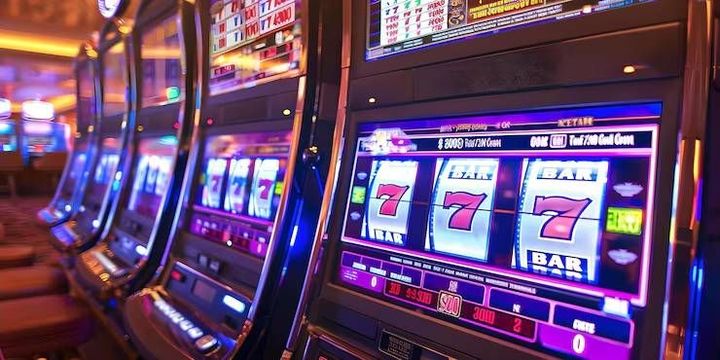
Classic slot machines often display three reels with familiar symbols such as bells, fruit, bars, and sevens. Their straightforward layout reflects the mechanical origins of these games. Some electronic versions reproduce this traditional appearance even though their outcomes are determined electronically rather than by physical reels.
Traditional designs commonly include fixed paylines, which are the patterns along which symbols are evaluated. A payline may run horizontally across the reels or follow another pattern specified in the game rules. Matching symbols on an eligible line may determine whether a result qualifies for a prize.
How Modern Slot Machines Work
Electronic slot machines use software to manage game operations, display symbols, and evaluate outcomes. Many regulated machines use a random number generator, or RNG, to produce results according to their technical design and applicable requirements.
The visible reels are not necessarily physical representations of the process that determines an outcome. In many digital games, the software maps an internally generated result to symbols displayed on the screen. This means that visual patterns, animations, and sounds do not establish whether a future result will be favorable.
Importance
Understanding slot machine formats matters because the visual design of a game can make its mechanics seem simpler or more predictable than they are. Players, families, researchers, and regulators may need to understand how random outcomes, paytables, bonus features, and spending limits relate to gambling activity.
Knowledge of game rules also helps distinguish entertainment features from mathematical probabilities. Bright animations, repeated symbols, progress indicators, and celebratory sounds are design elements; they do not independently establish the likelihood of a future prize.
Key Features and Their Meanings
Several terms describe the structure of slot machine games:
Reels: The columns that display symbols, either mechanically or digitally.
Paylines: The specified patterns used to evaluate symbol combinations.
Paytable: The rules showing which outcomes qualify for prizes and how they are evaluated.
Bet size: The amount assigned to a particular play, according to the game's controls.
Volatility: A general description of how frequently and how substantially results may vary over time.
Return to player (RTP): A theoretical percentage of total wagers that a game is designed to return over a very large number of plays, under its stated assumptions.
Bonus rounds: Additional game stages activated when specified conditions are met.
RTP is a long-term mathematical measure, not a prediction of what an individual will receive. Actual results over a short session can differ substantially from the theoretical percentage.
Comparing Common Slot Machine Formats
| Format | Typical design | Main feature |
|---|---|---|
| Classic slots | Often three reels | Traditional symbols and simpler layouts |
| Video slots | Commonly five or more reels | Digital graphics and varied symbol patterns |
| Progressive jackpot games | Connected or linked prize structures in some versions | A prize pool may change as qualifying wagers are made |
| Megaways-style games | Reels with changing symbol positions | The number of possible symbol arrangements can vary |
| Multiway games | Numerous adjacent symbol combinations | Winning combinations may be evaluated through rules other than fixed paylines |
These categories describe broad design approaches rather than a universal technical standard. The exact rules, number of reels, prize structures, and qualifying combinations differ between individual games.
Recent Updates
Between 2024 and 2026, digital gambling technology has continued to develop through improvements in graphics, mobile interfaces, account controls, and automated monitoring. The extent of these changes varies by jurisdiction and operator. Some developments concern how games are displayed, while others focus on technical testing, identity verification, and consumer protection.
Digital Formats and Interactive Features
Modern video slots may contain animated sequences, themed graphics, sound effects, and interactive bonus stages. Some games introduce expanding symbols, multipliers, wild symbols, or free-spin rounds. These features alter the way a game evaluates results, but their effect on probabilities depends on the specific rules and mathematical design.
Mobile-compatible interfaces have also made digital games accessible on a wider range of devices in jurisdictions where online gambling is permitted. Screen size, touch controls, and account interfaces may change the experience without changing the underlying mathematical principles. A mobile presentation alone does not establish that a game is licensed or legally available in a particular location.
Responsible Gambling Technology
Some regulated gambling platforms use account limits, session reminders, time-outs, self-exclusion tools, and transaction monitoring. The availability of these controls varies by operator and local law. Such measures can help people monitor participation, although they cannot eliminate the financial risks associated with gambling.
Regulatory attention also includes technical testing and controls intended to identify suspicious activity. Depending on the jurisdiction, requirements may cover RNG testing, game certification, advertising, age verification, reporting, and the handling of customer funds.
Laws or Policies
Slot machine laws differ significantly between countries and, in some places, between states or regions. Rules may distinguish between physical casino machines, machines in licensed venues, online casino games, social games, and games that do not involve real-money wagering. A game's technical format does not determine its legal status by itself.
Gambling Rules in India
In India, gambling regulation involves a combination of central legislation, state laws, and rules that may apply to particular forms of gaming. The Public Gambling Act, 1867, is a historical central law, while individual states have developed different legal frameworks. Its application and the relationship between different laws require attention to the relevant jurisdiction and circumstances.
Online gaming rules have also evolved, including changes to the central framework governing online games and related regulatory oversight. The Promotion and Regulation of Online Gaming Act, 2025, introduced a national framework concerning online money games. Its applicability, commencement, and associated rules should be checked against current official government publications rather than inferred from the appearance of a game or a website's claims.
The legal position may differ between a physical machine in a licensed establishment and an online game accessed through a mobile device. Users should not assume that a game is lawful merely because it is accessible online or appears on an application marketplace.
Age Limits and Consumer Protection
Where gambling is legally permitted, operators may be required to apply age restrictions, identity checks, licensing conditions, and responsible gambling procedures. Specific requirements vary by location. Unauthorized gambling activity may carry legal consequences under applicable laws.
Consumer protection can also be relevant to misleading representations, payment disputes, personal-data handling, and the terms governing a game. Players should distinguish between independently verified regulatory information and statements made by an operator. This article provides general information, not legal advice.
Tools and Resources
Educational resources can help readers understand slot machine mechanics, probabilities, and the legal rules governing gambling. The reliability of a resource depends on its source, jurisdiction, and publication date.
Probability and Game Information
A basic probability calculator can illustrate how independent events behave. For example, the outcome of one independent random event does not become more likely simply because a different outcome occurred several times before it. Actual slot machine mathematics can be more complex because the software may use specific symbol mappings, game states, and feature rules.
The paytable and game rules provide information about eligible symbol combinations, bonus triggers, and the conditions governing prizes. Technical information about RTP or volatility should be interpreted in the context of the specific game version and its stated assumptions.
Regulatory and Support Resources
Government websites and official regulatory publications can help establish whether particular gambling activities are permitted in a jurisdiction. In India, relevant central and state government publications are important because the rules can differ according to location and type of activity.
People concerned about gambling-related spending can use personal budgeting tools, transaction records, and device-based time limits to monitor their behavior. Where gambling becomes difficult to control or creates financial distress, qualified mental health professionals and recognized support organizations may provide assistance.
FAQs
What is the difference between classic and video slot machines?
Classic slot machines generally imitate traditional three-reel designs with familiar symbols. Video slots use digital displays and may include additional reels, more complex symbol arrangements, and interactive features.
How do slot machine bonus rounds work?
Bonus rounds are additional game stages activated when the specified conditions are met. They may involve extra spins, special symbols, or multipliers, but the rules and probabilities differ between games.
What does slot machine RTP mean?
Return to player is a theoretical percentage calculated over a very large number of plays. It does not predict the outcome of an individual session or guarantee that a particular player will receive that percentage.
Are online slot machines legal in India?
The legal position depends on the applicable central framework, state laws, the type of game, and the rules in force. The Promotion and Regulation of Online Gaming Act, 2025, is relevant to online money games; current official legal publications should be consulted to establish its application and commencement.
Can slot machine outcomes be predicted from previous results?
Previous results generally do not reliably predict future outcomes in games designed around independent random events. Visual patterns, recent losses, and previous prizes do not establish that a particular future outcome is due.
Conclusion
Slot machines have evolved from mechanical reel devices into electronic and digital games with varied formats and bonus features. Their outcomes depend on the rules and mathematical systems governing each game, while RTP and volatility describe different aspects of long-term behavior. Gambling laws, licensing requirements, and responsible gambling controls vary across jurisdictions. Understanding these distinctions provides a factual foundation for examining slot machine technology and its associated risks.
Disclaimer: The information provided in this article is for informational purposes only. We do not make any claims or guarantees regarding the accuracy, reliability, or completeness of the information presented. The content is not intended as professional advice and should not be relied upon as such. Readers are encouraged to conduct their own research and consult with appropriate professionals before making any decisions based on the information provided in this article