Dubai Metro Careers Overview With Qualifications, Roles, and Application Information
Dubai Metro is an urban rail transportation network that supports daily travel across Dubai. It operates as part of the wider public transportation system, connecting residential districts, commercial areas, business centers, shopping destinations, and transport interchanges.
Its development reflects the city's growing population, expanding infrastructure, and demand for organized urban mobility.
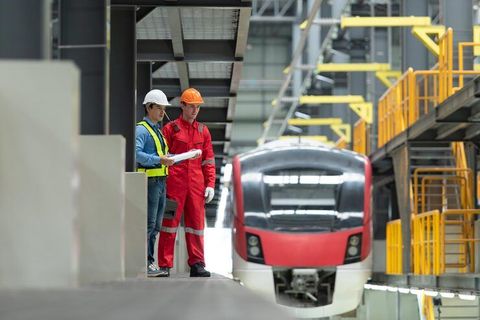
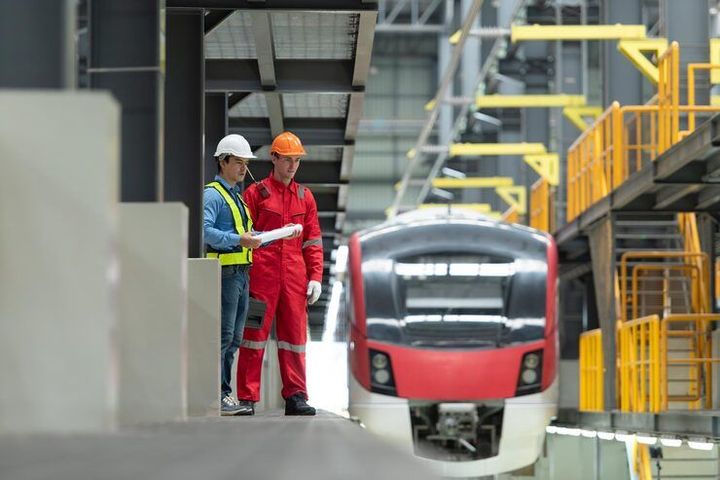
Dubai Metro careers cover several professional areas, including train operations, station management, railway engineering, electrical maintenance, customer assistance, safety coordination, administration, and technical planning. These positions contribute to the operation and upkeep of railway infrastructure, helping passengers travel through the network in an organized manner.
People exploring Dubai Metro careers often want to understand the available roles, educational qualifications, experience requirements, and application procedures. Requirements vary according to the position, employer, and level of responsibility. Some roles focus on passenger communication and operational coordination, while others require technical knowledge, professional certifications, or experience with railway systems.
Dubai Metro operations involve multiple organizations and specialized teams. The Roads and Transport Authority (RTA) oversees public transportation planning and regulation in Dubai, while operating arrangements and recruitment responsibilities may differ among the organizations involved in railway operations and maintenance.
Background of Dubai Metro employment
Railway networks require coordinated teams to manage trains, maintain equipment, monitor passenger movement, and respond to operational issues. Dubai Metro careers developed alongside the expansion of the city's rail infrastructure and the need for qualified personnel across technical and administrative functions.
The employment structure includes operational, engineering, supervisory, and support positions. Understanding these categories helps applicants identify which qualifications and professional skills are relevant to their career interests.
Importance
Dubai Metro careers matter because urban rail transportation depends on reliable equipment, organized passenger movement, trained personnel, and consistent safety procedures. Each department contributes to the wider transportation system, from monitoring train movements to maintaining electrical equipment and assisting passengers inside stations.
These professional opportunities may interest engineering graduates, technical diploma holders, experienced railway personnel, administrative professionals, and individuals with customer-facing experience. The qualifications required depend on the responsibilities associated with each position.
Who can explore these career opportunities?
Potential applicants come from different educational and professional backgrounds. Common groups include:
Engineering graduates with knowledge of electrical, mechanical, civil, electronics, or railway engineering.
Technical diploma holders with training in equipment maintenance, electrical systems, electronics, or mechanical operations.
Operations professionals with experience in transportation coordination, scheduling, or control-room activities.
Customer-facing professionals with communication, language, and passenger assistance skills.
Administrative candidates with experience in human resources, procurement, finance, documentation, or information technology.
Not every position requires a university degree. Some technical and operational roles may accept relevant vocational qualifications or practical experience, depending on the employer's stated criteria.
Challenges addressed by railway professionals
Railway teams manage several practical challenges that affect the passenger experience and network reliability. These include equipment faults, crowd movement, communication during disruptions, preventive maintenance, and coordination between stations and control centers.
Engineering teams investigate technical issues and maintain railway assets. Station personnel help manage passenger movement, while operational teams coordinate train movements according to established procedures. Administrative departments support recruitment, records, procurement, and workforce planning.
Recent Updates
Railway employment trends from 2024 to 2026
Recent developments in urban transportation have increased attention to automation, predictive maintenance, digital monitoring, passenger information systems, and energy efficiency. These trends influence the knowledge and technical abilities that railway employers may seek when recruiting for relevant positions.
Dubai's continuing focus on transportation infrastructure and integrated mobility also makes technical modernization and operational coordination important areas to understand. However, broader industry developments do not confirm that a particular vacancy is currently available or that a specific qualification is mandatory.
Skills becoming relevant in modern railway operations
Several areas are increasingly relevant to railway-related professional development:
Digital monitoring: Understanding computerized monitoring systems, operational dashboards, and equipment status information.
Predictive maintenance: Using inspection records and equipment data to identify potential faults before they cause disruptions.
Automation: Familiarity with automated train operations, control systems, sensors, and electronic equipment.
Safety management: Understanding risk assessments, emergency procedures, incident reporting, and operational discipline.
Passenger communication: Providing clear information during routine operations, delays, and changes in station conditions.
Technical positions may require experience with specialized railway equipment or industrial systems. Applicants from other industries can assess whether their existing skills transfer to maintenance, control systems, electrical engineering, or administrative responsibilities.
Understanding recruitment announcements
Recruitment information can change as staffing requirements, operational contracts, and infrastructure needs evolve. A position mentioned in an older announcement may no longer be available, and job titles can differ between operators and contractors.
Applicants should distinguish between confirmed vacancies and general career information. A recruitment announcement should identify the employer, position title, required qualifications, experience expectations, application method, and any relevant employment conditions.
Laws or Policies
Employment regulations in Dubai
Dubai Metro careers are affected by the employment rules applicable to the recruiting organization and the employee's work arrangement. Private-sector employment in the United Arab Emirates is generally governed by federal labour legislation, while government entities may operate under different employment frameworks.
Relevant requirements can include employment contracts, working hours, leave entitlements, workplace safety, and the legal conditions for ending employment. The applicable rules depend on the employer and the legal category of the position.
Foreign applicants must also meet the relevant immigration and work authorization requirements. An applicant should not assume that applying for a vacancy automatically provides permission to work in the UAE.
Qualifications and professional requirements
Employers establish qualification criteria according to the technical complexity and safety implications of each position. Engineering and supervisory roles may require relevant degrees and substantial experience, while entry-level support positions may have different educational requirements.
Certain technical positions can require professional certificates, equipment-specific training, or evidence of previous railway experience. Documents may need verification or attestation where applicable, depending on the employer and the nature of the qualification.
Safety and operational standards
Railway personnel work within procedures intended to protect passengers, employees, equipment, and infrastructure. These procedures may cover access to restricted areas, electrical safety, incident reporting, emergency response, equipment inspection, and operational communication.
Employees in safety-sensitive positions may need role-specific training and assessments before performing designated duties. Compliance with operational procedures remains important throughout employment, not only during initial training.
Tools and Resources
Platforms for finding Dubai Metro careers
Applicants can use several types of resources to identify vacancies and understand recruitment requirements. The most relevant starting points are official recruitment channels associated with the RTA, the organization operating the railway, and contractors responsible for particular operational or maintenance activities.
Useful resources include:
Official RTA website: Provides information about Dubai's transportation authority, its activities, and relevant recruitment information when published.
Railway operator career pages: May list vacancies for operations, station management, maintenance, engineering, and related departments.
Employer recruitment portals: Allow applicants to review role descriptions, submit applications, and follow recruitment instructions.
Professional networking platforms: Can help identify employer announcements, professional contacts, and information about relevant experience.
Qualification assessment resources: Help applicants understand academic documentation, certificate verification, and recognition requirements where applicable.
Applicants should verify that a recruitment page belongs to the named employer or an authorized recruitment partner before submitting personal documents.
Common Dubai Metro roles and qualifications
The following table provides a general overview of railway-related positions. It describes common expectations rather than confirmed vacancies or universal eligibility requirements.
Role | Typical educational background | Relevant skills |
|---|---|---|
Train operator | Role-specific training and required qualifications | Operational discipline, concentration, safety procedures |
Station staff | Secondary education or other employer-specified qualifications | Communication, passenger assistance, coordination |
Railway engineer | Degree in an appropriate engineering discipline | Technical analysis, inspections, problem-solving |
Electrical technician | Technical diploma or relevant vocational training | Electrical systems, testing, maintenance |
Mechanical technician | Mechanical diploma or equivalent training | Equipment inspection, troubleshooting, repair |
Control-room personnel | Relevant operational or technical qualifications | Monitoring, communication, incident coordination |
Safety officer | Relevant safety qualifications and experience | Risk assessment, reporting, compliance |
Administrative staff | Relevant education or professional experience | Documentation, scheduling, organization |
Preparing an application
A structured application helps employers assess whether a candidate meets the stated requirements. Applicants can prepare the following documents where requested:
An updated CV containing education, relevant experience, technical skills, and professional certifications.
Academic certificates and transcripts relevant to the position.
Employment records or experience letters when required.
Valid identification and other documents requested by the employer.
Professional licences or specialist training certificates where applicable.
The CV should use accurate employment dates, clear descriptions of previous responsibilities, and qualifications that can be verified. Technical candidates may also describe their experience with maintenance systems, electrical equipment, automation, safety inspections, or railway-related projects.
Understanding the application process
The recruitment process varies by employer and position, but it commonly includes several stages.
Vacancy review: Read the eligibility criteria, responsibilities, experience requirements, and application instructions.
Document submission: Complete the application form and provide the requested information.
Initial assessment: The employer reviews qualifications, experience, and suitability for the position.
Interview or technical assessment: Some positions require interviews, practical examinations, or competency assessments.
Verification and onboarding: Selected candidates may undergo document checks, medical assessments where applicable, and role-specific training.
The time required for these stages depends on the employer, the number of applicants, and the nature of the position. Application completion does not establish that a candidate will progress to the next stage.
FAQs
What qualifications are required for Dubai Metro careers?
Qualifications depend on the position. Engineering roles commonly require relevant degrees, technical positions may require diplomas or vocational training, and passenger-facing roles may emphasize communication and operational skills.
How can applicants find Dubai Metro vacancies?
Applicants can review official RTA recruitment information, railway operator career pages, and authorized recruitment platforms. Each announcement should be checked for the employer's identity, eligibility requirements, and application instructions.
Are Dubai Metro careers available for fresh graduates?
Some employers may recruit graduates or candidates with limited experience for suitable entry-level or trainee positions. Availability depends on current vacancies and the specific education, training, and experience criteria.
Can international applicants apply for Dubai Metro careers?
International applicants may apply when a vacancy accepts their candidate category and they meet its requirements. Employment authorization, document verification, and other applicable immigration conditions must also be satisfied.
What skills are useful for Dubai Metro engineering careers?
Electrical, mechanical, electronics, civil engineering, automation, maintenance, and safety knowledge may be relevant. The required skills depend on the railway systems involved and the responsibilities listed in the vacancy.
Conclusion
Dubai Metro careers span train operations, engineering, maintenance, station management, safety, and administrative functions. Educational requirements and experience expectations vary according to the position and recruiting organization. Applicants need to understand the relevant employment rules, prepare accurate documentation, and review the criteria published for each vacancy. Current recruitment information should be distinguished from general descriptions of railway career opportunities.