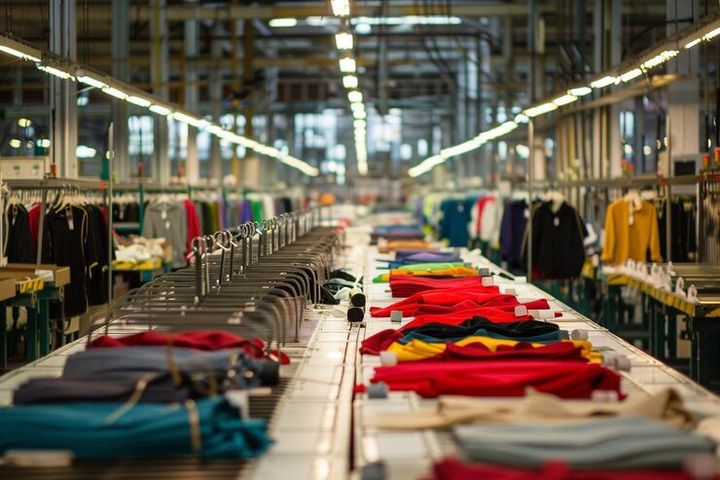
Textile and Apparel Exports Explained With Manufacturing, Trade, and Supply Chain Insights
Textile and apparel exports involve the production and international shipment of fabrics, clothing, yarn, home textiles, and other textile-based products. This industry connects raw material producers, spinning mills, fabric manufacturers, garment factories, logistics providers, and international retailers through a network of manufacturing and trade activities.
It plays an important role in global commerce because clothing and textile products are used in everyday life, industrial applications, healthcare environments, and household settings.
The industry developed through traditional weaving, spinning, and garment-making practices that gradually evolved into mechanized manufacturing. Improvements in textile machinery, transportation, communication, and international trade enabled manufacturers to supply products to customers across different regions. Today, textile and apparel exports depend on coordinated production systems, quality management, international trade procedures, and reliable supply chains.
Textile exports include raw fibers, yarn, woven fabrics, knitted materials, and finished textile products. Apparel exports focus primarily on clothing, such as shirts, trousers, dresses, jackets, uniforms, and sportswear. Although these categories overlap, they often involve different manufacturing processes, technical requirements, and shipment arrangements.
How textile and apparel manufacturing works
The manufacturing process typically begins with natural or synthetic fibers. Cotton, wool, silk, polyester, and nylon are examples of materials used to produce yarn and fabric.
The general production sequence includes:
Fiber preparation, where raw materials are cleaned, sorted, or processed.
Spinning, where fibers are converted into yarn.
Fabric formation, using weaving, knitting, or other textile techniques.
Dyeing and finishing, which provide color, texture, or functional properties.
Garment production, involving cutting, stitching, assembly, and finishing.
Inspection and packaging, before products are prepared for international shipment.
Not every exported product passes through every stage within the same country. Some manufacturers import yarn or fabric, complete specific processing activities, and export the finished material or garment to another market.
Main categories of textile exports
Textile and apparel exports cover several product groups, each with distinct production requirements.
Export category | Common products | Typical applications |
|---|---|---|
Fibers and yarn | Cotton yarn, polyester yarn, wool fibers | Weaving, knitting, and further processing |
Fabrics | Woven cotton, knitted fabric, synthetic textiles | Clothing and industrial production |
Apparel | Shirts, dresses, trousers, jackets | Personal clothing and uniforms |
Home textiles | Towels, curtains, bedding, table linen | Household and hospitality use |
Technical textiles | Geotextiles, filtration fabrics, protective materials | Construction, manufacturing, and specialized applications |
These categories help explain how manufacturers participate in international trade. Their production methods, documentation requirements, packaging needs, and delivery schedules may differ significantly.
Importance
Textile and apparel exports matter because they connect manufacturing economies with international demand for clothing, household materials, and specialized fabrics. They also influence employment opportunities across production, transportation, warehousing, inspection, and related business activities. Changes in international demand can affect factories, material suppliers, and communities that depend on textile manufacturing.
For consumers, international textile trade affects product availability, material choices, clothing design, and the movement of goods between manufacturing regions and retail markets. For businesses, exports create opportunities to reach customers in different markets while requiring careful coordination of production capacity, product specifications, and delivery schedules.
Who is affected by textile exports?
Several groups participate in the textile export ecosystem.
Manufacturers manage machinery, production schedules, quality checks, and material requirements.
Raw material suppliers provide fibers, yarn, dyes, and other production inputs.
Exporters and trading companies coordinate orders, documentation, customs procedures, and overseas shipments.
Freight forwarders and logistics companies arrange transportation, cargo handling, and shipment tracking.
Importers and retailers manage product specifications, inventory planning, and distribution.
Workers and local communities are affected by factory conditions, production stability, and changes in international demand.
These participants depend on accurate information and communication. Delays in fabric production, incorrect specifications, or missing shipping documents can disrupt several stages of the supply chain.
Common challenges in international textile trade
Textile exporters face challenges related to fluctuating demand, material availability, production capacity, quality consistency, and transportation schedules. Seasonal clothing collections can create concentrated periods of demand, while changes in consumer preferences may require manufacturers to adjust product designs or production volumes.
Other difficulties include inconsistent raw material quality, excess inventory, delayed payments, customs documentation errors, and differences in technical requirements between importing markets. Environmental concerns also influence the industry, particularly in dyeing, finishing, water consumption, chemical management, and textile waste.
Managing these challenges requires coordination between suppliers, factories, buyers, logistics partners, and regulatory authorities. Accurate records and clear product specifications help reduce misunderstandings throughout international transactions.
Recent Updates
The textile and apparel export industry continues to evolve through digital manufacturing, sustainability initiatives, changing sourcing strategies, and greater attention to supply chain transparency. Developments during 2024–2026 reflect a broader shift toward more flexible production planning and improved visibility into how textile products are manufactured and transported.
Digital manufacturing and supply chain tracking
Manufacturers increasingly use production planning software, digital inventory records, automated cutting equipment, and enterprise resource planning systems. These technologies help track material consumption, monitor production progress, and coordinate orders across multiple facilities.
Digital product records and supplier documentation are also becoming more important. Importers may request information about fiber composition, manufacturing locations, material origins, and processing methods. The level of traceability required depends on the product, customer expectations, and applicable regulations.
Sustainability and material innovation
Environmental considerations continue to influence textile production and international sourcing. Manufacturers are examining water consumption, energy efficiency, waste reduction, recycled fibers, and the management of chemicals used during dyeing and finishing.
Recycled polyester, recycled cotton, and other alternative materials are used in some product categories, although their suitability depends on performance requirements and manufacturing capabilities. Claims about recycled content or environmental performance require reliable supporting documentation.
Changing sourcing and production strategies
Some international buyers are diversifying supplier networks to manage transportation risks, regional disruptions, and changing delivery requirements. This can involve working with manufacturers in several countries or sourcing different production stages from separate locations.
Shorter production runs, improved demand forecasting, and more flexible manufacturing arrangements are also relevant trends. However, implementation depends on factory capacity, technical expertise, infrastructure, and the type of textile product being produced.
Laws or Policies
Textile and apparel exports are governed by a combination of national export procedures, customs requirements, product standards, trade agreements, and rules in destination markets. Requirements differ by country, product category, fiber composition, intended use, and the countries involved in manufacturing and shipment.
Because no single target country is specified, the following overview describes common regulatory areas rather than the complete legal framework of a particular jurisdiction.
Export documentation and customs procedures
Exporters generally need accurate commercial and shipping documentation. Depending on the transaction, this may include:
Commercial invoices describing the goods and transaction details.
Packing lists showing quantities, packaging, and shipment contents.
Transport documents, such as bills of lading or air waybills.
Customs declarations containing product classification and shipment information.
Certificates of origin when required by customs rules or trade agreements.
Product-specific certificates or inspection records where applicable.
Incorrect product classifications, inconsistent quantities, or incomplete documents can cause customs delays. Exporters must verify the applicable procedures with the relevant customs authority and logistics partners.
Product labeling and safety requirements
Importing markets may require textile labels to identify fiber composition, care instructions, country of origin, or other product details. Additional rules can apply to children's clothing, protective apparel, specialized fabrics, dyes, and chemical residues.
Manufacturers and exporters must determine which requirements apply to each product and destination. A label accepted in one market may not satisfy the rules of another.
Trade agreements and sustainability rules
Trade agreements can influence tariffs, origin requirements, and market access. Preferential tariff treatment may depend on where materials originate and how products are processed, so documentation of the manufacturing process can be important.
Environmental and due diligence requirements are also relevant to international textile supply chains. Some importing markets have introduced or developed rules addressing chemicals, product sustainability, waste, or corporate supply chain responsibilities. The scope and implementation of these requirements vary, and exporters should distinguish enacted obligations from proposed measures.
Tools and Resources
Textile exporters use digital tools and reference materials to organize production, evaluate international markets, prepare documentation, and monitor shipments. The appropriate tools depend on the size of the business, product category, destination market, and complexity of its supply chain.
Market research and trade data
International trade databases help users examine import and export patterns, identify product categories, and compare trade activity between countries. Customs classification systems are particularly useful because they organize goods under standardized codes.
Useful resource categories include:
International trade statistics databases for studying textile import and export flows.
Customs tariff databases for reviewing product classifications and applicable duties.
Government export portals for understanding registration, declarations, and documentation.
Trade association publications for industry developments and manufacturing information.
Trade data should be interpreted carefully. Reported values, quantities, reporting periods, and product classifications may differ between sources.
Manufacturing and logistics software
Enterprise resource planning systems help manufacturers coordinate purchasing, production, inventory, and order records. Manufacturing execution systems can track production activities, while warehouse management systems support inventory control and shipment preparation.
Freight management and shipment-tracking platforms help businesses monitor cargo movement and coordinate transportation. Spreadsheet templates can also organize supplier details, order quantities, inspection results, production milestones, and export documentation.
Quality and compliance management
Quality management tools help record fabric specifications, color consistency, dimensional measurements, defect rates, and inspection outcomes. Laboratories may conduct tests for fiber composition, strength, colorfastness, shrinkage, and other properties relevant to the intended application.
Document management systems can maintain certificates, supplier declarations, test reports, and shipment records. Keeping these records organized supports internal checks and helps businesses respond to documentation requests from customers or authorities.
FAQs
What is textile and apparel export?
Textile and apparel export is the international shipment of textile materials and finished clothing. It includes fibers, yarn, fabrics, garments, home textiles, and certain technical textile products.
How does the textile export supply chain work?
The supply chain typically connects raw material suppliers, spinning mills, fabric manufacturers, garment factories, inspection teams, logistics providers, and overseas importers. Products move through different stages depending on the materials, manufacturing arrangements, and destination requirements.
Which documents are required for apparel exports?
Common documents include commercial invoices, packing lists, transport documents, and customs declarations. Certificates of origin, inspection records, and other documents may also be required depending on the product, destination, and applicable trade rules.
How do textile manufacturers maintain export quality?
Manufacturers use material specifications, production controls, inspection procedures, and laboratory testing to assess fabric and garment quality. Testing may cover strength, shrinkage, colorfastness, dimensions, and fiber composition.
What trends are shaping textile and apparel exports?
Important trends include digital production management, supply chain traceability, recycled materials, environmental monitoring, and diversification of sourcing arrangements. Their adoption varies by manufacturer, product type, and importing market.
Conclusion
Textile and apparel exports connect raw material production, fabric manufacturing, garment assembly, and international distribution. Their performance depends on product quality, supply chain coordination, accurate documentation, and compliance with applicable trade requirements. Digital manufacturing and sustainability initiatives are influencing how businesses manage production and document material origins. Understanding these processes provides a clearer view of the relationships between textile manufacturing and global trade.