Heavy Equipment Leasing Companies Explained With Equipment Selection and Leasing Insights
Heavy equipment leasing companies are part of the broader equipment finance and construction machinery ecosystem. They provide businesses and organizations with structured access to machinery for a defined period instead of requiring the equipment to be permanently owned from the beginning.
This approach is commonly associated with construction, infrastructure development, agriculture, manufacturing, mining, logistics, landscaping, and other industries that depend on large machinery.
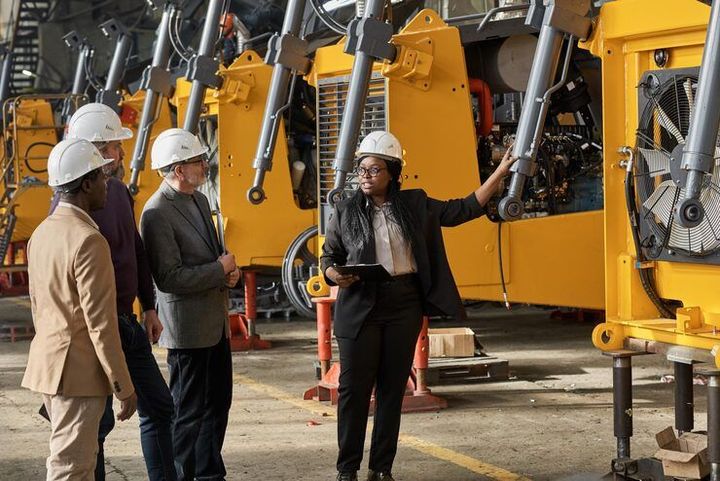
Heavy equipment includes excavators, bulldozers, wheel loaders, cranes, graders, forklifts, compactors, telehandlers, skid steer loaders, aerial platforms, and specialized machinery. These machines can represent a substantial financial commitment, particularly when several types of equipment are needed for a project.
Leasing arrangements developed as businesses sought more flexible ways to use machinery while managing budgets, project schedules, maintenance responsibilities, and equipment replacement cycles. Depending on the agreement, the leasing company may retain ownership while the user receives the right to operate the equipment for an agreed period.
How Heavy Equipment Leasing Works
A typical arrangement begins with equipment selection. The user identifies the machine type, capacity, operating environment, expected usage, and required leasing period. The leasing company then evaluates the requested equipment and establishes the terms of the agreement.
Important elements commonly include:
- Equipment type and model
- Lease duration
- Payment schedule
- Usage conditions
- Maintenance responsibilities
- Insurance requirements
- Transportation arrangements
- Return or renewal conditions
- Ownership provisions where applicable
Different agreements can have different financial and operational structures. Some arrangements are designed around short project periods, while others cover longer equipment cycles.
Common Equipment Categories
Heavy equipment leasing companies may work with many categories of machinery. Excavators are frequently used for digging, trenching, demolition, and material handling. Wheel loaders are used for moving aggregates, soil, and other materials across work areas.
Other common categories include bulldozers for earthmoving, graders for surface preparation, cranes for lifting operations, compactors for soil and asphalt preparation, and forklifts for industrial material movement. The appropriate equipment depends on the operating environment and the specific requirements of the project.
Importance
Heavy equipment leasing is relevant because machinery requirements can change significantly between projects. A construction company may need an excavator for one phase, a crane for another phase, and a compactor during finishing activities. Long-term ownership of every machine may not align with the actual duration or frequency of use.
Leasing can also create a more structured approach to equipment planning. Instead of treating machinery as a permanent asset in every situation, organizations can align equipment access with project schedules, production requirements, and expected utilization.
Who Uses Heavy Equipment Leasing
Several industries use leasing arrangements for different operational reasons. Construction contractors may require machinery for infrastructure, commercial buildings, roads, or site preparation. Agricultural operators may need specialized machinery during particular seasonal periods.
Manufacturing facilities can use forklifts and material-handling equipment, while logistics operations may require warehouse and yard equipment. Mining and quarrying activities can involve excavators, loaders, haulage equipment, and drilling machinery.
The main consideration is equipment utilization. A machine that operates frequently throughout the year may have different financial implications from one that is required only for a limited project period.
Equipment Selection Factors
Choosing appropriate machinery involves more than identifying a machine category. Technical and operational characteristics can affect productivity, safety, and suitability.
Key factors include:
| Selection Factor | What to Examine |
|---|---|
| Machine capacity | Load, digging, lifting, or material-handling requirements |
| Operating environment | Terrain, space, weather, and surface conditions |
| Attachment requirements | Buckets, forks, breakers, blades, or other tools |
| Operating hours | Expected daily and total usage |
| Transportation | Machine dimensions, weight, and movement requirements |
| Fuel or power | Energy requirements and available infrastructure |
| Operator requirements | Controls, visibility, training, and machine complexity |
| Maintenance | Inspection intervals and maintenance responsibilities |
| Lease period | Alignment with project or operational duration |
A clear equipment assessment helps reduce the possibility of selecting machinery that is either unsuitable for the application or larger than necessary.
Financial and Operational Considerations
The financial structure of a lease can depend on equipment value, duration, expected usage, credit assessment, residual value, maintenance arrangements, and other contractual factors. A payment amount alone does not describe the complete financial impact of an agreement.
Organizations commonly examine the total financial obligation, payment frequency, initial requirements, maintenance provisions, insurance, transportation, taxes where applicable, and end-of-term conditions. Reviewing these elements together provides a clearer understanding of the arrangement.
Recent Updates
The heavy equipment leasing market has been influenced by developments in construction technology, equipment connectivity, sustainability initiatives, and changing project requirements. Digital systems are increasingly used to monitor machine hours, fuel consumption, location, maintenance intervals, and equipment utilization.
Connected Equipment and Telematics
Telematics systems can transmit operational information from machinery to digital platforms. Depending on the equipment and system, data may include engine hours, location, fuel usage, operating conditions, diagnostic information, and maintenance alerts.
For leasing arrangements, this information can support equipment utilization analysis and maintenance planning. It can also help organizations understand whether machines are being used according to the assumptions established during equipment selection.
Electrification and Lower-Emission Equipment
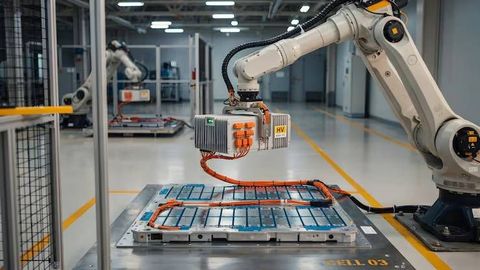
Battery-electric and hybrid heavy equipment has gained attention as manufacturers expand their equipment portfolios. Electrification is particularly relevant in environments where noise, local emissions, or indoor operation are important considerations.
However, electric equipment requires suitable charging infrastructure, operating planning, battery capacity assessment, and consideration of duty cycles. These factors have become part of equipment selection discussions alongside conventional specifications such as lifting capacity and engine power.
Flexible Equipment Planning
Changing construction schedules and project requirements have increased interest in flexible equipment arrangements. Digital platforms have also made it easier to compare machinery specifications, monitor utilization, and organize equipment records.
The market continues to include conventional ownership, leasing, rental arrangements, and other financing structures. Each approach can have different accounting, operational, and contractual implications.
Laws or Policies
Heavy equipment leasing is affected by multiple areas of regulation. The exact requirements vary by jurisdiction, equipment category, industry, and agreement structure. Financial contracts may be governed by commercial and contract laws, while machinery operation can be subject to workplace safety, transportation, environmental, and equipment-specific regulations.
Equipment Safety Requirements
Heavy machinery generally requires appropriate operating procedures, inspections, maintenance, and operator training according to applicable local rules. Requirements can differ for cranes, lifting equipment, earthmoving machinery, forklifts, and other specialized equipment.
Leasing agreements may identify which party is responsible for inspections, maintenance, repairs, insurance, documentation, and regulatory compliance. These responsibilities should be clearly defined in the contract.
Environmental Considerations
Environmental regulations can affect equipment selection through emissions requirements, noise restrictions, fuel standards, and operating limitations. Some jurisdictions have introduced programs that encourage lower-emission machinery or modernization of industrial equipment.
Businesses evaluating heavy equipment leasing companies may therefore need to consider both operational specifications and applicable environmental requirements. Regulatory obligations can change over time, making current local guidance relevant to specific projects.
Tools and Resources
Several tools can help users evaluate heavy equipment leasing arrangements. Equipment specification databases can be used to compare dimensions, operating weight, engine output, capacity, attachments, and other technical characteristics.
Lease calculators can help estimate payment structures using variables such as equipment value, lease period, interest assumptions, residual value, and payment frequency. The results are estimates and may not reflect the exact terms of a particular agreement.
Useful Planning Tools
Equipment utilization spreadsheets can track operating hours, project assignments, maintenance intervals, fuel consumption, and downtime. Total ownership analysis tools can compare leasing and ownership scenarios by incorporating depreciation, maintenance, financing, storage, insurance, and utilization assumptions.
Contract review templates can help organize important provisions such as payment schedules, maintenance duties, insurance, equipment condition, usage limits, early termination provisions, renewal conditions, and return requirements.
Manufacturer specification platforms, equipment management systems, financial calculators, and industry databases can also support equipment research. The information from these resources should be checked against the specifications and contractual terms applicable to the actual machinery.
FAQs
What do heavy equipment leasing companies provide?
Heavy equipment leasing companies arrange agreements that allow organizations to use machinery for a specified period under defined contractual conditions. Equipment categories can include excavators, loaders, cranes, forklifts, graders, compactors, and other specialized machines.
How should equipment be selected for a lease?
Equipment selection should consider capacity, operating environment, expected usage, attachments, transportation requirements, energy source, maintenance needs, and lease duration. Matching these factors with the actual project requirements can help establish an appropriate equipment plan.
What should a heavy equipment lease agreement include?
A lease agreement commonly identifies the equipment, lease period, payment schedule, maintenance responsibilities, insurance requirements, usage conditions, transportation arrangements, equipment condition requirements, and end-of-term provisions.
Are electric machines available through heavy equipment leasing companies?
Electric and hybrid machinery is increasingly included in equipment portfolios. Availability depends on the equipment category, market, manufacturer, charging infrastructure, operating requirements, and the terms established by individual leasing companies.
How are heavy equipment lease payments determined?
Payment structures can depend on equipment value, lease duration, financing conditions, residual value, credit assessment, expected usage, and contractual responsibilities. Additional expenses may arise from maintenance, insurance, transportation, taxes, or other agreement-specific provisions.
Conclusion
Heavy equipment leasing companies support structured access to machinery across construction, agriculture, manufacturing, logistics, infrastructure, and other industries. Equipment selection involves capacity, operating conditions, utilization, maintenance, transportation, energy requirements, and lease duration. Recent developments in telematics, electrification, and digital equipment management are changing how machinery is evaluated and monitored. Regulations concerning safety, environmental conditions, contracts, and equipment operation also influence leasing arrangements.