Industrial Container Washing Systems Guide With Automated Cleaning and Production Solutions
Industrial container washing systems are mechanical and automated cleaning systems designed to remove food residues, production materials, dust, oils, particles, and other contaminants from reusable containers.
They are used across food processing, beverage production, agriculture, logistics, manufacturing, and other industries where containers need to be cleaned before they return to a production or storage cycle.
Container cleaning has traditionally involved manual washing, soaking, rinsing, and inspection. As production volumes increased, industrial facilities developed mechanical washing equipment that could handle larger numbers of containers with controlled water pressure, temperature, detergent concentration, and cleaning time.
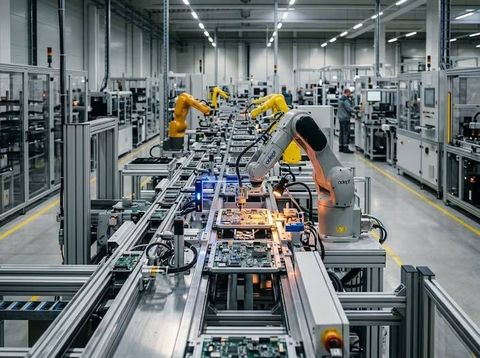
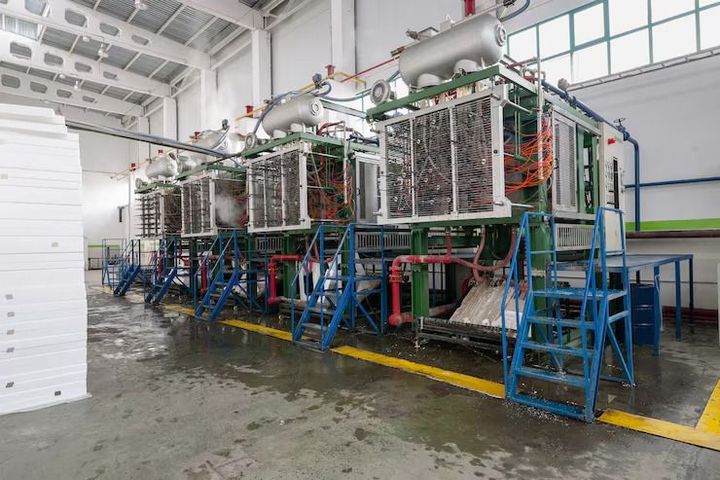
Modern industrial container washing systems can include conveyors, loading stations, pre-rinse sections, washing chambers, rinsing zones, drying equipment, filtration units, pumps, heaters, sensors, and control panels. The exact configuration depends on the container material, dimensions, contamination level, production environment, and required cleaning process.
Automation connects these components into a coordinated sequence. Containers can move through several cleaning stages while sensors and controllers monitor selected operating conditions. Some systems also record process information that can help operators review cleaning cycles and equipment performance.
How Industrial Container Washing Works
A typical automated container washing process may contain several stages. First, containers are loaded onto a conveyor or placed into a handling system. Loose material can be removed during a preliminary stage before the main washing cycle begins.
The main washing section generally uses water combined with an appropriate cleaning medium. Pumps circulate the cleaning liquid through spray nozzles or other washing mechanisms, while temperature and pressure are controlled according to the process design.
After washing, containers may pass through one or more rinsing stages. A final drying section can use air movement or other techniques to reduce remaining moisture before the containers move to inspection, storage, filling, or another production stage.
Main Equipment Components
Industrial container washing equipment can contain several interconnected components:
Loading and feeding systems for positioning containers
Conveyors for controlled movement
Pre-rinse sections for removing loose material
Main washing chambers for intensive cleaning
Spray nozzles for distributing cleaning liquid
Pumps for circulating water and cleaning solutions
Heating systems for temperature control
Filtration systems for managing suspended particles
Rinsing sections for removing remaining residues
Drying systems for reducing surface moisture
Sensors for monitoring selected process conditions
Control panels for operating automated sequences
The arrangement varies according to container size, shape, material, and production requirements.
Importance
Industrial container washing systems matter because reusable containers can accumulate residues and contaminants during repeated handling. Consistent cleaning processes help facilities manage hygiene requirements and prepare containers for their next operational stage.
The subject also affects resource management. Washing equipment can be designed around controlled water circulation, filtration, heating, and chemical dosing. Monitoring these parameters can help facilities understand how water, energy, and cleaning materials are being used.
Industries Using Container Washing Systems
Container washing equipment is used in many industrial environments. Food and beverage facilities may clean crates, trays, bins, bottles, kegs, tubs, or other reusable containers. Agricultural operations may use washing equipment for harvest crates and transport containers.
Manufacturing facilities can also use industrial washing systems for reusable boxes, components, pallets, drums, or production containers. The cleaning method depends on the material being removed and the physical characteristics of the container.
Hygiene and Production Flow
Container washing is often integrated into a wider production workflow. Clean containers may need to move directly toward filling, packaging, storage, or another controlled area.
Facility layout therefore matters. Washing equipment needs suitable access for loading, unloading, inspection, cleaning, maintenance, and waste-water collection. Drainage and ventilation can also be important because washing operations generate moisture and wastewater.
Separating dirty and cleaned container flows can help reduce unnecessary contact between different stages. The specific arrangement depends on the facility design and applicable hygiene requirements.
Water and Cleaning Management
Water quality and cleaning conditions are important parts of automated washing. Temperature, pressure, contact time, flow rate, filtration, and cleaning-agent concentration can influence the overall washing process.
Facilities may use separate water circuits for different stages. Filtration and controlled replacement can help manage suspended material, while monitoring systems can track selected water conditions.
Cleaning systems also require appropriate handling of wastewater. Depending on the facility and local requirements, wastewater may need treatment before discharge or further processing.
Recent Updates
Industrial container washing systems have increasingly incorporated automation, digital monitoring, improved water management, energy controls, and more flexible equipment configurations. The general direction is toward connecting washing equipment with wider production-management systems.
Automated Cleaning Controls
Modern equipment can use programmable controllers to coordinate conveyor movement, pump operation, heating, spray cycles, rinsing, and drying. Sensors can monitor selected conditions and communicate information to the control system.
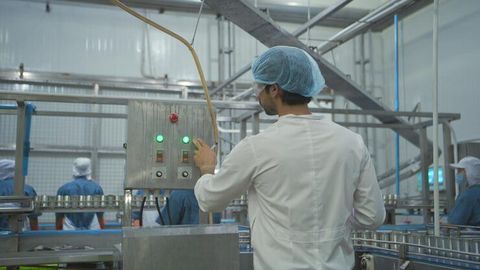
Human-machine interfaces can display operating status, alarms, temperature readings, cycle information, and other process data. Operators can use these interfaces to monitor the system and identify conditions requiring attention.
Automation levels differ considerably. Some facilities use partially automated washing equipment, while high-volume environments may integrate washing with automated loading, unloading, inspection, and container handling.
Water Recycling and Filtration
Water management has become an important consideration in industrial cleaning. Recirculation systems can move water through filtration or separation stages before it is reused within appropriate parts of the process.
Filtration equipment can remove suspended particles from circulating water. Different filtration approaches may be selected according to particle size, contamination type, water characteristics, and equipment configuration.
Water reuse does not mean that the same water is appropriate for every washing stage. Process design needs to distinguish between initial cleaning water and later rinsing stages where different water-quality requirements may apply.
Energy Monitoring
Heating water can represent a significant energy requirement in industrial washing. Modern systems may incorporate temperature sensors, insulation, heat recovery arrangements, variable-speed drives, and automated heating controls.
Energy monitoring can provide information about electricity, heating, pumping, and other equipment loads. Such information can be used as part of broader facility planning and equipment management.
Digital Maintenance Monitoring
Connected washing systems can collect information about pump operation, motor conditions, cycle counts, alarms, temperature patterns, and other equipment parameters.
Maintenance teams can review this information alongside physical inspections. Digital records may help identify recurring equipment conditions and support planned maintenance schedules.
Laws or Policies
Industrial container washing systems can be influenced by food hygiene requirements, environmental rules, workplace safety regulations, wastewater requirements, chemical handling provisions, and machinery standards. The exact requirements depend on the country, industry, container type, and facility activities.
Food Hygiene Requirements
Facilities involved in food-related operations generally need procedures that address contamination prevention, cleaning, sanitation, water quality, equipment hygiene, and personnel practices.
Where containers come into contact with food, the cleaning process may need to be validated or monitored according to the facility's food safety system. Cleaning chemicals and materials also need to be appropriate for their intended application.
HACCP-based systems may identify cleaning and sanitation activities as part of a broader hazard-control program. Documentation can include cleaning procedures, inspection records, monitoring results, and corrective actions.
Wastewater and Environmental Rules
Container washing produces wastewater containing residues, suspended solids, cleaning agents, and other substances. Environmental requirements may regulate how this wastewater is collected, treated, and discharged.
Facilities may therefore need drainage systems, collection tanks, filtration equipment, wastewater treatment systems, or monitoring arrangements depending on the nature of the wastewater.
Workplace and Machinery Safety
Automated washing systems contain moving conveyors, pumps, electrical equipment, heated surfaces, pressurized water, and potentially chemical cleaning agents. Safety measures can include machine guarding, emergency controls, suitable access arrangements, warning systems, electrical protection, and operator procedures.
Workers who inspect or maintain equipment may also require procedures for isolating electrical, hydraulic, pneumatic, thermal, or mechanical energy before certain maintenance activities.
Tools and Resources
Planning an industrial container washing system can involve several technical resources. Equipment specification sheets provide information about machine dimensions, conveyor speed, water requirements, electrical loads, heating capacity, container dimensions, and cleaning-cycle parameters.
Facility-layout software can help visualize equipment placement and access routes. Process-flow diagrams can show how containers move from dirty collection areas through washing, rinsing, drying, inspection, and clean storage.
Useful planning resources include:
Equipment specification sheets
Cleaning-cycle worksheets
Water-flow calculations
Energy-load calculations
Facility layout drawings
Wastewater flow records
Preventive maintenance schedules
Cleaning inspection checklists
Automation control diagrams
Sensor monitoring dashboards
Inventory management platforms
Production planning software
A simplified comparison of major system components is shown below:
| System Component | Primary Function | Main Planning Factor |
|---|---|---|
| Loading System | Places containers into the process | Container dimensions |
| Pre-Rinse | Removes loose residues | Water flow and drainage |
| Washing Chamber | Performs main cleaning stage | Temperature and pressure |
| Pump System | Circulates cleaning liquid | Flow requirements |
| Filtration | Removes selected particles | Contaminant characteristics |
| Rinsing Stage | Removes remaining cleaning material | Water quality |
| Drying System | Reduces surface moisture | Air movement and temperature |
| Control System | Coordinates machine operation | Automation architecture |
| Sensors | Monitors process conditions | Measurement requirements |
Digital maintenance platforms can also connect equipment records with inspection schedules and operating information. When a washing system is integrated with other production equipment, communication protocols and data compatibility become important planning considerations.
FAQs
What are industrial container washing systems?
Industrial container washing systems are automated or semi-automated machines used to clean reusable containers. They can combine conveyors, washing chambers, pumps, spray systems, rinsing sections, filtration, drying equipment, sensors, and controls.
How does automated container washing work?
Automated container washing typically moves containers through predefined stages such as pre-rinsing, washing, rinsing, and drying. Controllers coordinate equipment operation while sensors can monitor selected process conditions.
What containers can industrial washing systems clean?
Depending on their design, industrial washing systems can handle crates, bins, trays, bottles, kegs, tubs, drums, reusable boxes, and other containers. The appropriate equipment depends on container dimensions, material, shape, and contamination type.
How is water managed in automated container washing?
Water can be circulated, filtered, monitored, and reused in selected stages. Different water circuits may be used for different cleaning and rinsing requirements, while wastewater is collected and managed according to applicable environmental requirements.
What factors affect industrial container washing system design?
Important factors include container size, production volume, contamination type, cleaning temperature, water pressure, filtration, drying requirements, facility layout, automation level, energy requirements, wastewater handling, and applicable regulations.
Conclusion
Industrial container washing systems combine washing equipment, conveyors, pumps, filtration, rinsing, drying, sensors, and automated controls into an integrated cleaning process. Recent developments have increased the use of digital monitoring, water-management systems, automated controls, and connected maintenance information. Facility planning must consider hygiene, material flow, utilities, wastewater, equipment access, workplace protection, and applicable regulations. The final configuration depends on the containers, contamination characteristics, production environment, and required cleaning process.