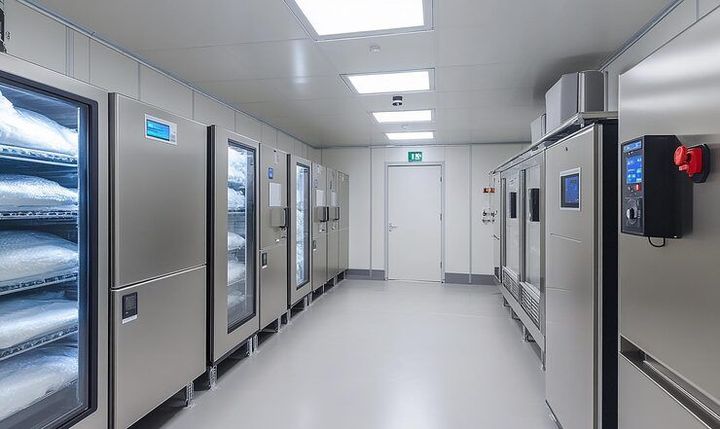
Reliable Cold Rooms Information With Insulation, Temperature Control, and Maintenance Tips
Cold rooms are insulated spaces designed to maintain controlled temperatures for storing products that require protection from heat. They are widely used in food processing, hospitality, healthcare facilities, agriculture, laboratories, and industrial operations.
Unlike ordinary rooms, cold rooms use specialized insulation, refrigeration equipment, and temperature monitoring systems to maintain suitable storage conditions.
The development of cold storage technology is closely connected to the need to preserve perishable goods during transportation, processing, and distribution. Before mechanical refrigeration became widely available, people relied on ice, underground storage areas, and naturally cool environments. Modern refrigeration systems provide more consistent temperature management and allow businesses to store temperature-sensitive materials throughout the year.
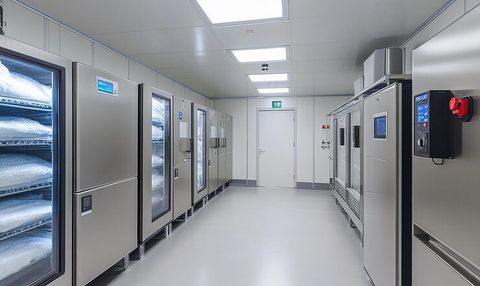
Reliable cold rooms combine several essential components, including insulated walls, airtight doors, refrigeration units, evaporators, condensers, and temperature sensors. Each component contributes to the overall performance of the room. A problem with insulation, airflow, or refrigeration can affect the internal environment and the condition of stored products.
Cold rooms are available in different sizes and configurations. Walk-in cold rooms accommodate large quantities of products, while compact units support smaller storage requirements. Their design depends on the materials being stored, the required temperature range, the frequency of door opening, and the surrounding environmental conditions.
How cold rooms operate
A refrigeration system removes heat from the interior and releases it into the surrounding environment. The evaporator absorbs heat from the cold room, while the compressor and condenser help transfer that heat outside. A control system regulates the refrigeration cycle according to the selected temperature setting.
Insulation slows the movement of heat through walls, ceilings, and floors. Door seals reduce the entry of warm air, while fans distribute cooled air throughout the storage area. Together, these elements help maintain stable conditions and reduce unnecessary strain on refrigeration equipment.
Importance
Reliable cold rooms play an important role in preserving product quality, managing storage conditions, and reducing avoidable losses. Temperature-sensitive goods may deteriorate when exposed to excessive heat, repeated temperature changes, or unsuitable humidity levels. Properly maintained cold storage helps reduce these risks.
Food producers, restaurants, supermarkets, agricultural facilities, laboratories, and healthcare organizations may all depend on controlled-temperature environments. The specific requirements differ according to the materials being stored. Fresh produce, frozen food, dairy products, and certain laboratory materials do not necessarily require the same temperature or humidity conditions.
Insulation and temperature stability
Cold room insulation reduces heat transfer between the internal space and the surrounding environment. Common insulation materials include polyurethane panels, expanded polystyrene, and other materials designed for thermal applications. The appropriate choice depends on the building design, required thermal performance, moisture exposure, and applicable safety requirements.
Poor insulation can cause uneven temperatures, excessive condensation, and longer refrigeration cycles. Damaged door seals and gaps around panel joints can create similar problems. Regular inspection helps identify these weaknesses before they affect storage conditions significantly.
Energy use and operating performance
Refrigeration equipment requires electricity to remove heat continuously or periodically. The amount of energy used depends on several factors, including the room's size, insulation quality, ambient temperature, equipment efficiency, and how often doors are opened.
Practical measures for managing energy use include:
Keeping cold room doors closed when they are not needed.
Checking door seals for cracks, gaps, and deformation.
Maintaining clear airflow around evaporators and condensers.
Avoiding unnecessary refrigeration of products that have not been prepared for cold storage.
Monitoring temperature readings for unusual changes.
Keeping stored materials organized without blocking ventilation paths.
These practices support stable storage conditions while reducing unnecessary equipment operation.
Comparison of cold room types
Cold room type | Common applications | Main consideration |
|---|---|---|
Chilled storage room | Fresh produce, dairy products, prepared foods | Consistent cooling and humidity management |
Freezer room | Frozen food and other suitable frozen materials | Low-temperature insulation and frost control |
Blast chiller | Rapid cooling of suitable prepared foods | Cooling speed and product arrangement |
Blast freezer | Rapid freezing of appropriate products | Air circulation and freezing capacity |
Laboratory cold room | Temperature-sensitive samples and materials | Monitoring accuracy and access control |
The required operating temperature varies by product and application. Storage instructions should come from relevant product guidance and applicable technical requirements rather than from a single temperature setting used for every cold room.
Recent Updates
Cold room design and management continue to evolve as refrigeration technology, monitoring equipment, and energy management systems develop. Current industry trends emphasize improved insulation, more precise temperature control, equipment monitoring, and reduced environmental impact.
Digital temperature monitoring
Digital sensors and connected monitoring systems can record internal temperatures and display readings through control panels or compatible software. Some systems can notify designated personnel when temperatures move outside configured limits.
Temperature records help operators identify recurring problems, such as overnight fluctuations, frequent door openings, or refrigeration equipment that struggles to maintain its settings. However, sensor accuracy, placement, calibration, and reliable power or communication connections remain important.
Refrigeration efficiency and environmental considerations
Refrigeration manufacturers continue to develop systems designed to improve energy performance and reduce the environmental impact of refrigerants. Options vary by equipment type, application, climate, and local requirements.
Modern control systems may adjust compressor operation according to cooling demand. Variable-speed components and improved heat exchangers can also support efficient operation when correctly selected and maintained. Actual performance depends on installation quality, operating conditions, and maintenance practices.
Improved insulation and moisture management
Cold room panels and sealing systems are designed to limit heat transfer and prevent unwanted moisture movement. Properly installed joints, vapor barriers where required, and suitable floor insulation help reduce condensation and frost-related problems.
Moisture management is particularly important in humid environments. Warm, humid air entering a cold room can produce condensation or ice on cold surfaces, potentially affecting flooring, door operation, and equipment performance. Current design practices therefore consider both thermal insulation and moisture control.
Automated alarms and maintenance records
Digital systems increasingly support alarms for temperature deviations, equipment faults, and certain operating abnormalities. Maintenance records can also help technicians compare present conditions with previous inspections and identify repeated faults.
Automation does not eliminate the need for physical inspections. Door damage, blocked drains, unusual noises, refrigerant leaks, and deteriorating insulation may require direct examination by qualified personnel.
Laws or Policies
Cold room requirements depend on the country, the intended use, and the type of products being stored. Food storage, healthcare applications, electrical installations, refrigeration equipment, and workplace safety may each be governed by different rules.
Food safety and storage requirements
Food businesses may need to follow applicable food hygiene rules, temperature-control requirements, sanitation procedures, and recordkeeping practices. These requirements can cover chilled and frozen storage, separation of raw and prepared foods, equipment cleanliness, and procedures for responding to temperature deviations.
Operators should establish temperature limits based on the food category and applicable regulations. A cold room should not be considered compliant simply because its display shows a particular temperature; the reliability of the measurement, storage conditions, and handling procedures also matter.
Refrigeration and environmental rules
Refrigeration equipment may be subject to requirements concerning electrical safety, refrigerant handling, leak prevention, equipment installation, and environmental protection. Certain refrigerants have additional restrictions because of their environmental effects or safety characteristics.
Qualified technicians should handle refrigerant-related work and follow the relevant procedures for the equipment concerned. Building design may also need to account for drainage, ventilation, fire safety, electrical protection, and structural loading.
Monitoring and documentation
Depending on the application, records may include:
Routine temperature readings and alarm events.
Equipment inspection and maintenance history.
Calibration records for monitoring instruments.
Cleaning and sanitation schedules.
Corrective actions following temperature deviations.
Relevant installation and safety documentation.
These records support operational oversight and may help demonstrate compliance during inspections. Requirements differ across jurisdictions, so businesses should consult the rules applicable to their location and industry.
Tools and Resources
Several practical tools help operators monitor cold rooms, plan maintenance, and identify performance issues. The correct combination depends on the equipment and the storage application.
Temperature measurement and monitoring tools
A calibrated digital thermometer provides a direct temperature reading. Data loggers record measurements over time, making it easier to identify fluctuations that a single reading might miss. Fixed monitoring systems can track temperatures continuously and generate alerts when readings exceed configured limits.
Sensor placement matters because temperatures may vary between locations. Measurements near doors, evaporators, ceilings, and heavily loaded shelves can differ. A monitoring plan should reflect the room layout and the products being stored.
Insulation and refrigeration assessment tools
Thermal imaging cameras can help identify areas where heat may be entering through poorly insulated panels, door frames, or joints. The results require careful interpretation because surface temperatures can be influenced by airflow, moisture, and surrounding conditions.
Energy meters and refrigeration system monitoring tools can help track electricity use and equipment performance. Changes in energy consumption may indicate altered operating conditions, but they do not establish a fault on their own. A technician may need to inspect the equipment and compare readings with its normal operating range.
Cold room maintenance checklist
Inspection area | What to check | Typical frequency |
|---|---|---|
Temperature display | Unusual readings and alarms | Daily or continuously |
Door and seals | Gaps, damage, and closing action | Daily or weekly |
Interior and drainage | Cleanliness, water accumulation, and blockages | Weekly or as needed |
Evaporator and airflow | Obstructions, frost, and unusual noise | Weekly or according to equipment guidance |
Condenser area | Dust, ventilation, and visible obstruction | According to manufacturer guidance |
Sensors and controls | Accuracy, calibration, and alarm operation | Scheduled intervals |
Insulation panels | Damaged joints, moisture, and surface changes | Periodically |
Inspection intervals should be adapted to the equipment manufacturer's instructions, operating conditions, and relevant regulations. Maintenance involving electrical systems, refrigerants, or specialized refrigeration components should be handled by qualified personnel.
FAQs
What temperature should a cold room maintain?
The required temperature depends on the stored material. Chilled food, frozen products, laboratory samples, and other temperature-sensitive items have different requirements. Operators should follow applicable storage guidance and verify actual conditions with suitable monitoring equipment.
How does cold room insulation improve performance?
Cold room insulation slows heat transfer through walls, ceilings, and floors. Effective insulation helps maintain internal temperatures, reduces the workload on refrigeration equipment, and limits condensation when the surrounding construction and moisture barriers are properly designed.
What are common cold room maintenance problems?
Common problems include damaged door seals, blocked airflow, excessive frost, dirty condenser surfaces, inaccurate sensors, drainage issues, and fluctuating temperatures. Regular inspections and documented maintenance help identify these issues before they cause greater disruption.
How can cold room energy consumption be reduced?
Energy use can be managed through sound insulation, effective door seals, appropriate temperature settings, unobstructed airflow, and routine equipment maintenance. Monitoring electricity consumption can also help identify unusual changes that require investigation.
How often should cold room temperature be checked?
The frequency depends on the application and applicable rules. Temperature-sensitive food or laboratory storage may require continuous monitoring or frequent documented checks. Sensors should be calibrated and verified according to an appropriate maintenance schedule.
Conclusion
Reliable cold rooms depend on suitable insulation, accurate temperature control, effective airflow, and regular maintenance. Digital monitoring and improved refrigeration technology can help operators identify temperature changes and manage equipment performance. Storage conditions, inspection procedures, and documentation should reflect the products involved and the applicable requirements. Consistent attention to these factors supports product quality, operational reliability, and responsible energy use.