Electronic Waste Disposal Guide: Types, Processes, Recycling Methods and Safety Measures
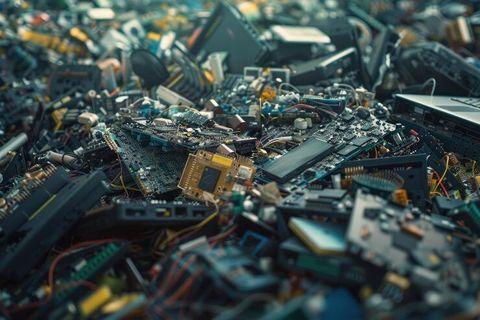
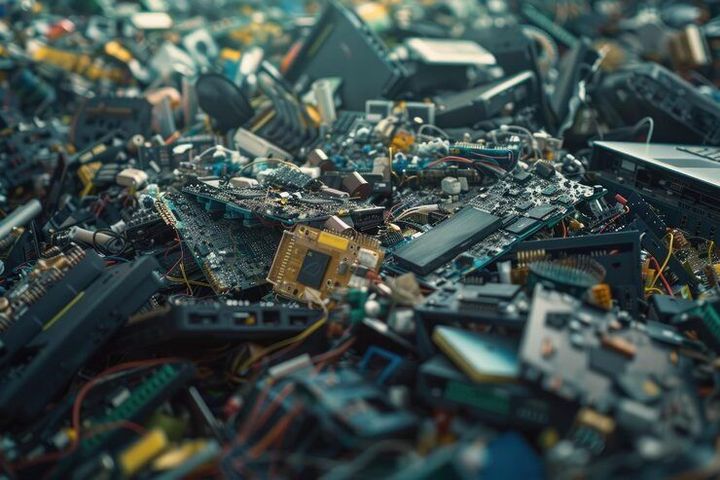
Electronic waste disposal refers to the collection, handling, reuse, recycling, and safe treatment of discarded electrical and electronic equipment. Often called e-waste, this material includes old computers, mobile phones, televisions, refrigerators, batteries, printers, and other devices that people no longer use. Electronic waste is generated when equipment becomes damaged, outdated, difficult to repair, or unsuitable for its original purpose.
Context
Electronic waste disposal refers to the collection, handling, reuse, recycling, and safe treatment of discarded electrical and electronic equipment. Often called e-waste, this material includes old computers, mobile phones, televisions, refrigerators, batteries, printers, and other devices that people no longer use. Electronic waste is generated when equipment becomes damaged, outdated, difficult to repair, or unsuitable for its original purpose.
The growth of electronic waste is closely connected to the increasing use of digital technology, household appliances, and industrial electronics. As new devices enter homes, offices, schools, and factories, older equipment gradually reaches the end of its useful life. Electronic waste disposal provides a structured way to manage these discarded products while recovering useful materials and reducing environmental harm.
Common Types of Electronic Waste
Electronic waste contains many different products, and each category may require a different handling or recycling method.
Computers and accessories: Desktop computers, laptops, keyboards, monitors, cables, and printers.
Mobile and communication devices: Smartphones, tablets, routers, chargers, and telephone equipment.
Household appliances: Refrigerators, washing machines, microwave ovens, air conditioners, and electric cooking equipment.
Entertainment electronics: Televisions, speakers, gaming equipment, cameras, and audio systems.
Lighting equipment: Certain fluorescent lamps, LED lighting units, and related electrical components.
Batteries and power equipment: Rechargeable batteries, battery packs, uninterruptible power supply units, and some electronic power systems.
Different products contain different combinations of metals, plastics, glass, electronic components, and potentially hazardous substances. Therefore, electronic waste should not automatically be treated like ordinary household rubbish.
Importance
Electronic waste disposal matters because discarded electronics can contain valuable materials as well as substances that require careful handling. Copper, aluminium, iron, and selected precious metals may be recovered from suitable equipment. However, some devices also contain lead, mercury, flame-retardant chemicals, refrigerants, or battery materials that can create risks if handled improperly.
When electronic waste is dumped, burned, or dismantled without suitable controls, pollutants may enter soil, air, and water. Informal processing can expose workers and nearby communities to harmful dust, fumes, sharp components, and chemical residues. Responsible collection and treatment help reduce these risks while supporting the recovery of materials for further manufacturing.
Environmental and Household Concerns
Electronic waste affects households, businesses, educational institutions, public authorities, and recycling workers. Personal devices may also contain stored photographs, financial records, account credentials, and other private information, creating a separate data-security concern during disposal.
Several practical challenges make electronic waste management important:
Environmental protection: Preventing discarded components and hazardous substances from entering unsuitable disposal sites.
Resource recovery: Recovering reusable metals, plastics, and components where technically and economically feasible.
Worker safety: Reducing exposure to dangerous materials, sharp edges, dust, and battery-related hazards.
Data protection: Removing personal information from devices before they leave the owner's control.
Waste reduction: Extending equipment life through repair, reuse, refurbishment, or component recovery when appropriate.
Electronic Waste Categories and Handling
The following table summarizes common categories and their main handling considerations.
| E-waste category | Potential concern | General handling approach |
|---|---|---|
| Computers and phones | Personal data, circuit boards, batteries | Secure data removal and authorized collection |
| Refrigerators and air conditioners | Refrigerants, compressors, electrical components | Controlled recovery and specialized processing |
| Batteries and power packs | Heat, leakage, fire, or chemical exposure | Separate collection and battery-appropriate handling |
| Televisions and monitors | Glass, circuit boards, and some hazardous substances | Equipment-specific dismantling and treatment |
| Fluorescent lamps | Mercury in certain lamp types | Protective handling and designated collection |
| Cables and electrical parts | Mixed metals, insulation, and sharp edges | Controlled sorting and material recovery |
The exact hazards depend on the equipment's age, design, condition, and composition. This table provides general guidance rather than a complete technical classification.
Recent Updates
Electronic waste management has increasingly focused on formal recycling systems, producer responsibility, improved material recovery, and safer collection practices. From 2024 through 2026, policy discussions and industry developments have continued to emphasize circular economy approaches, in which products and materials remain in use for longer instead of moving directly from consumption to disposal.
Recycling Technology and Circular Economy
Modern electronic waste processing may involve automated sorting, mechanical separation, material identification, and specialized recovery techniques. Some facilities use sensors and advanced sorting systems to distinguish materials, while selected recycling processes recover metals from circuit boards and other components. The methods used depend on the material, equipment type, facility capability, and environmental controls.
Repair, refurbishment, and reuse are also important parts of electronic waste prevention. A working device may remain useful to another person or organization, provided it is safe, functional, and suitable for its intended purpose. Extending equipment life can delay disposal, although damaged batteries and unsafe electrical components require particular attention.
Growing Attention to Battery Safety
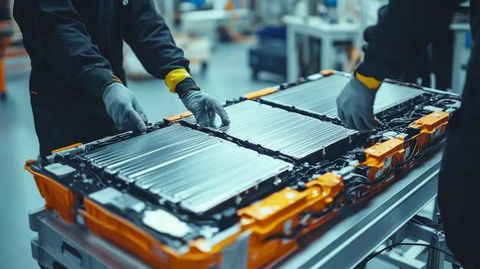
Rechargeable lithium-ion batteries create additional challenges because damaged, crushed, overheated, or improperly handled batteries can ignite. Batteries embedded in phones, laptops, power tools, and other devices should be managed according to the receiving collection facility's instructions.
Electronic waste programs are also paying greater attention to tracking collected materials and preventing them from entering unsafe processing channels. Digital records, documented collection procedures, and facility audits can help organizations monitor waste movement. The availability of these measures varies between regions and recycling operators.
Laws or Policies
Electronic waste disposal is governed by national and local rules that determine how electronic products are collected, stored, transported, recycled, and treated. Requirements differ by country and may depend on the waste category, the person or organization generating it, and the activities performed by the receiving facility.
Electronic Waste Rules in India
India's E-Waste (Management) Rules, 2022, established an extended producer responsibility framework for covered electronic equipment. These rules came into effect in April 2023 and have subsequently been subject to amendments and related regulatory developments. The framework places defined responsibilities on covered producers, manufacturers, refurbishers, and recyclers.
Extended producer responsibility means that producers have specified obligations relating to the management of electronic waste associated with the products covered by the rules. The framework includes registration and reporting requirements, recycling obligations, and the use of an electronic system for managing relevant records and certificates. Specific responsibilities depend on the category of stakeholder and the rules currently in force.
The Central Pollution Control Board (CPCB) plays an important role in administering the national framework, including maintaining relevant online systems and publishing guidance. State Pollution Control Boards and Pollution Control Committees also have regulatory functions within their respective jurisdictions.
Collection, Transport, and Compliance
Businesses that generate electronic waste should determine which requirements apply to their activities and whether authorized collection or recycling arrangements are necessary. Individuals can check local collection programs and the receiving facility's accepted waste categories before handing over equipment.
Not every electrical product is covered by exactly the same regulatory provisions. Batteries, certain hazardous wastes, and other specialized categories may be subject to separate rules. Organizations should consult current official guidance rather than assuming that one disposal procedure applies to every electronic product.
Tools and Resources
Electronic waste disposal resources help individuals and organizations identify suitable collection routes, understand regulatory requirements, and maintain disposal records. The correct resource depends on the equipment type, location, and whether the waste comes from a household or a commercial operation.
Official Websites and Collection Resources
The Central Pollution Control Board website, cpcb.nic.in, provides information on environmental regulation and electronic waste management in India. Its official electronic waste resources can help readers locate applicable rules, guidance, and relevant regulatory information.
State Pollution Control Board websites may provide local information about authorized facilities and environmental requirements. Municipal authorities, designated collection centers, and manufacturer take-back arrangements may also identify accepted products and collection procedures. Acceptance conditions should be confirmed before transporting equipment.
Digital Tools and Recordkeeping
A simple electronic waste inventory spreadsheet can help households, schools, and businesses record discarded equipment. Useful fields include the item type, quantity, condition, storage location, collection date, receiving organization, and available transfer documentation.
For devices containing personal data, manufacturers' reset instructions and official data-erasure tools can help prepare equipment for transfer. A factory reset may not address every storage or account issue, so the appropriate procedure depends on the device and its storage technology.
Safety Measures Before Disposal
Practical precautions can reduce risks while electronics await collection:
Protect personal data: Back up necessary files, sign out of accounts, remove accessible storage cards, and erase data using an appropriate method.
Keep batteries safe: Do not puncture, crush, or dismantle battery packs. Follow local instructions for damaged or swollen batteries.
Avoid unsafe dismantling: Do not burn cables, break electronic components, or use household methods to extract metals.
Separate special items: Keep batteries, lamps, and equipment containing refrigerants apart when collection instructions require separate handling.
Use appropriate collection channels: Confirm that the receiving facility accepts the equipment and handles it through suitable processes.
Damaged batteries may require special arrangements rather than ordinary drop-off. If a battery is hot, smoking, or actively burning, avoid handling it and contact local emergency responders.
FAQs
What is electronic waste disposal?
Electronic waste disposal is the organized handling of discarded electrical and electronic equipment through collection, reuse, recycling, and appropriate treatment. Its purpose is to recover useful materials and manage environmental and safety risks.
Which items are included in electronic waste recycling?
Common items include computers, mobile phones, televisions, printers, cables, household appliances, and selected lighting equipment. Batteries and specialized electrical products may require separate collection procedures.
How should electronic waste be disposed of safely in India?
Households can check municipal collection arrangements, designated collection centers, and relevant producer take-back programs. Businesses should review applicable requirements under India's E-Waste (Management) Rules and use appropriate authorized channels.
Why is electronic waste recycling important?
Recycling can recover useful materials and reduce the amount of discarded equipment sent to unsuitable disposal locations. Proper treatment also helps manage hazardous components and reduce exposure risks.
How can personal data be protected before electronic waste disposal?
Back up required files, remove accounts where appropriate, and use the manufacturer's recommended data-erasure procedure. Devices containing sensitive information may need additional secure handling before transfer.
Conclusion
Electronic waste disposal involves collecting, sorting, reusing, recycling, and treating discarded electronic products according to their materials and potential hazards. Safe handling helps protect people and the environment while allowing suitable materials to be recovered. In India, electronic waste management is shaped by national rules, producer responsibilities, and regulatory guidance. Appropriate collection channels, data protection, and equipment-specific safety measures are important parts of responsible disposal.