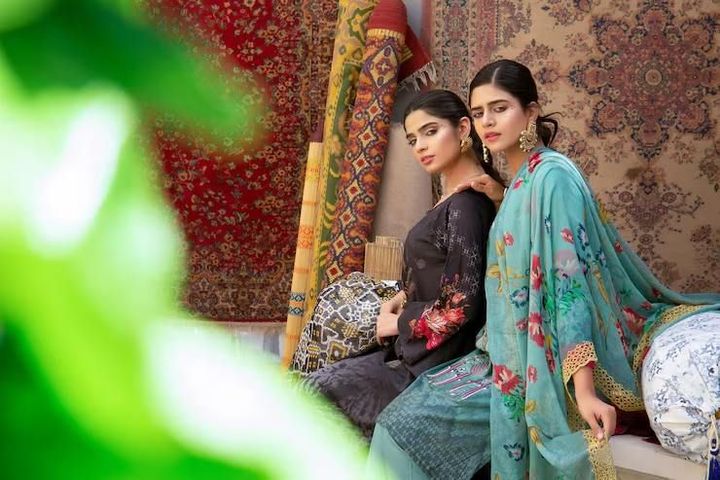
Women’s Ethnic Wear Guide: Traditional Styles, Fabrics, Patterns, Colors and Styling Ideas
Women’s ethnic wear refers to clothing connected with the cultural traditions of South Asia, especially India. It includes garments such as sarees, salwar kameez, kurta sets, lehengas, shararas, and regional drapes. These clothes developed through local weaving practices, climate, customs, and changing forms of dress. Today, women’s ethnic wear includes both long-established forms and contemporary interpretations that retain familiar fabrics, patterns, silhouettes, or methods of draping.
Context
Origins and cultural background
Traditional clothing in India varies widely by region. A saree may be draped differently in Maharashtra, Bengal, Kerala, Gujarat, or Tamil Nadu, while regional garments such as phulkari textiles, Banarasi weaves, Kanchipuram silk, and bandhani reflect distinct craft traditions. The salwar kameez has also developed into many regional and contemporary forms.
Textiles are an important part of this history. Cotton, silk, wool, linen, and blended fabrics have been used according to local climate, weaving methods, and social customs. Handloom traditions often involve specialized weaving, dyeing, printing, or embroidery techniques passed through generations.
Common forms of ethnic wear
The main categories include sarees, salwar kameez, kurta sets, lehengas, anarkalis, shararas, ghararas, and dupattas. Each garment has its own structure and can vary in length, fabric, pattern, sleeve design, neckline, and method of wearing.
Ethnic wear may be associated with festivals, weddings, religious occasions, family gatherings, cultural events, or everyday clothing. The same garment can also be adapted through fabric, color, layering, and accessories for different settings.
Importance
Cultural identity and everyday clothing
Women’s ethnic wear matters because clothing can reflect regional identity, family traditions, craft knowledge, and cultural practices. Wearing a particular textile or drape can connect an individual with a local history while allowing personal choices in color, pattern, and styling.
Ethnic clothing also has practical relevance. Lightweight cotton garments can suit warm weather, while silk, wool, and layered fabrics may be used in cooler settings or ceremonial contexts. The choice often depends on comfort, occasion, climate, movement, and maintenance requirements.
Understanding fabrics and construction
Knowing basic fabric characteristics can make ethnic wear easier to understand. Cotton is generally breathable and commonly used for daily clothing. Silk is associated with many ceremonial textiles and can have different textures depending on its origin and weaving method. Linen has a natural texture and is used in some contemporary ethnic garments.
Embroidery, block printing, weaving, dyeing, and surface ornamentation can significantly change the appearance and care needs of a garment. Some textiles require gentler washing or specialized storage, so care instructions should be considered alongside the visual design.
Choosing colors and patterns
Color preferences can be influenced by regional customs, festivals, seasons, and personal taste. Red, yellow, green, blue, pink, white, and earth tones appear across many Indian textile traditions, but their cultural meanings can vary between communities.
Patterns may include florals, geometric forms, paisley motifs, checks, stripes, dots, woven borders, and regional designs. The scale of a pattern can affect the overall appearance of a garment, while borders and repeated motifs can emphasize its structure.
Recent Updates
Contemporary styling trends
From 2024 through 2026, ethnic wear has continued to combine traditional elements with contemporary silhouettes. Kurta sets, relaxed saree drapes, coordinated separates, shorter jackets, and layered dupattas are commonly seen in modern styling discussions. These approaches allow familiar textiles and motifs to appear in clothing with simpler shapes.
Digital fashion content has also changed how people learn about ethnic wear. Short videos, styling guides, textile explainers, and virtual catalogs make it easier to compare draping methods, fabric types, color combinations, and regional techniques. Online information has expanded access to visual references, although descriptions of textile origin should still be checked against reliable sources.
Textile and craft awareness
There is also greater public discussion around handloom, regional weaving, natural fibers, traditional dyeing, and craft preservation. Government handloom programs, museums, craft organizations, and textile research institutions continue to document and support Indian textile traditions.
Contemporary designers and clothing makers often reinterpret traditional patterns through different cuts, fabric combinations, and garment structures. This creates a wider range of ethnic clothing while retaining recognizable cultural elements.
Laws or Policies
Textile labeling and consumer information in India
In India, textile products are subject to labeling and consumer information requirements. The Bureau of Indian Standards develops standards relevant to textiles, while the Ministry of Textiles oversees various programs connected with handloom and textile development.
The Handloom Mark and India Handloom initiatives are associated with identification and promotion of handwoven textiles. Product information can help readers distinguish between handloom-related claims and general descriptions, although the exact labeling requirements depend on the product and applicable rules.
Geographic indications and craft identity
Some Indian textiles and crafts have protection through the Geographical Indications framework. A geographical indication can identify goods associated with a particular region and recognized qualities, reputation, or characteristics. Examples connected with Indian textiles include certain regional sarees, woven fabrics, and traditional crafts.
Rules can change, and textile labeling may vary by product category. For specific legal or compliance questions, readers should consult current information from relevant Indian government authorities rather than relying only on general fashion content.
Tools and Resources
Textile and styling references
Several resources can help readers understand women’s ethnic wear. The Ministry of Textiles provides information about Indian textile programs, handloom initiatives, and craft-related activities. The Office of the Development Commissioner for Handlooms also provides material about handloom traditions and related programs.
Museums and textile institutions can be useful for learning about historic garments, weaving methods, motifs, and regional clothing. Digital textile archives and educational catalogs can also help readers compare patterns and fabrics across regions.
Simple planning tools
A basic clothing comparison table can help organize information before selecting an outfit for a particular setting.
| Garment | Common fabrics | Typical use | Styling elements |
|---|---|---|---|
| Saree | Cotton, silk, linen, blends | Daily, festive, formal | Blouse, drape, jewelry |
| Kurta set | Cotton, rayon, silk, blends | Daily, work, gatherings | Dupatta, footwear |
| Salwar kameez | Cotton, silk, blends | Daily and festive | Dupatta, accessories |
| Lehenga | Silk, cotton, blends, embroidered fabrics | Weddings and celebrations | Choli, dupatta |
| Anarkali | Cotton, georgette, silk, blends | Festive and formal | Dupatta, jewelry |
| Sharara | Cotton, silk, georgette, blends | Festive and ceremonial | Short kurta, dupatta |
For practical styling, readers can compare fabric weight, garment length, sleeve shape, pattern scale, color combinations, and the level of surface decoration. These factors can help explain why two garments with a similar traditional design may have very different appearances and maintenance needs.
FAQs
What are common types of women’s ethnic wear?
Common types include sarees, salwar kameez, kurta sets, lehengas, anarkalis, shararas, ghararas, and regional dresses. Their designs vary according to region, fabric, occasion, and personal styling.
Which fabrics are commonly used in women’s ethnic wear?
Cotton, silk, linen, wool, rayon, georgette, and blended fabrics are commonly seen. Traditional textiles may also use specialized weaving or dyeing methods that give them distinctive textures and patterns.
How do I choose colors for traditional styles?
Color choices can be based on personal preference, regional traditions, season, occasion, and the overall combination of garments. Neutral shades can create a restrained appearance, while contrasting colors can make borders or patterns more noticeable.
What are common patterns in women’s ethnic wear?
Floral motifs, paisley, geometric designs, stripes, checks, dots, woven borders, and regional motifs are widely used. Pattern appearance depends on the weaving, printing, embroidery, dyeing, and scale of the design.
How can traditional styles be adapted for modern clothing?
Traditional elements can be combined with simpler silhouettes, coordinated separates, lighter fabrics, contemporary blouses, shorter jackets, or different draping methods. The result can retain recognizable cultural details while using a modern garment structure.
Conclusion
Women’s ethnic wear includes a wide range of garments shaped by regional history, textile traditions, climate, and cultural practices. Sarees, kurta sets, salwar kameez, lehengas, and related garments can differ substantially in fabric, pattern, color, construction, and styling. Recent clothing trends have brought traditional textiles and motifs into more varied contemporary silhouettes. Understanding these differences provides useful context for appreciating the cultural and practical features of ethnic clothing.